
Tubeless vs tubed tyres: which is right for you?
Tubeless offers better puncture protection and ride feel, but takes more setup care. Tubed is simpler. Here's when each makes sense.
Tubeless tyres have become standard on most new road and gravel bikes. They run sealant inside the tyre that seals small punctures on the fly, and can run lower pressures for more comfort and grip without pinch flats. The trade-off is more involved setup and ongoing sealant maintenance.
This is a general overview. Specific tyre, rim, and sealant compatibility varies — check the manufacturer's recommendations.
At a glance
| Tubeless | Tubed (clincher) | |
|---|---|---|
| Puncture resistance | Better (small holes seal automatically) | Lower (any puncture means a flat) |
| Ride feel at low pressure | Better (no pinch flats) | Limited (pinch flats with low pressure) |
| Setup | Requires tubeless rim + tyre + sealant | Easy, universal |
| Mid-ride flat repair | Plug or insert tube | Patch or replace tube |
| Ongoing maintenance | Sealant top-up every few months | None |
| Weight | Slightly lower (no tube) | Slightly higher |
| Cost | Higher upfront (sealant, tape, valve) | Lower |
Where tubeless really shines
- Off-road / gravel. Pinch-flat protection at lower pressures is a big deal.
- Long-distance road. Avoiding the small puncture stops adds up.
- Wide tyres. The bigger the tyre, the more pressure sensitivity matters.
Where tubed is fine
- Casual riding where the puncture rate is already low.
- Race wheels you don't ride often.
- Older rims / tyres that aren't tubeless-ready (or only marginally so).
Setup gotchas
- Rim and tyre must be tubeless-ready. Mixing tubeless tyres with non-tubeless rims (or vice versa) is unreliable and can be dangerous.
- Use the right sealant for the conditions and tyre material.
- Check sealant level every few months — sealant dries out, especially in hot conditions.
- Be ready for setup hassle. Some tyre/rim combos seat first try; others need a compressor.
Common mistakes
- Underestimating sealant top-up. A "set and forget" tubeless setup will eventually flat with no sealant left.
- Using tubeless valves that are too short for the rim depth.
- Ignoring the tyre's pressure recommendations. Tubeless can run lower, but there are still limits.
Browse tyres or bring your wheels in for a tubeless setup.
Shop the products mentioned
View all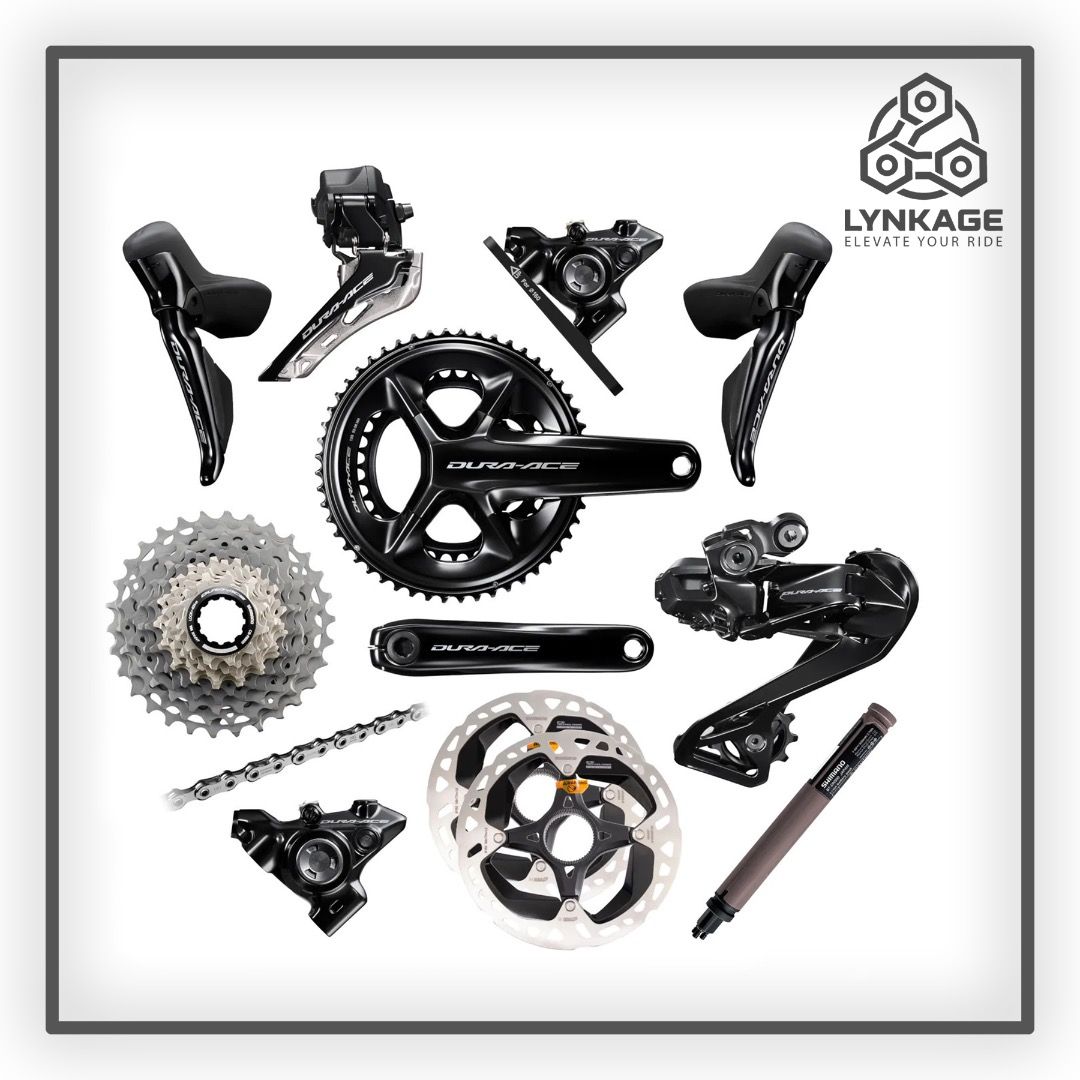
Shimano
Shimano Dura Ace R9270 di2 12 speed groupset
groupsets
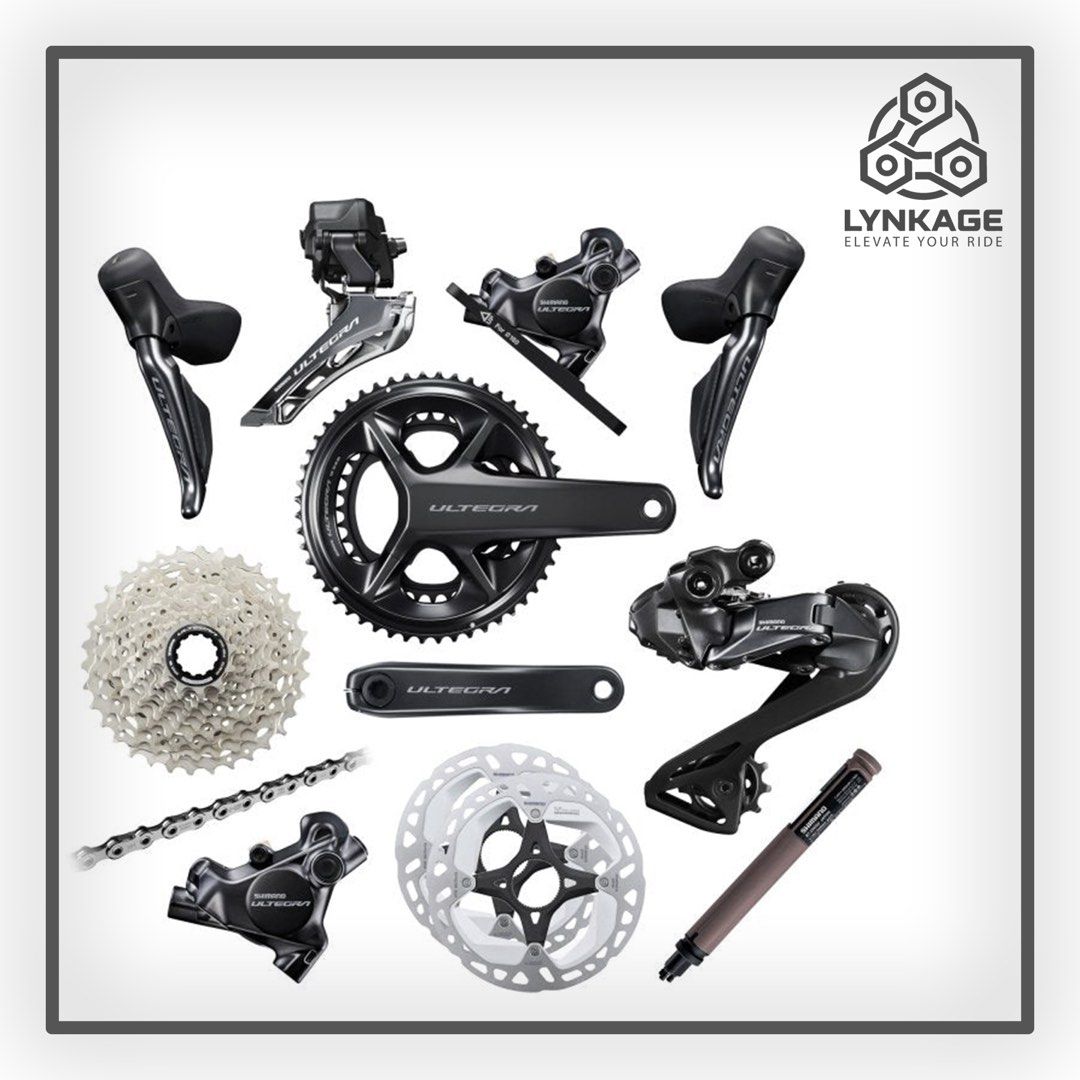
Shimano
Shimano Ultegra R8170 12 speed di2 groupset
groupsets
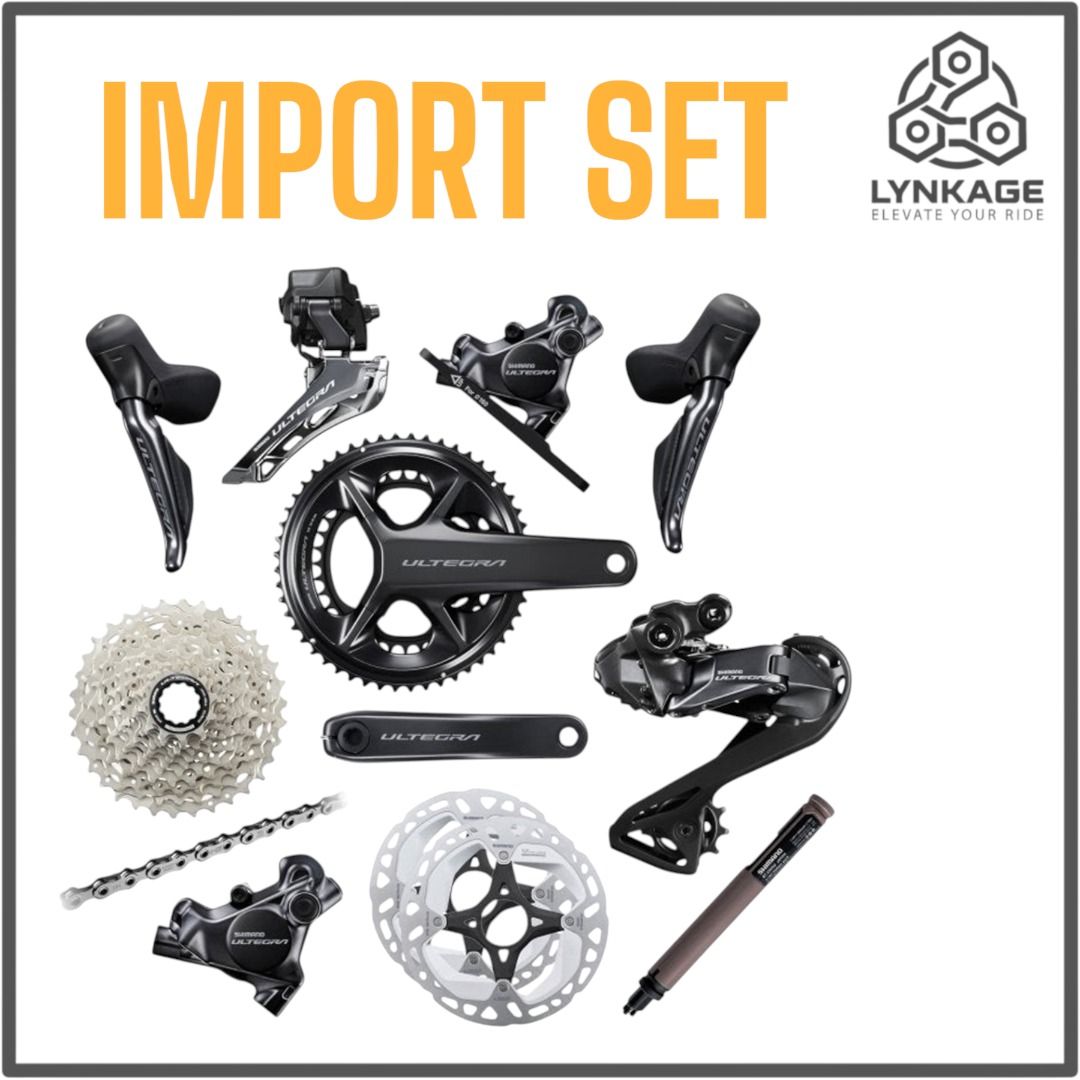
Shimano
Shimano Ultegra R8170 12 speed di2 groupset
groupsets
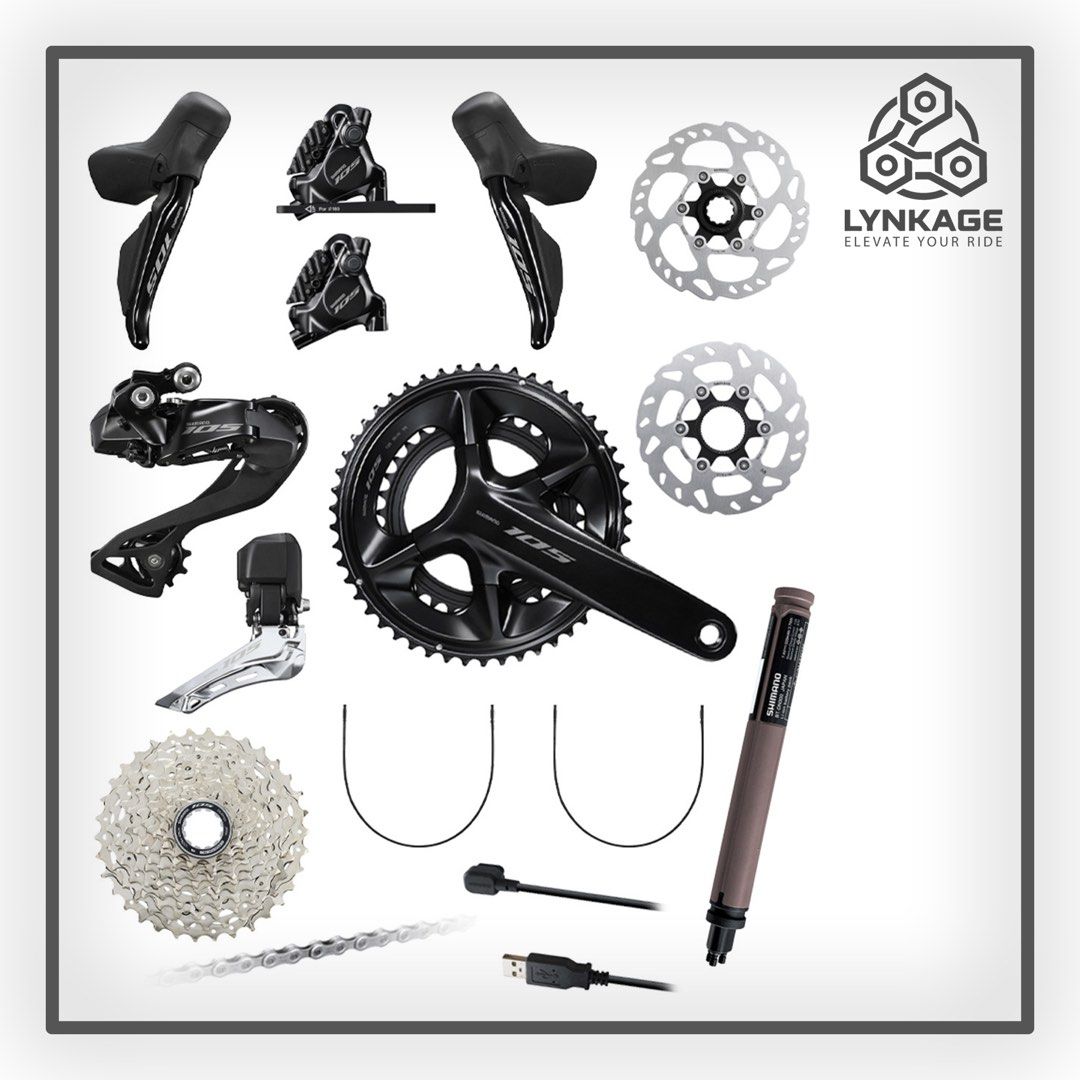
Shimano
Shimano 105 Di2 R7170 12 speed Groupset
groupsets
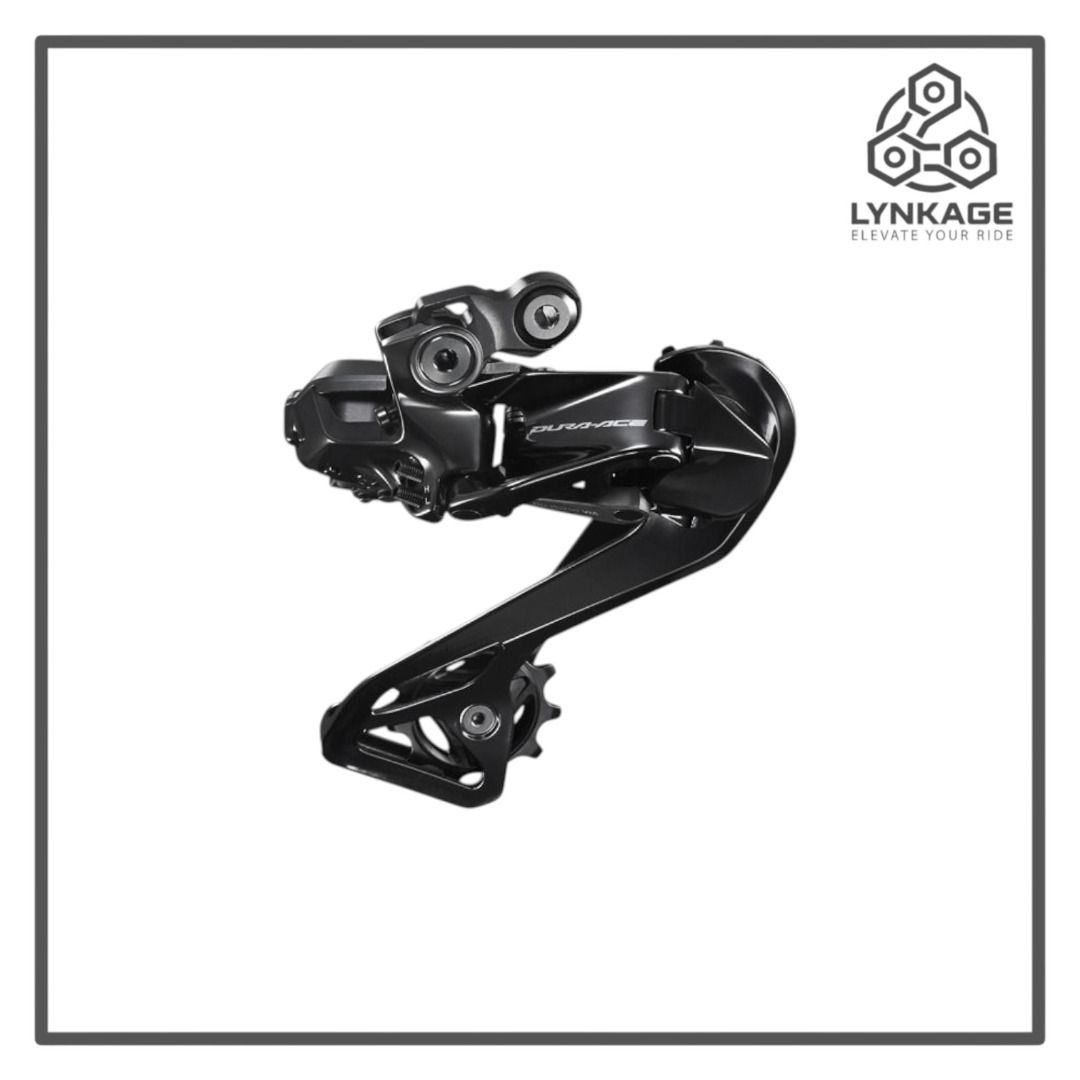
Shimano
Shimano Dura Ace R9270 Rear Derailleur RD
derailleurs
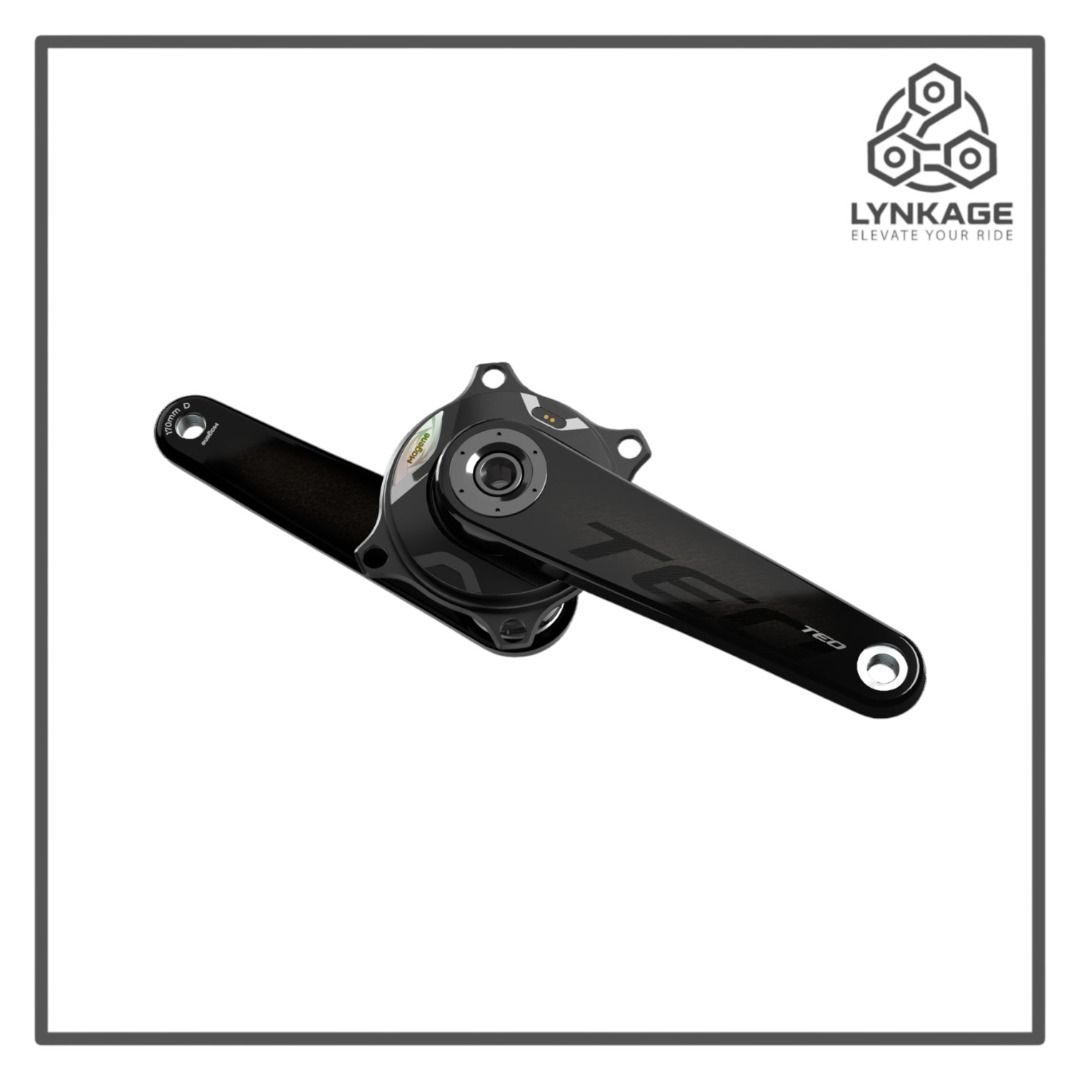
Magene
Magene TEO P515 Carbon Powermeter Crankset
cranksets
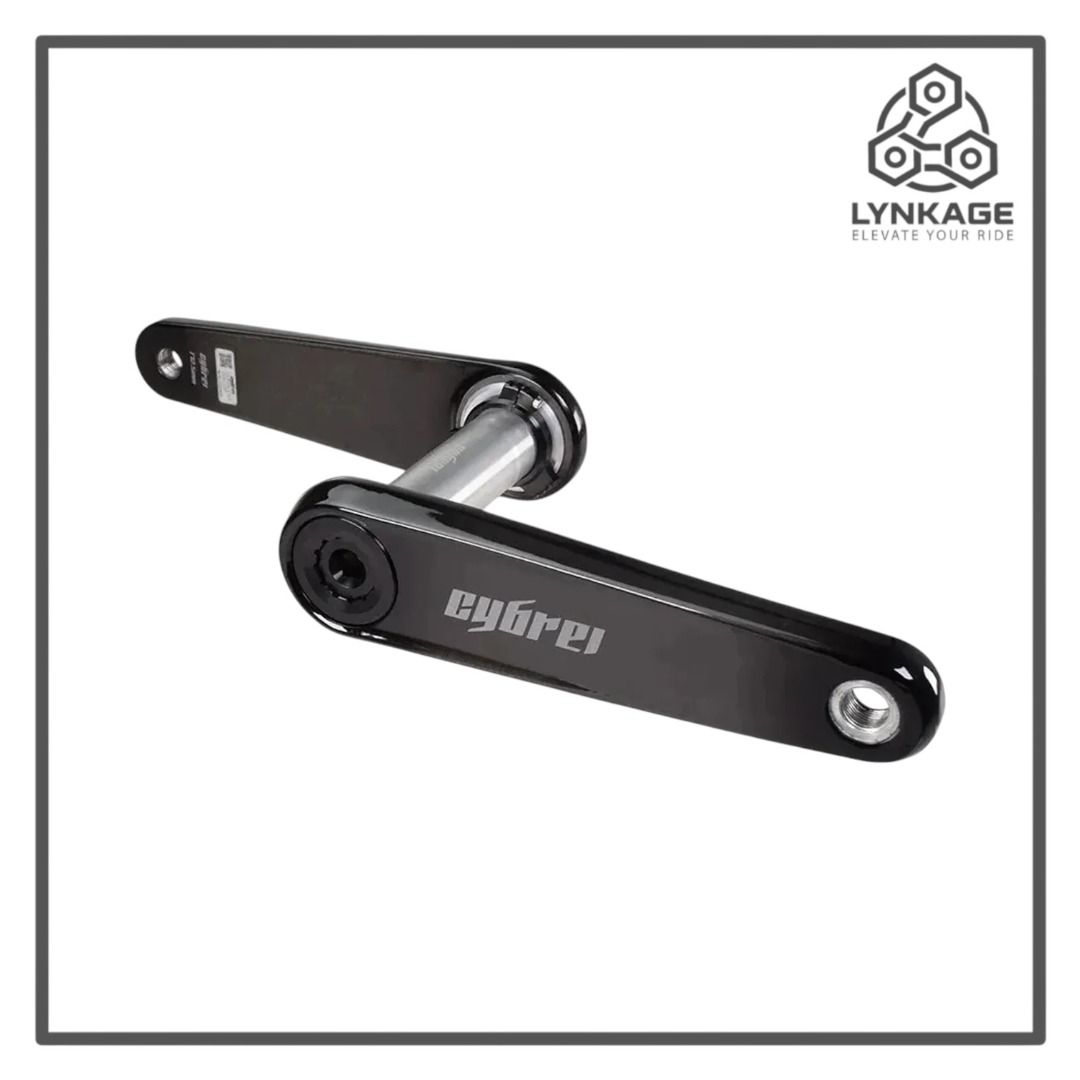
CYBREI
Cybrei GP-3 Carbon Crankarm Assembly
cranksets
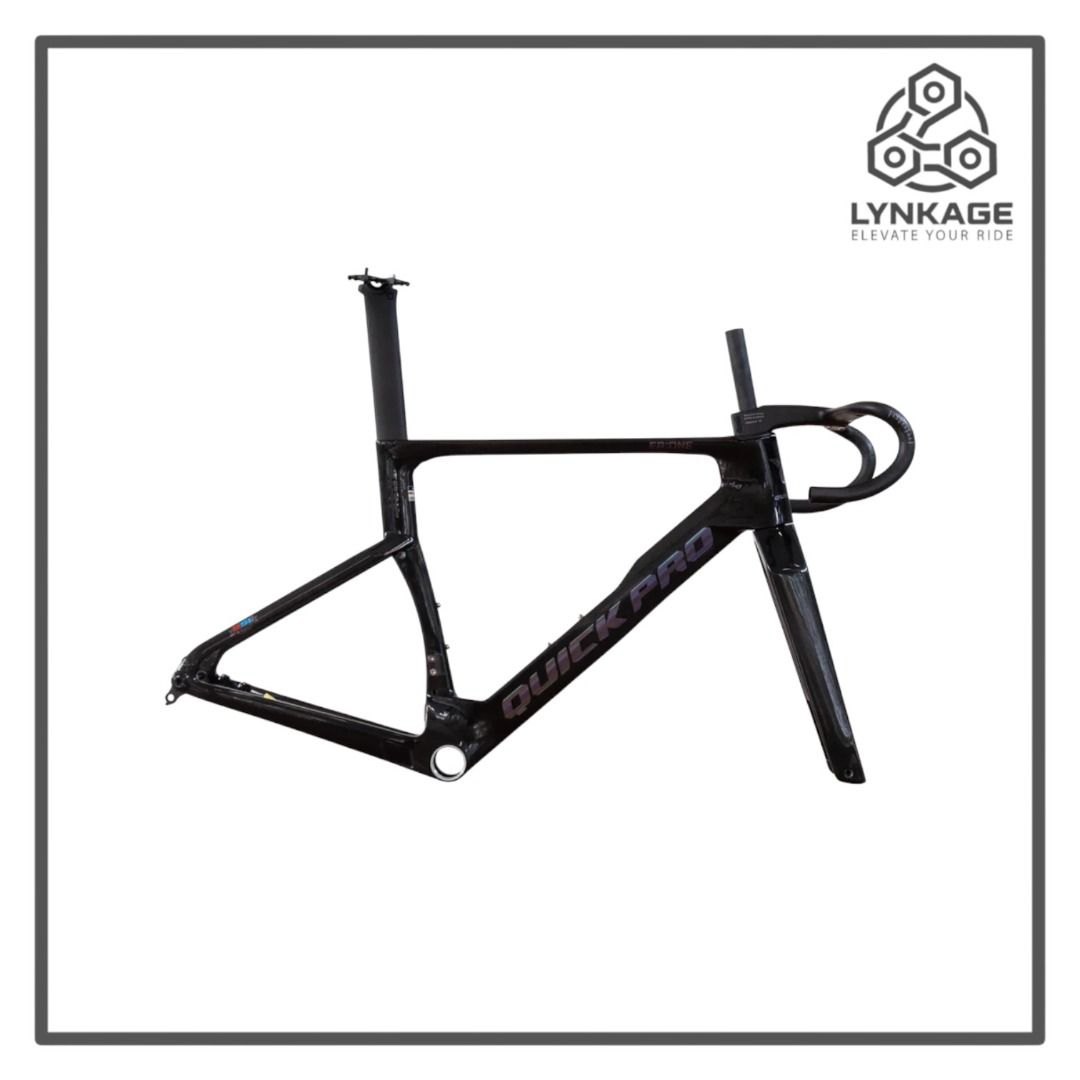
Quickpro
Quickpro ER:One Carbon Aero Road Frameset
road-frames
Related guides
Shimano vs SRAM: which groupset is right for you?
Both make excellent road, gravel, and MTB groupsets. The right choice depends on shifting feel, ecosystem, and budget — not raw performance.
Di2 vs eTap: electronic shifting compared
Shimano Di2 and SRAM eTap (AXS) both shift electronically but take different approaches. Here's what to weigh.
11-speed vs 12-speed drivetrains: is the upgrade worth it?
Going from 11- to 12-speed gives you more gear range or smaller steps, but it means new wheels, cassette, chain, and derailleur. Here's how to weigh it.
Carbon vs alloy frames: which is right for you?
Carbon is light and tunable; alloy is robust and value-friendly. Both make excellent frames — the right choice depends on use and budget.