
Di2 vs eTap: electronic shifting compared
Shimano Di2 and SRAM eTap (AXS) both shift electronically but take different approaches. Here's what to weigh.
Both Shimano Di2 and SRAM eTap/AXS replace cables with electronic actuation. The shifting is more consistent, requires less maintenance, and can integrate with cycling computers. But they differ in architecture in ways that matter day to day.
This is a general overview. Both systems evolve quickly — refer to current manuals for definitive specs.
At a glance
| Shimano Di2 | SRAM eTap/AXS | |
|---|---|---|
| Wiring | Wired (now semi-wireless on newer gen) | Fully wireless |
| Battery | Single internal seatpost battery | Per-derailleur batteries |
| Shift logic | Standard left-front, right-rear | Double-tap (both shifters together = front shift) |
| Charging | Cable to seatpost battery | Swap and charge derailleur batteries |
| Customisation | E-Tube app | AXS app (more configurable) |
| Multi-bike battery sharing | No | Yes (swap batteries between bikes) |
How they feel different
- Di2 — crisp, mechanical-style "click" at each shift. Familiar logic.
- eTap/AXS — softer click, takes some adjustment but quickly intuitive. Double-tap logic eliminates the need to remember which side does what.
Maintenance differences
- Di2 — single battery, very long charge intervals. Wired connections are robust but cable replacement requires removal.
- AXS — per-derailleur batteries are quick to swap. Wireless means no cable issues, but you need to keep multiple batteries charged.
Cost considerations
- Initial cost — both are premium-tier systems.
- Service — both have lower long-term wear costs than cable systems (no cables to stretch or replace).
- Battery replacement over 5+ years is a small recurring cost.
How to choose
- Want familiar shifting feel + single-battery simplicity? Di2.
- Want fully wireless install + the most configurable system? AXS.
- Multiple bikes? AXS has the edge with battery sharing.
Common mistakes
- Forgetting to charge. Both systems will warn you, but plan ahead for long rides.
- Overlooking compatibility with existing components when going wireless — sometimes a fresh build is more cost-effective than a partial switch.
Browse electronic groupsets or get in touch for help with an upgrade path.
Shop the products mentioned
View all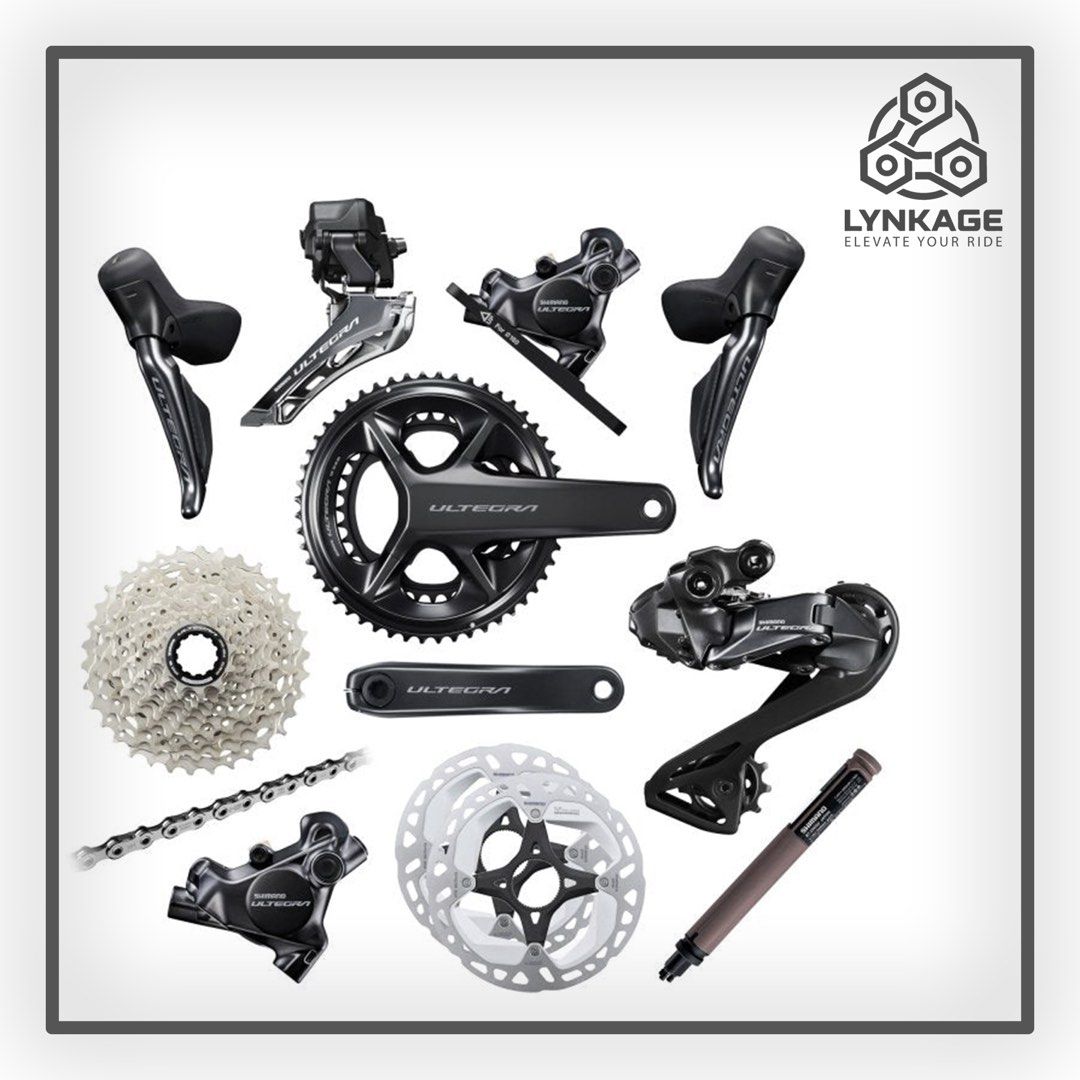
Shimano
Shimano Ultegra R8170 12 speed di2 groupset
groupsets
Shimano
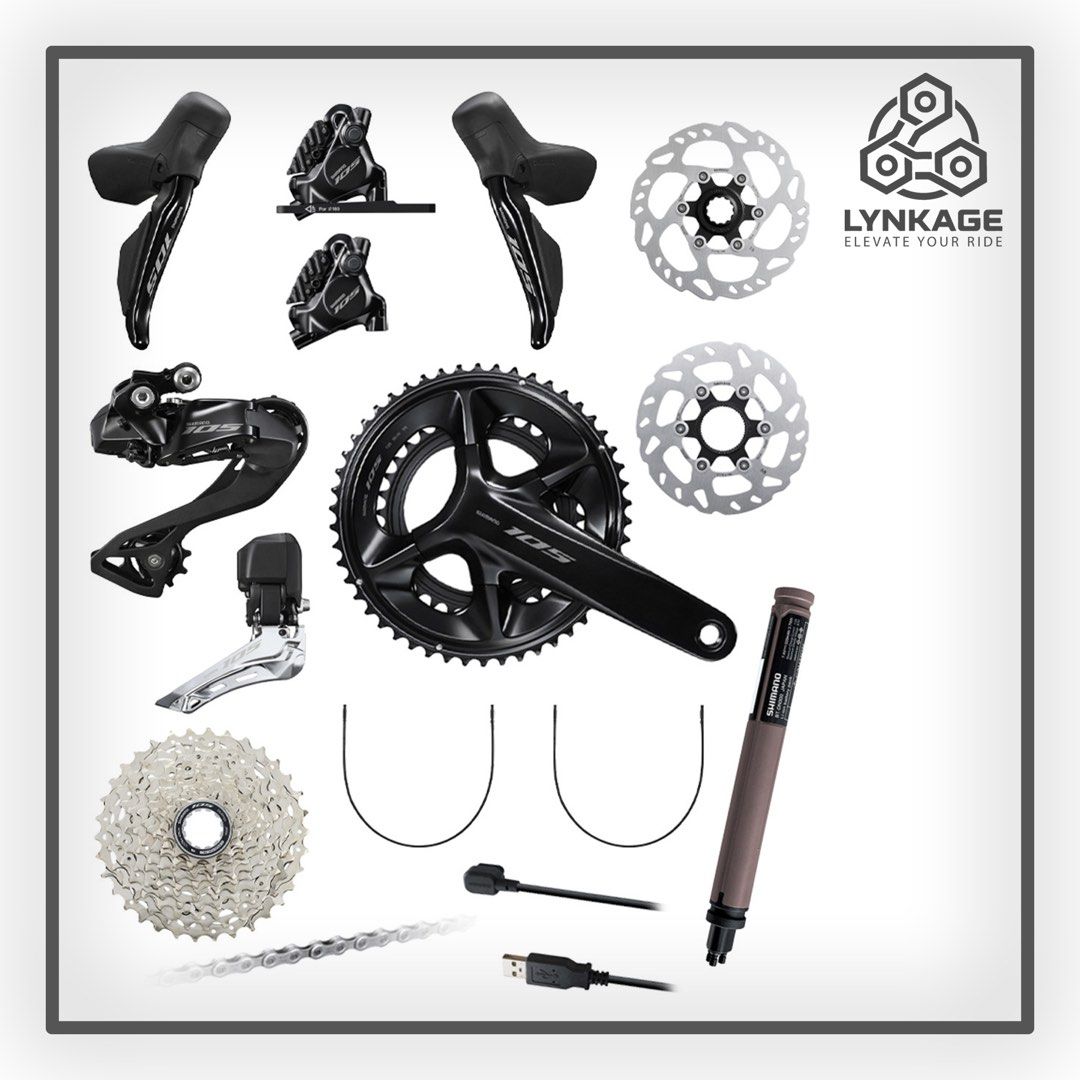
Shimano 105 Di2 R7170 12 speed Groupset
groupsets

Shimano
Tripeak Jetstream Pro Ceramic Pulley Kit 12T/18T (Shimano 11speeds / 12speeds)
accessories
Shimano
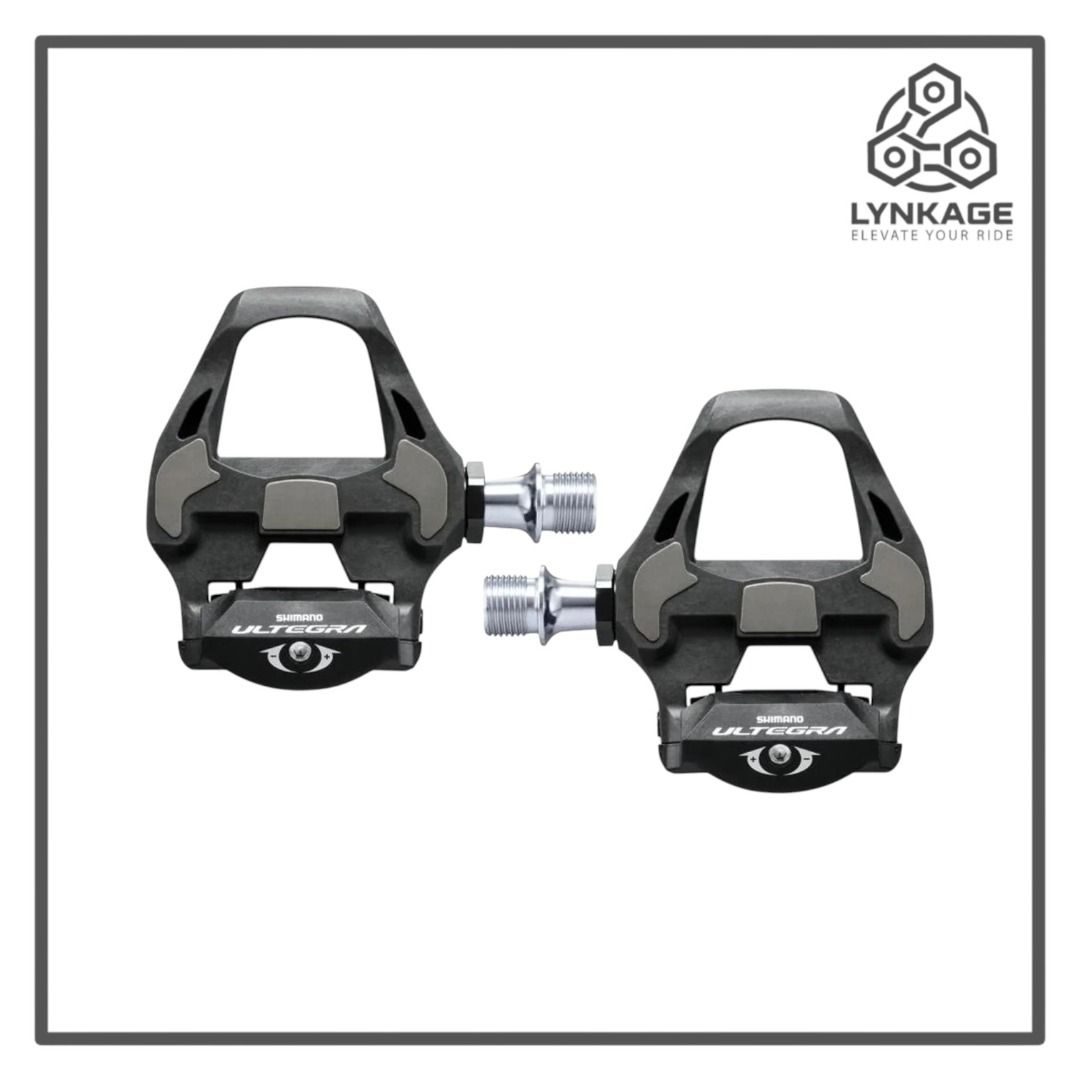
Shimano Ultegra R8000 Clipless Pedals
pedals
SRAM
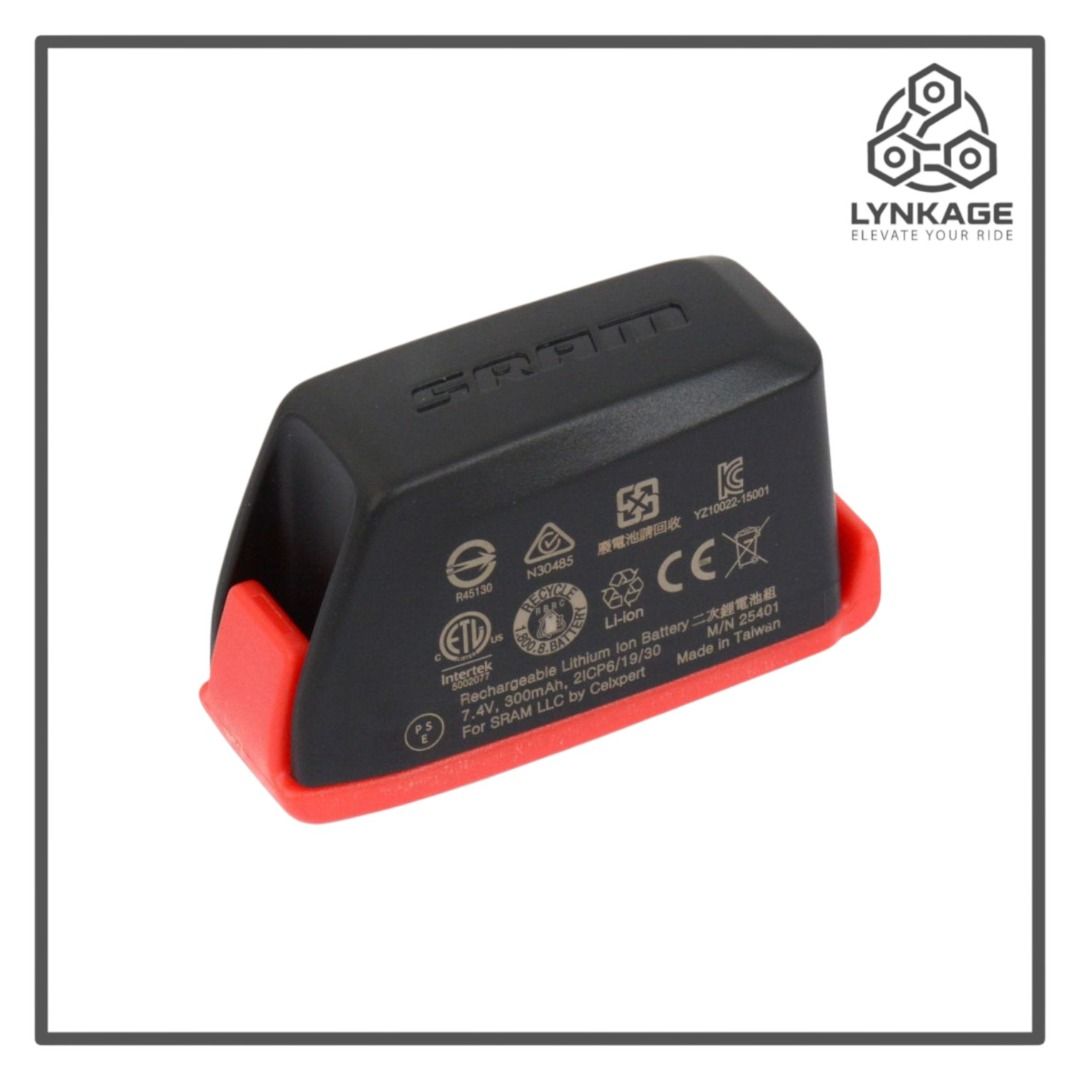
SRAM AXS Etap Battery
accessories
Shimano
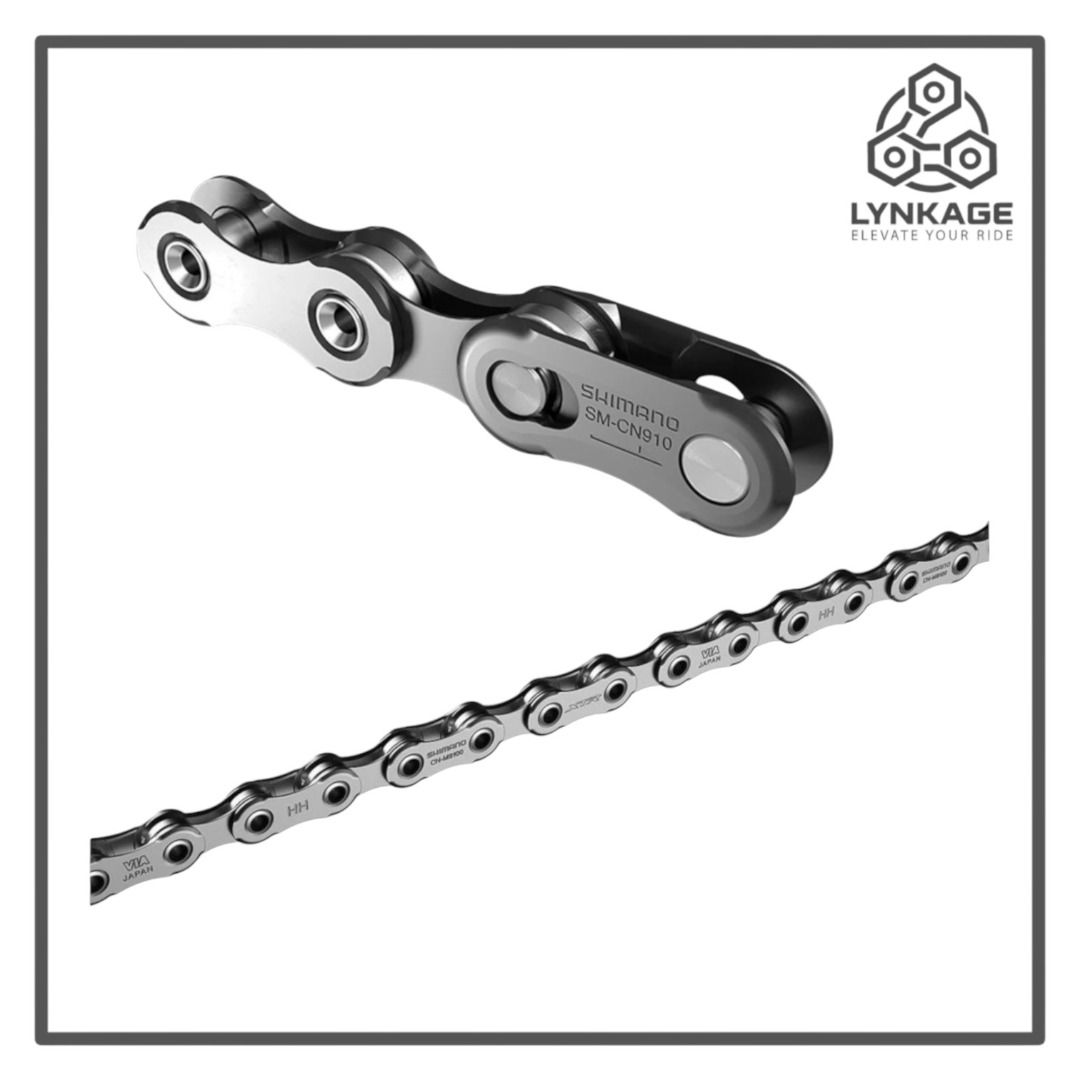
Shimano Chain CN-M9100 12 Speed Dura Ace Chain
chains
Shimano
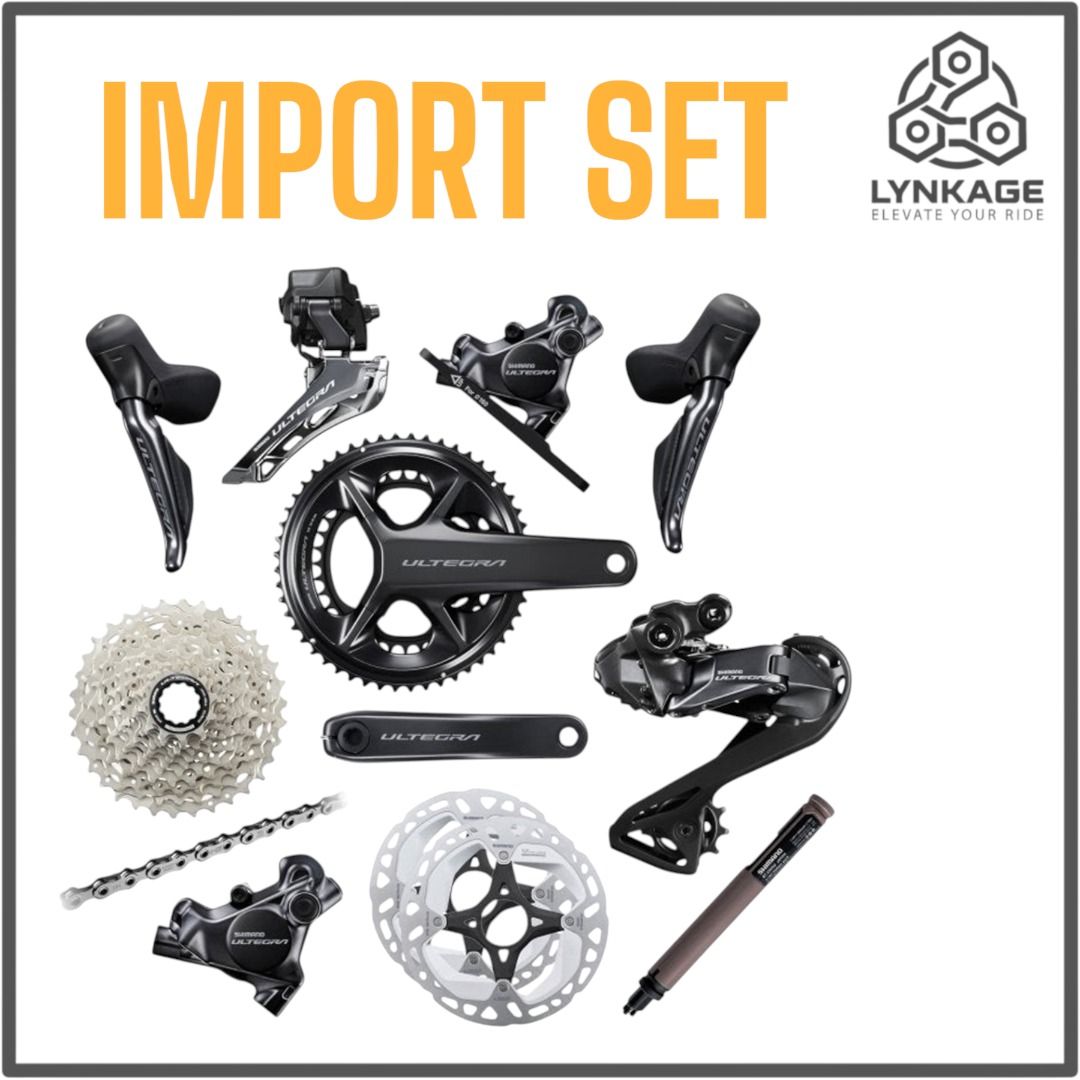
Shimano Ultegra R8170 12 speed di2 groupset
groupsets
Shimano
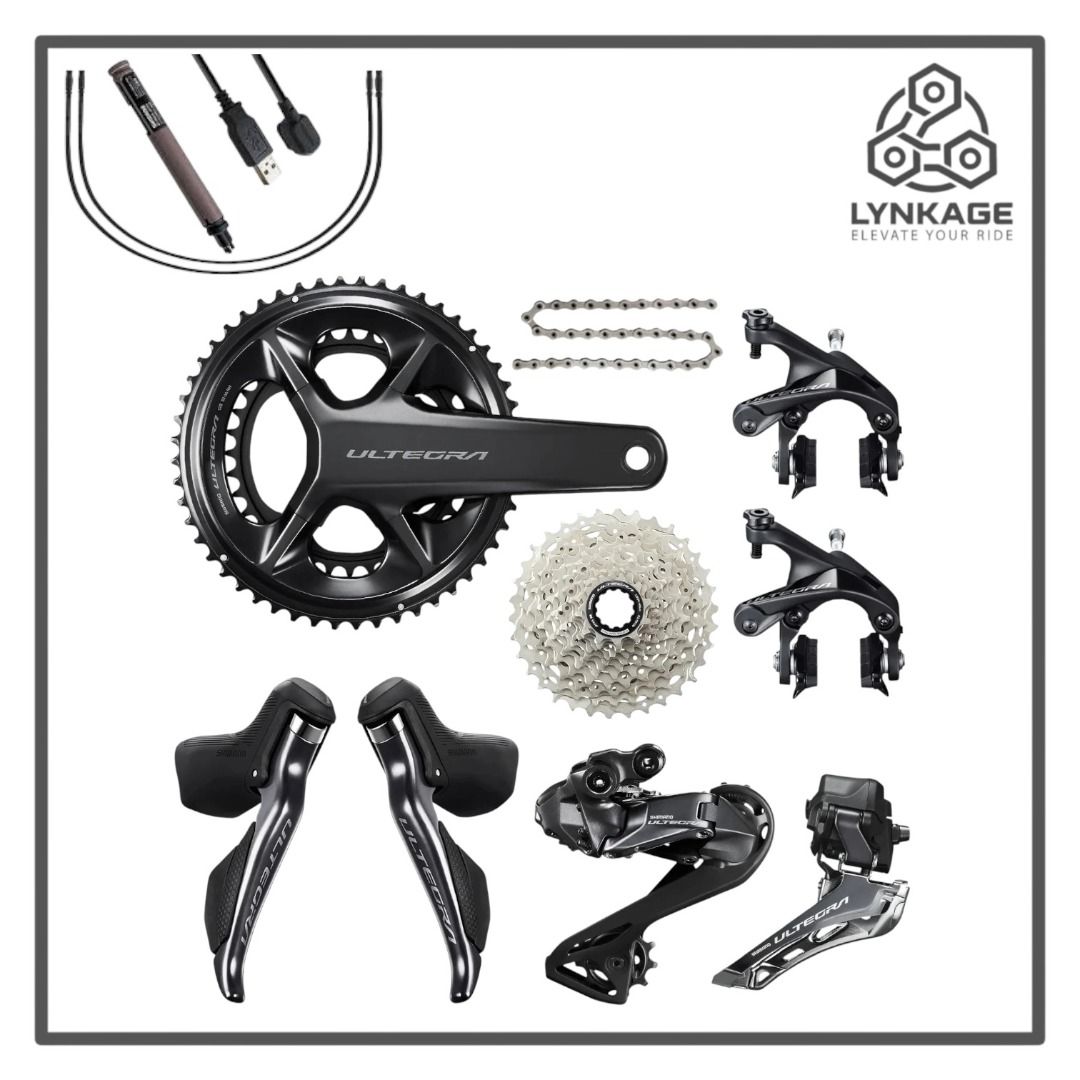
Shimano Ultegra R8150 Rim Brake 12 speed di2 groupset
groupsets
Related guides
Shimano vs SRAM: which groupset is right for you?
Both make excellent road, gravel, and MTB groupsets. The right choice depends on shifting feel, ecosystem, and budget — not raw performance.
11-speed vs 12-speed drivetrains: is the upgrade worth it?
Going from 11- to 12-speed gives you more gear range or smaller steps, but it means new wheels, cassette, chain, and derailleur. Here's how to weigh it.
Tubeless vs tubed tyres: which is right for you?
Tubeless offers better puncture protection and ride feel, but takes more setup care. Tubed is simpler. Here's when each makes sense.
Carbon vs alloy frames: which is right for you?
Carbon is light and tunable; alloy is robust and value-friendly. Both make excellent frames — the right choice depends on use and budget.