
Carbon vs alloy frames: which is right for you?
Carbon is light and tunable; alloy is robust and value-friendly. Both make excellent frames — the right choice depends on use and budget.
Modern carbon and alloy frames have both reached a high quality bar. Carbon is no longer "just better"; alloy is no longer "the cheap option". The right choice depends on what you ride, how you ride, and how you weigh up costs.
This is a general overview. Specific frame quality varies enormously between manufacturers and price tiers.
At a glance
| Carbon | Alloy (aluminium) | |
|---|---|---|
| Weight | Lower for the same stiffness | Heavier but the gap is smaller than it used to be |
| Ride feel | Tunable — can be made compliant or stiff | Inherently a bit harsher but modern alloy is much better than it once was |
| Repairability | Possible with specialist repair | Generally not repairable; replace the frame |
| Crash damage | Can hide internal damage | Usually visible (dents, deformation) |
| Cost | Higher | Lower |
| Resale | Holds value at top tier | Stable but lower in absolute terms |
Where each tends to win
Carbon
- Race bikes where every gram and aero shaping matters.
- Endurance bikes where engineered compliance smooths long rides.
- Riders who plan to keep the same bike for many years and want top-tier feel.
Alloy
- First "good" road bike at a value-conscious budget.
- Commuter / training bikes where crash risk is higher.
- Bikepacking / adventure where repairability and damage tolerance matter.
Common myths
- "Carbon is fragile." Modern carbon frames are remarkably robust to normal use. Crash damage is the main concern, and inspection is harder than alloy.
- "Alloy can't ride well." Modern hydroformed alloy frames ride very well — far better than alloy frames from 15+ years ago.
- "Carbon is always lighter." Cheap carbon is often heavier than mid-tier alloy. Weight depends on layup quality, not just material.
Inspection notes
- Carbon — after a crash, look for cracks, soft spots, or compromised paint. Internal damage is hard to spot; if in doubt, get it inspected.
- Alloy — look for dents, deformation, and cracks at weld points.
How to choose
- Budget under a certain threshold — a quality alloy frame will outride a low-tier carbon one.
- Above that threshold — carbon usually pulls ahead on weight, comfort tuning, and aero shaping.
- For everyday training and commuting — alloy's robustness is genuinely useful.
Browse our parts range or come visit to talk frames in more detail.
Shop the products mentioned
View all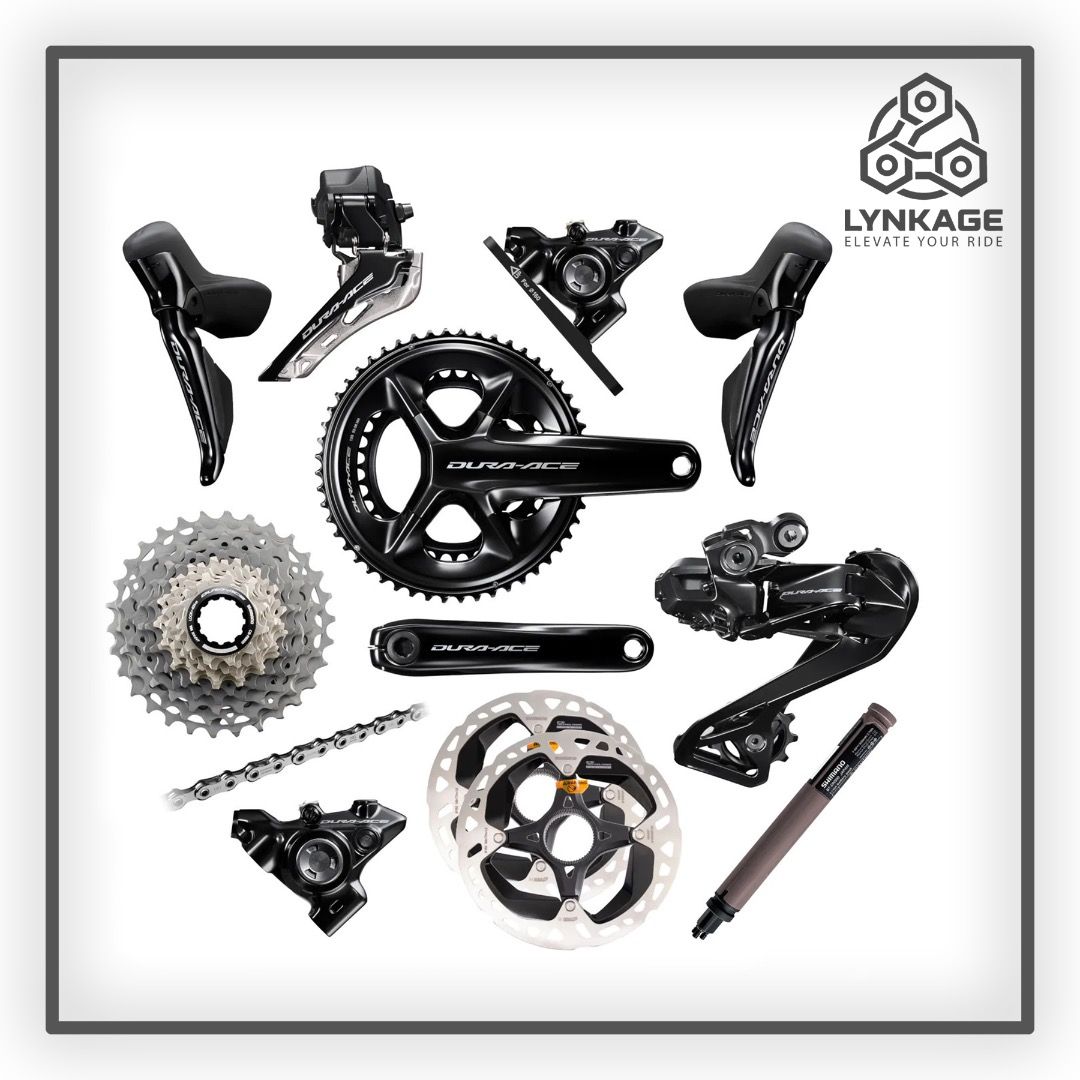
Shimano
Shimano Dura Ace R9270 di2 12 speed groupset
groupsets
Shimano
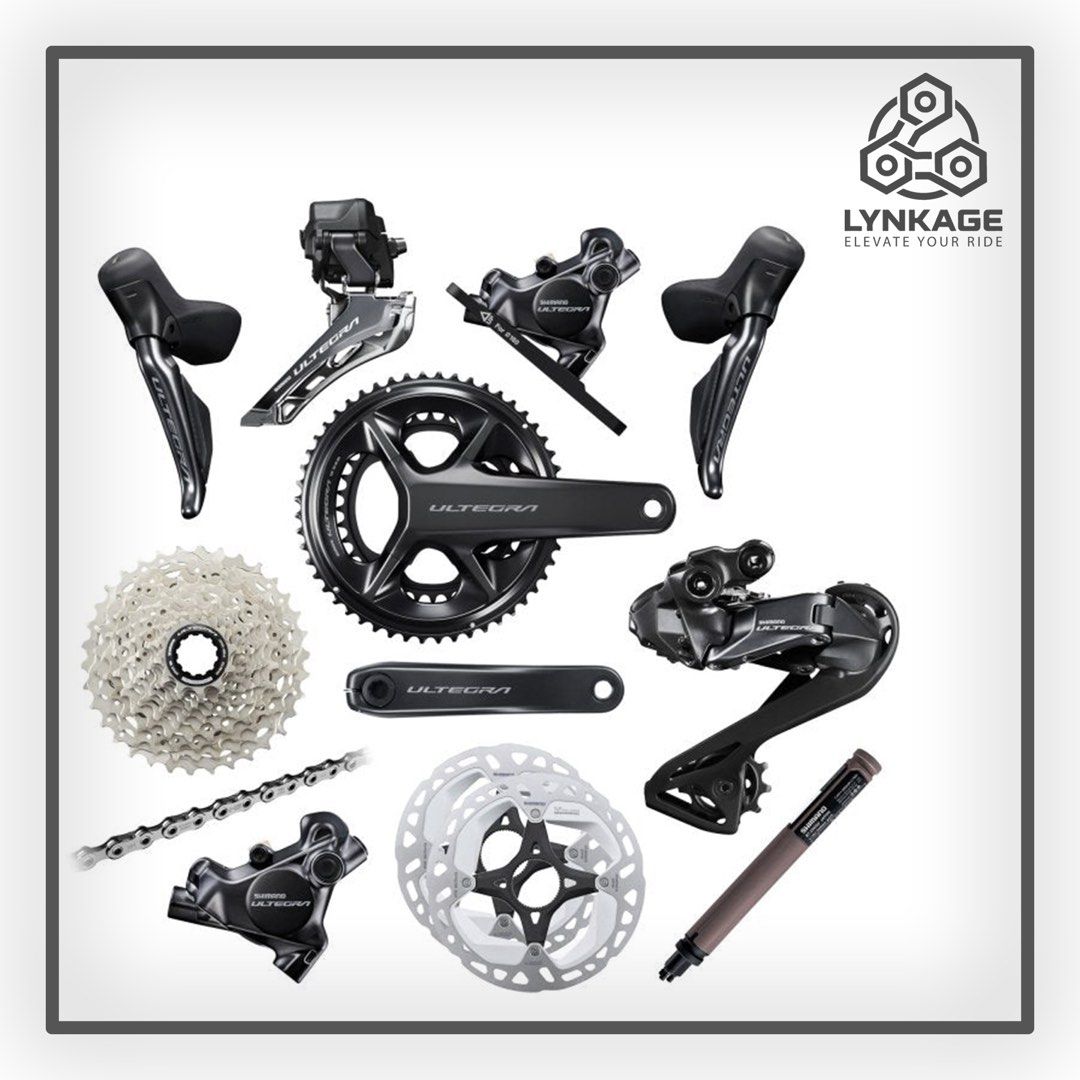
Shimano Ultegra R8170 12 speed di2 groupset
groupsets
Shimano
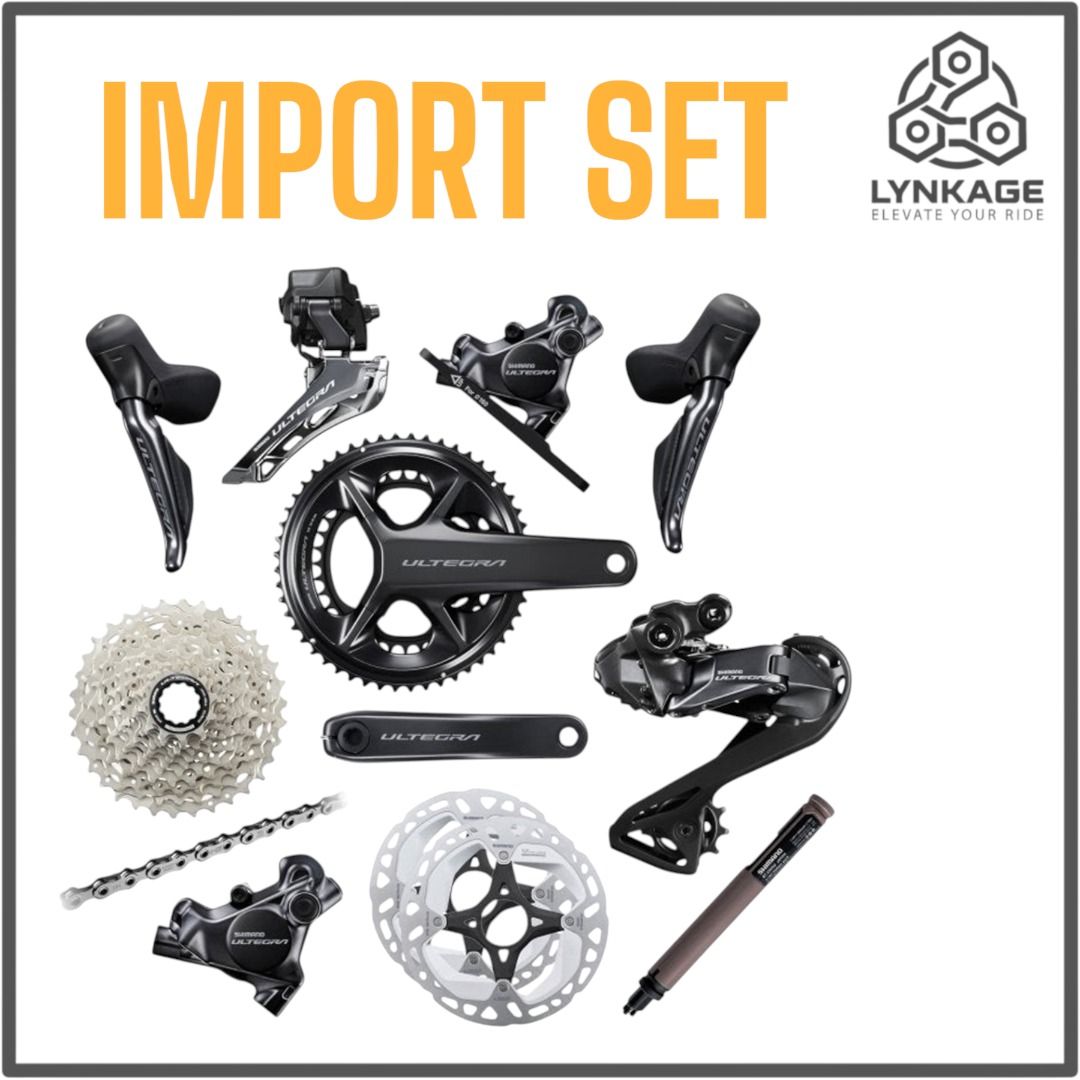
Shimano Ultegra R8170 12 speed di2 groupset
groupsets
Shimano
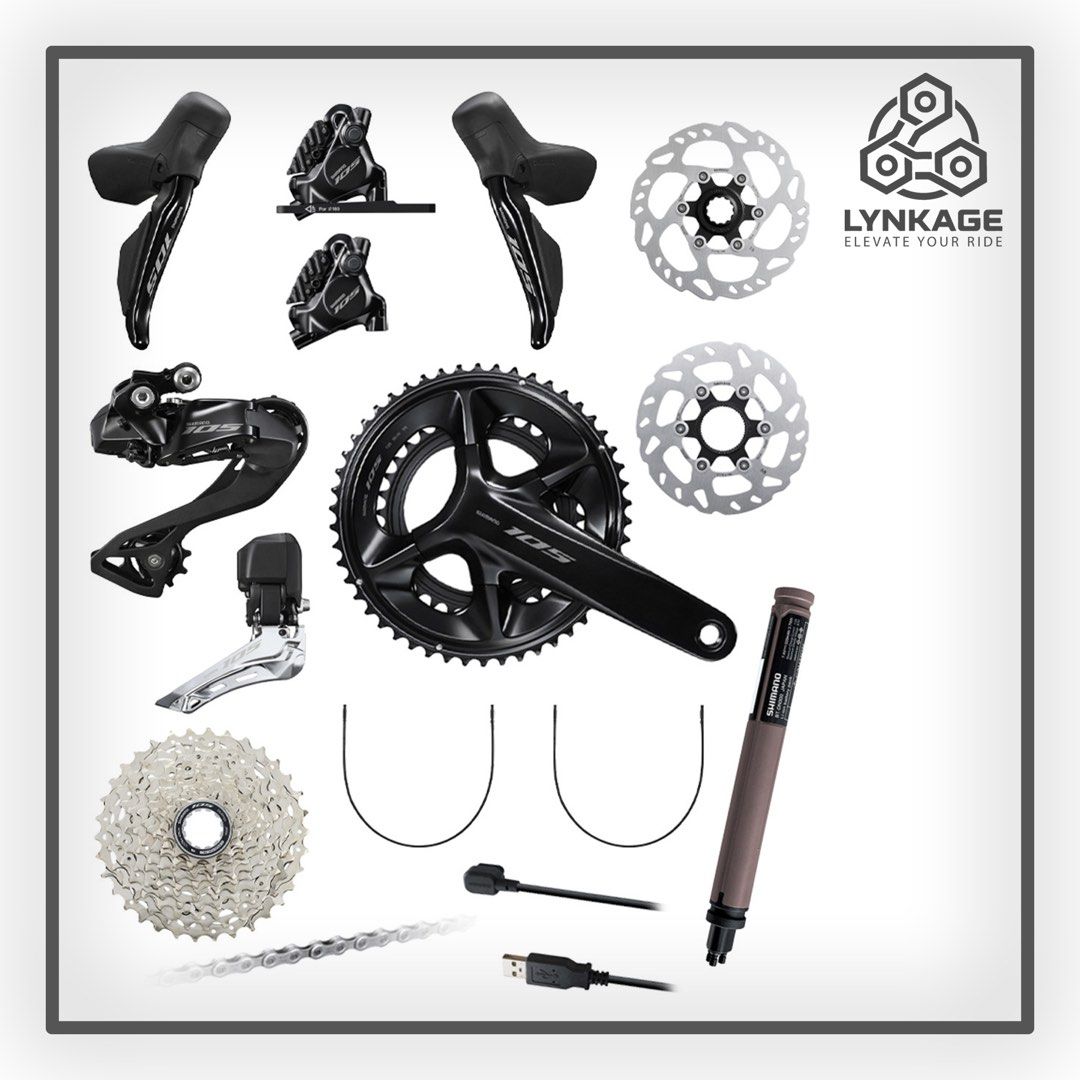
Shimano 105 Di2 R7170 12 speed Groupset
groupsets
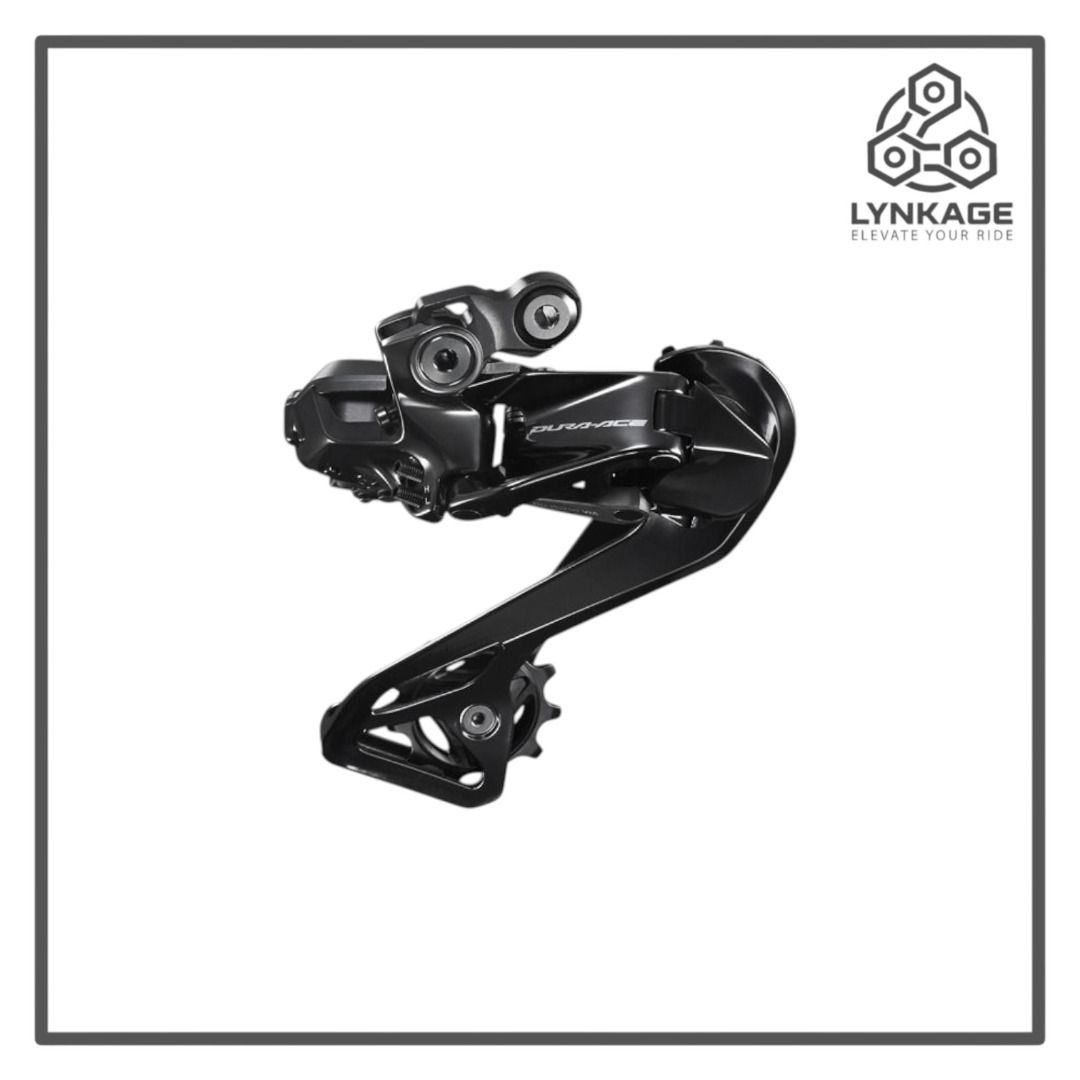
Shimano
Shimano Dura Ace R9270 Rear Derailleur RD
derailleurs
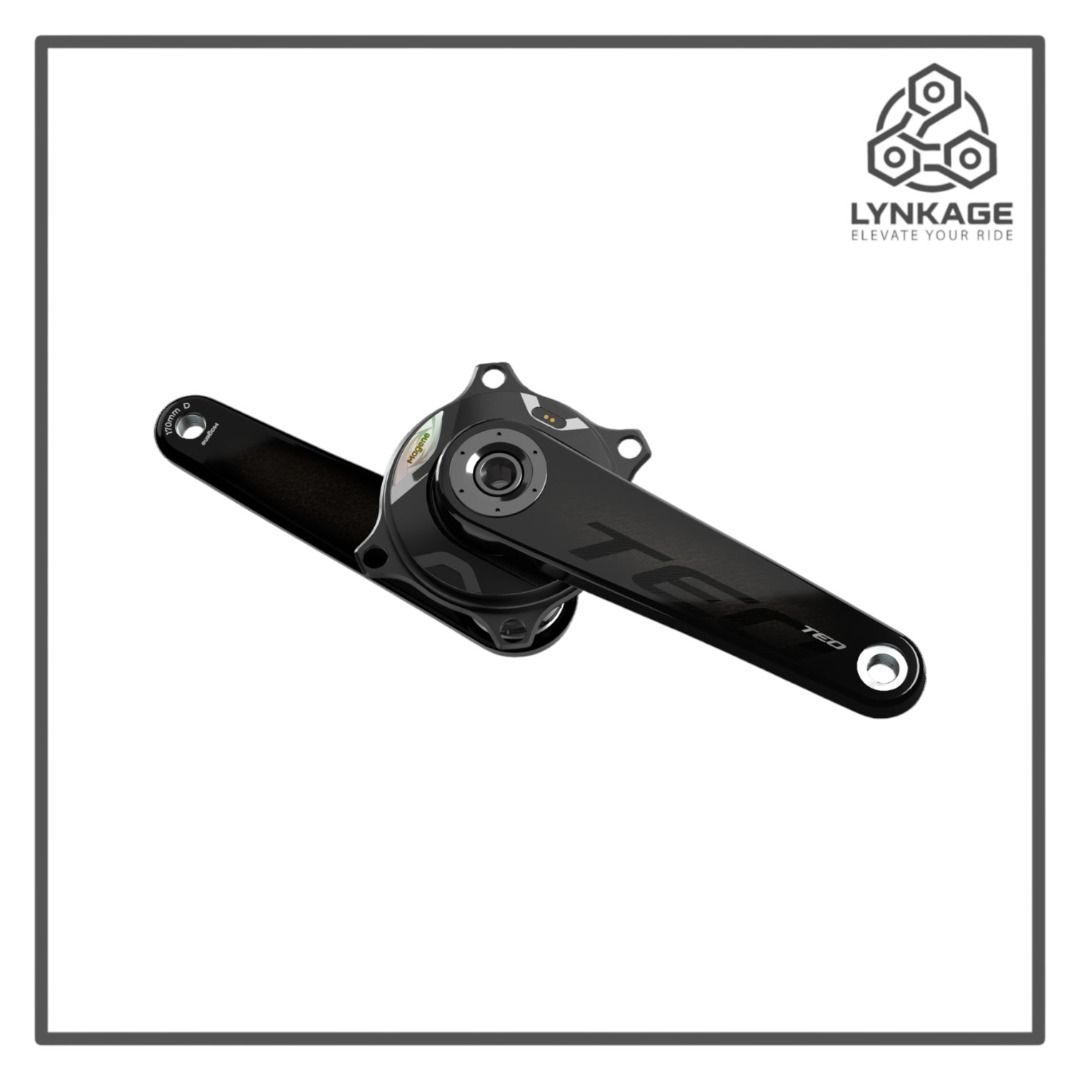
Magene
Magene TEO P515 Carbon Powermeter Crankset
cranksets
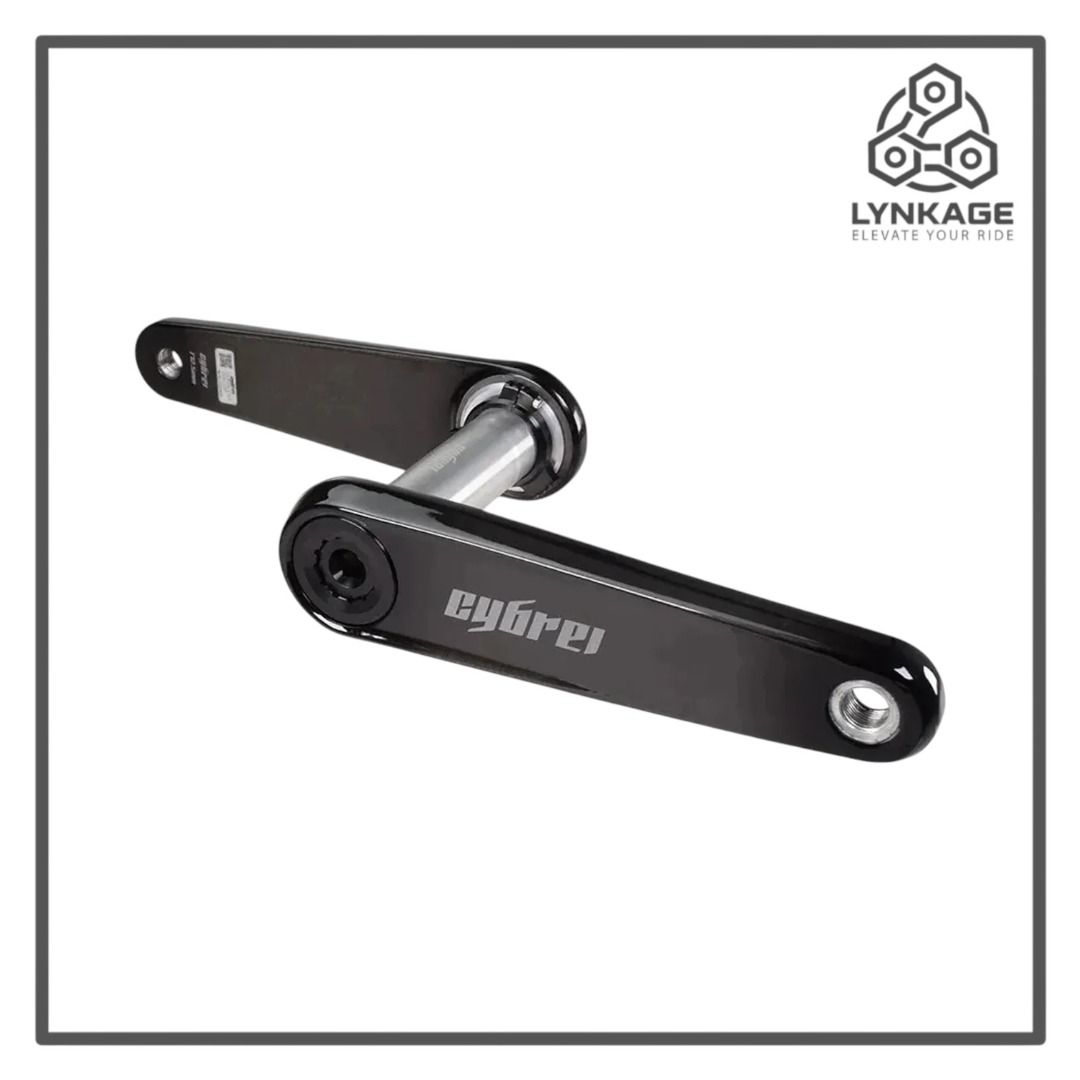
CYBREI
Cybrei GP-3 Carbon Crankarm Assembly
cranksets
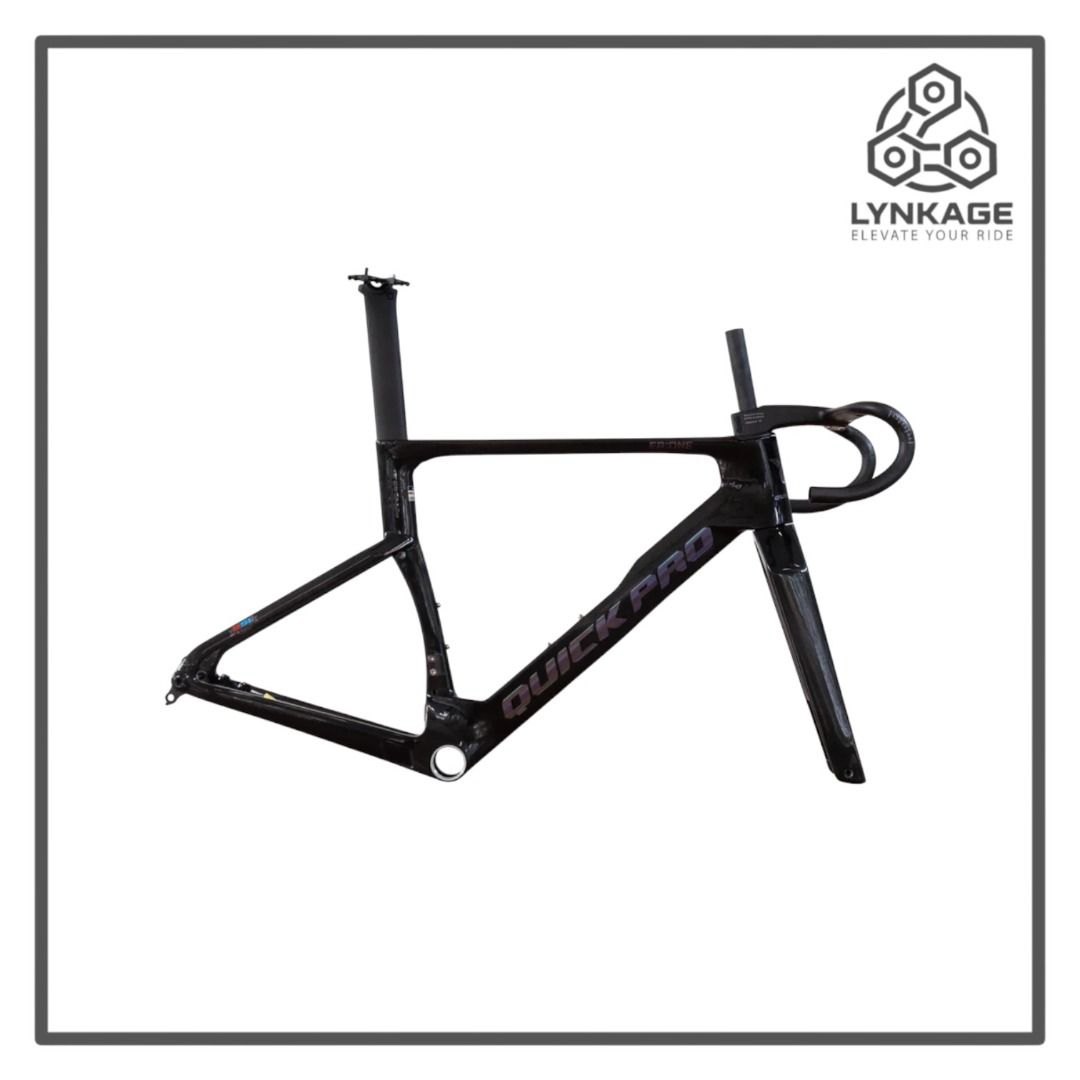
Quickpro
Quickpro ER:One Carbon Aero Road Frameset
road-frames
Related guides
Shimano vs SRAM: which groupset is right for you?
Both make excellent road, gravel, and MTB groupsets. The right choice depends on shifting feel, ecosystem, and budget — not raw performance.
Di2 vs eTap: electronic shifting compared
Shimano Di2 and SRAM eTap (AXS) both shift electronically but take different approaches. Here's what to weigh.
11-speed vs 12-speed drivetrains: is the upgrade worth it?
Going from 11- to 12-speed gives you more gear range or smaller steps, but it means new wheels, cassette, chain, and derailleur. Here's how to weigh it.
Tubeless vs tubed tyres: which is right for you?
Tubeless offers better puncture protection and ride feel, but takes more setup care. Tubed is simpler. Here's when each makes sense.