
Mechanical vs hydraulic disc brakes
Hydraulic offers better feel and modulation; mechanical is simpler and easier to service trailside. Here's how to choose.
Both mechanical and hydraulic disc brakes stop the bike well. The main differences are in feel, maintenance, and serviceability.
This is a general overview. Specific performance varies by brake model and pad choice.
At a glance
| Mechanical disc | Hydraulic disc | |
|---|---|---|
| Actuation | Cable | Sealed fluid system |
| Lever feel | Good but firmer | Smoother, more progressive |
| Modulation | Decent | Better |
| Power | Strong, especially top-tier mechanical | Generally stronger |
| Maintenance | Cable + pad + occasional re-cable | Bleeding when needed, pads, fluid change |
| Trailside fix | Easy (cable swap, pad replacement) | Harder (bleed kit needed) |
| Cost | Lower | Higher |
| Weight | Slightly heavier (with cable + housing) | Slightly lighter on premium systems |
Where mechanical wins
- Touring and bikepacking. Trailside repair without specialised tools.
- Budget-conscious builds.
- Older bikes being upgraded from rim brakes where existing cable-routing fits.
Where hydraulic wins
- Daily riding. Less maintenance over time, better feel.
- Performance riding. Modulation matters when you're braking precisely at speed.
- Wet conditions. Sealed system + better modulation = more confidence.
Maintenance basics
- Mechanical — cables stretch, housing collects grit, pad wear changes lever feel. Periodic re-cable is normal.
- Hydraulic — bleed when lever feel becomes spongy or the pad gap doesn't auto-adjust well. Brake fluid type matters (DOT vs mineral oil — never mix).
Common mistakes
- Mixing brake fluids. DOT and mineral oil are not interchangeable. Use exactly what the manufacturer specifies.
- Riding on contaminated pads. Stop, replace, decontaminate the rotor.
- Ignoring rotor wear. Worn rotors compromise braking and can damage pads.
Browse brakes or book a service — we'll bleed, re-cable, or upgrade as needed.
Shop the products mentioned
View all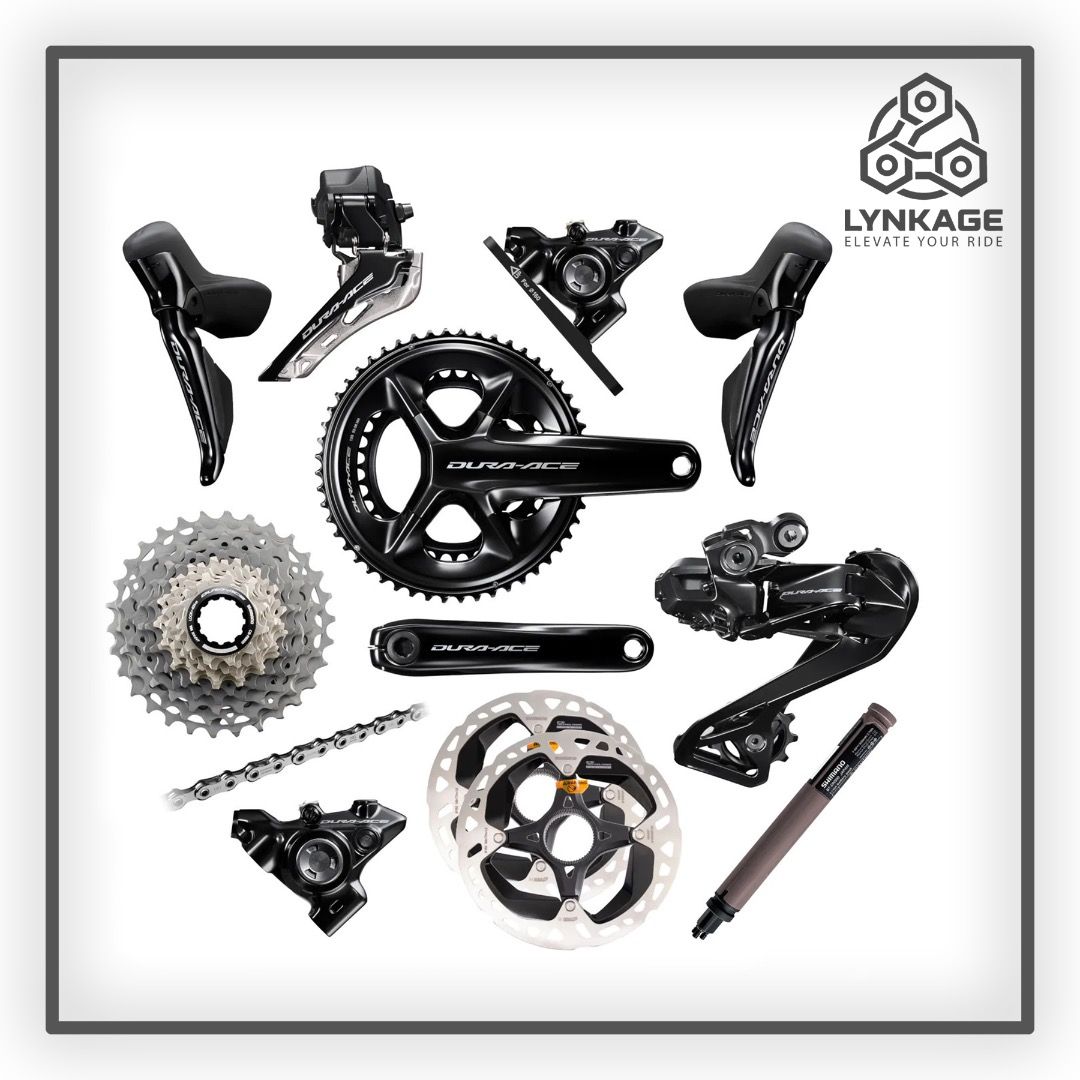
Shimano
Shimano Dura Ace R9270 di2 12 speed groupset
groupsets
Shimano
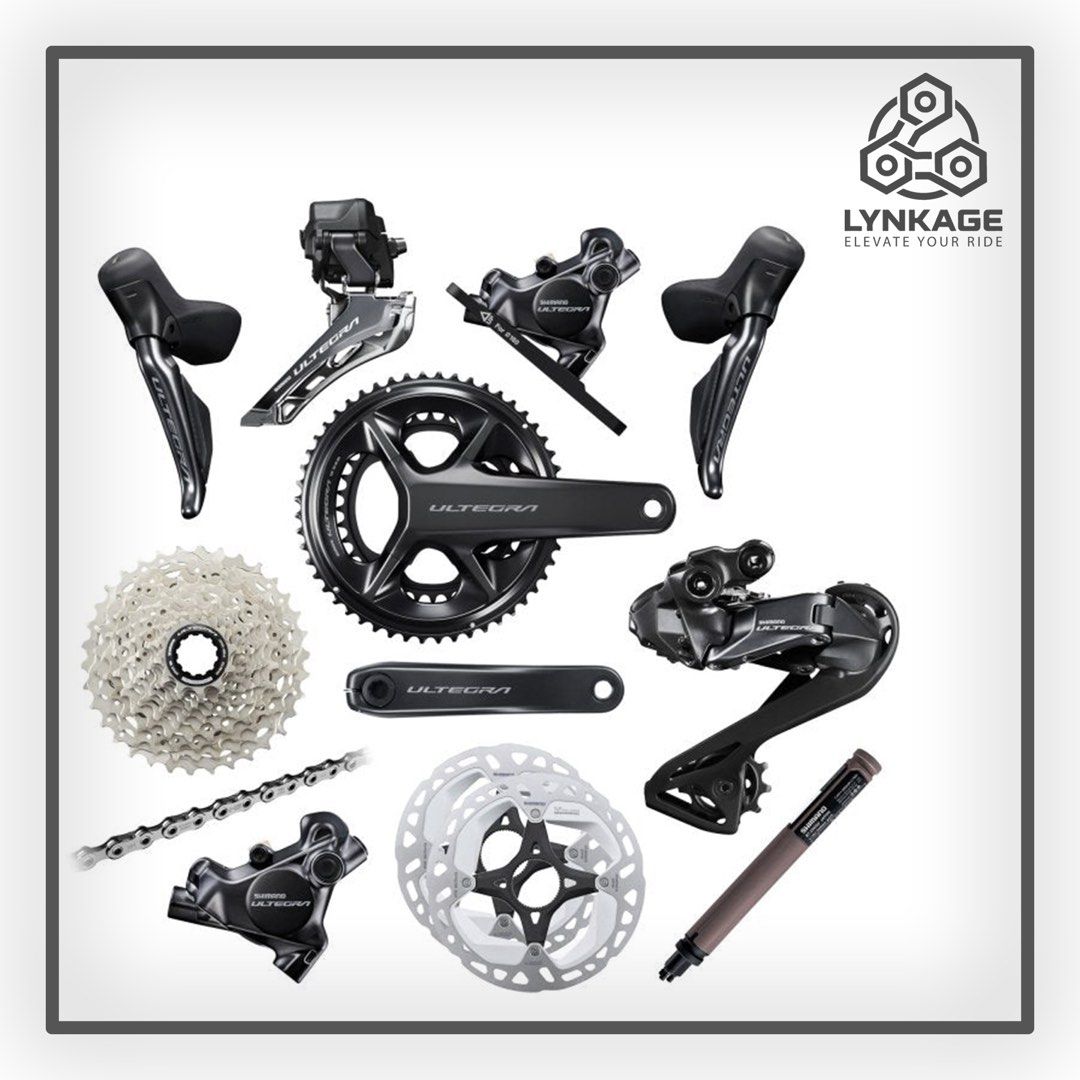
Shimano Ultegra R8170 12 speed di2 groupset
groupsets
Shimano
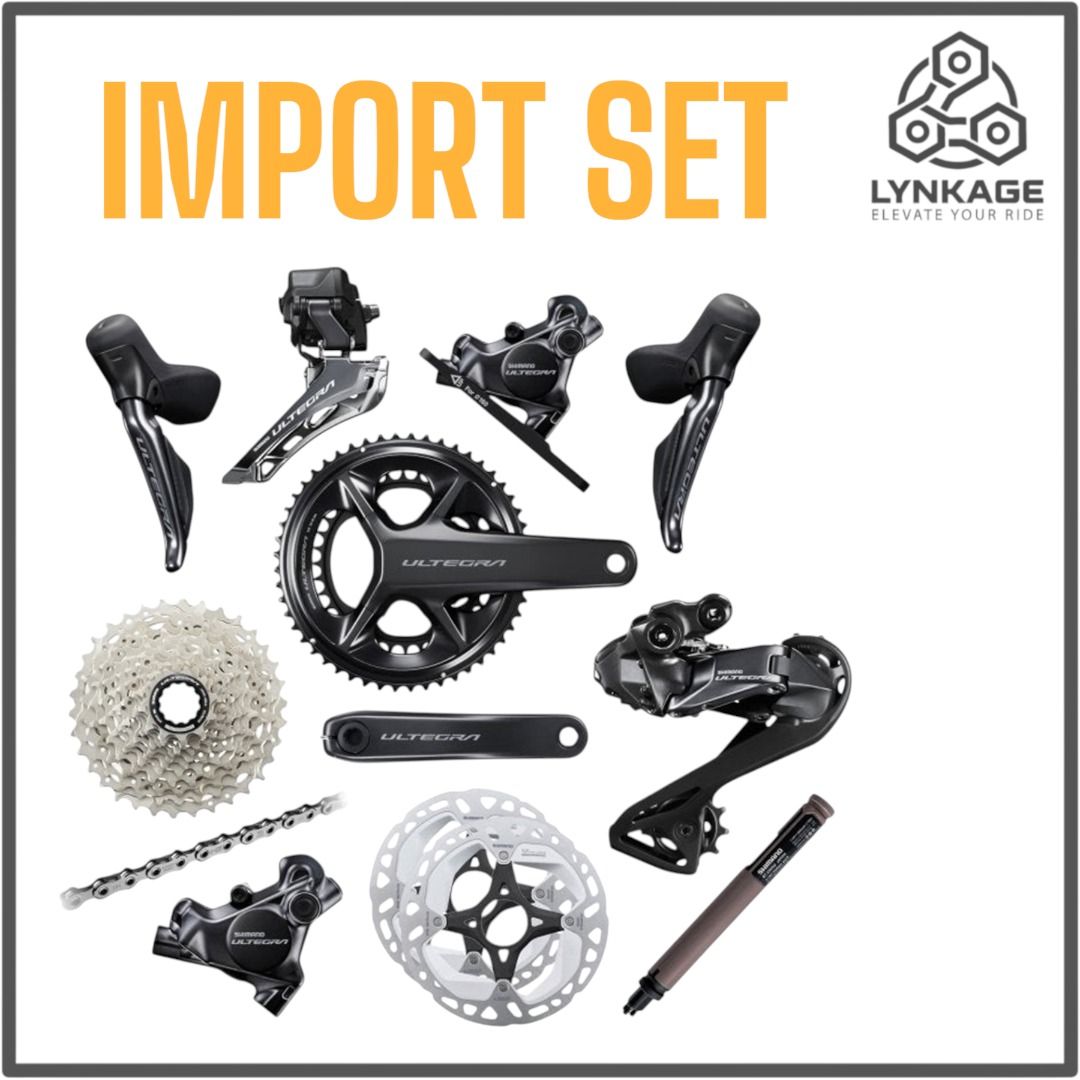
Shimano Ultegra R8170 12 speed di2 groupset
groupsets
Shimano
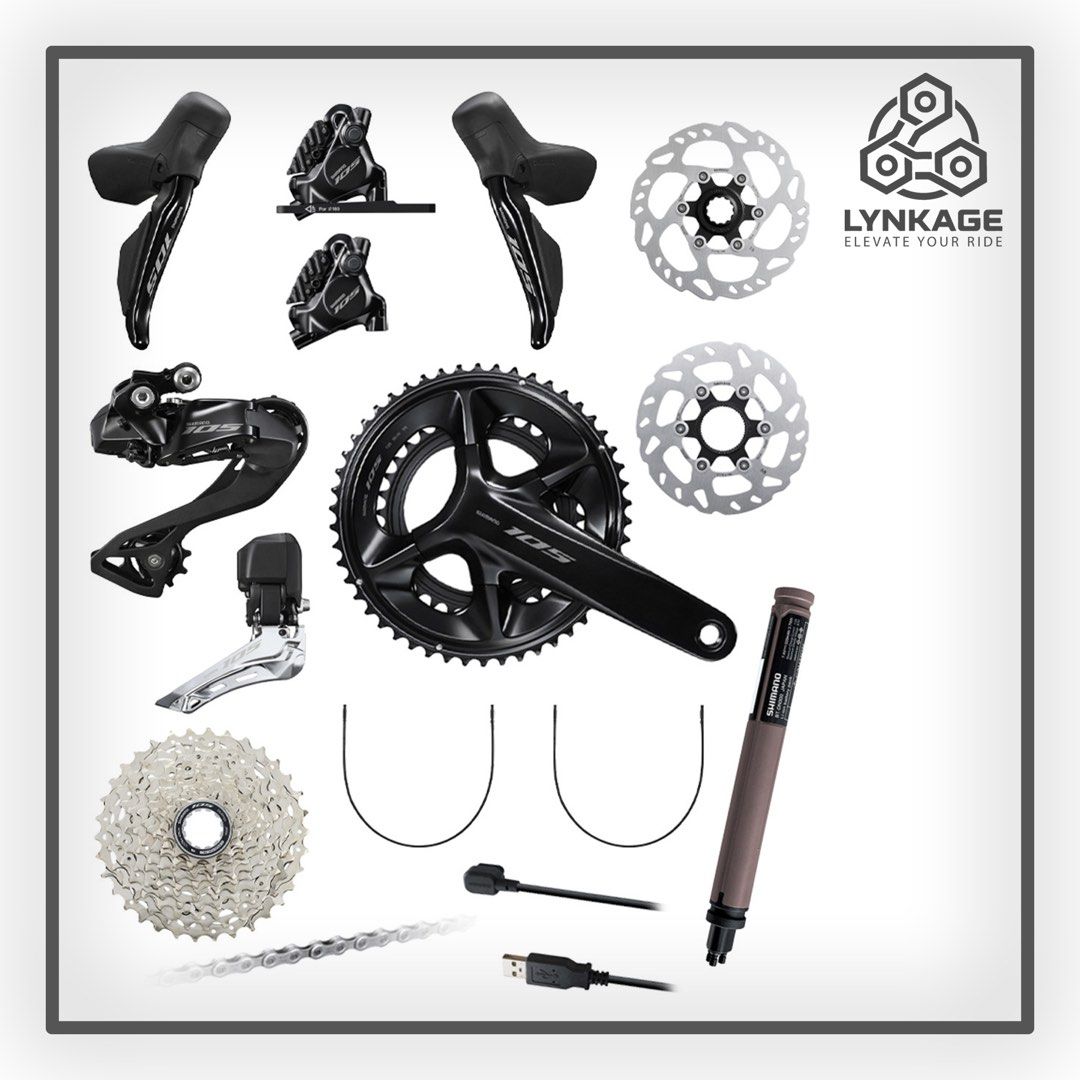
Shimano 105 Di2 R7170 12 speed Groupset
groupsets
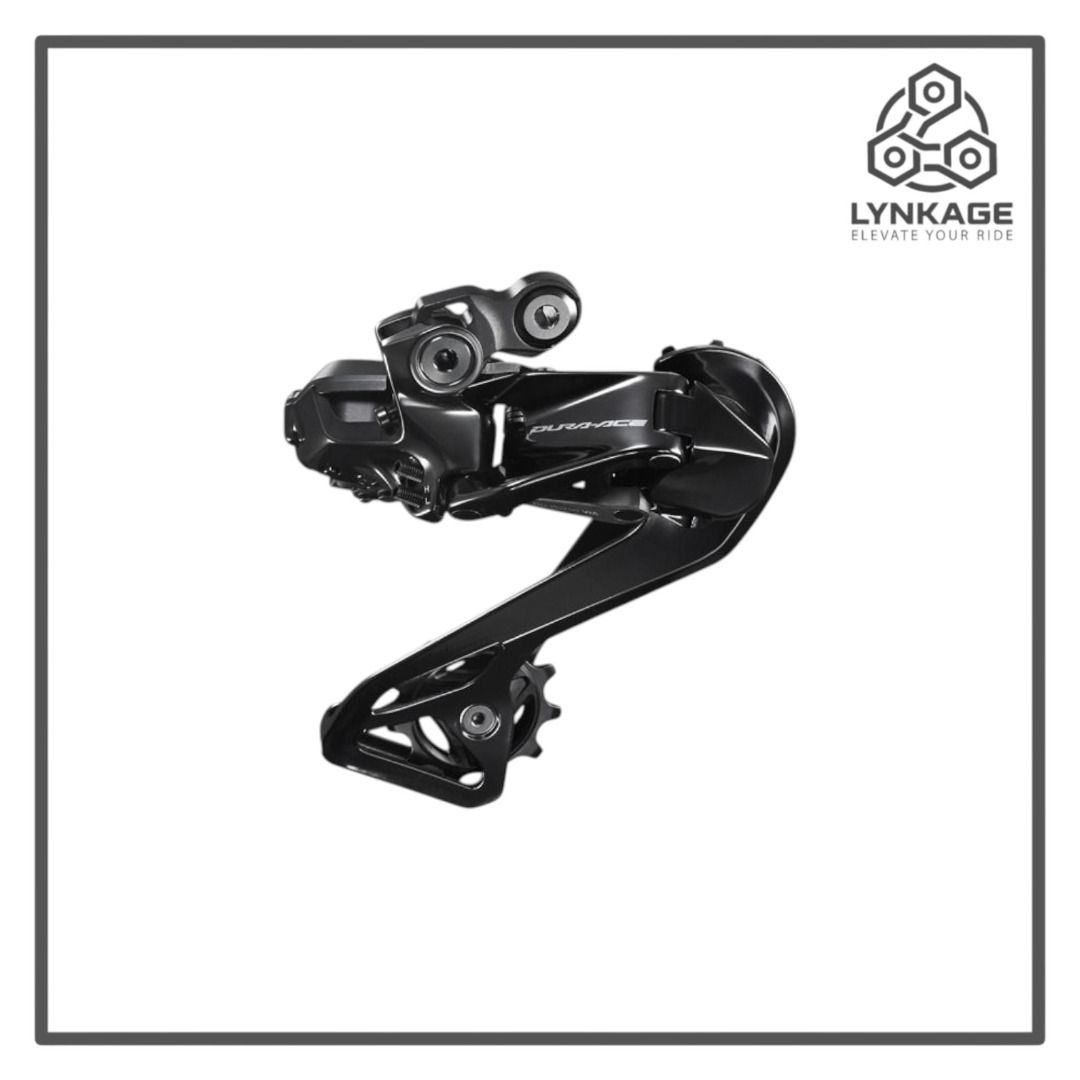
Shimano
Shimano Dura Ace R9270 Rear Derailleur RD
derailleurs
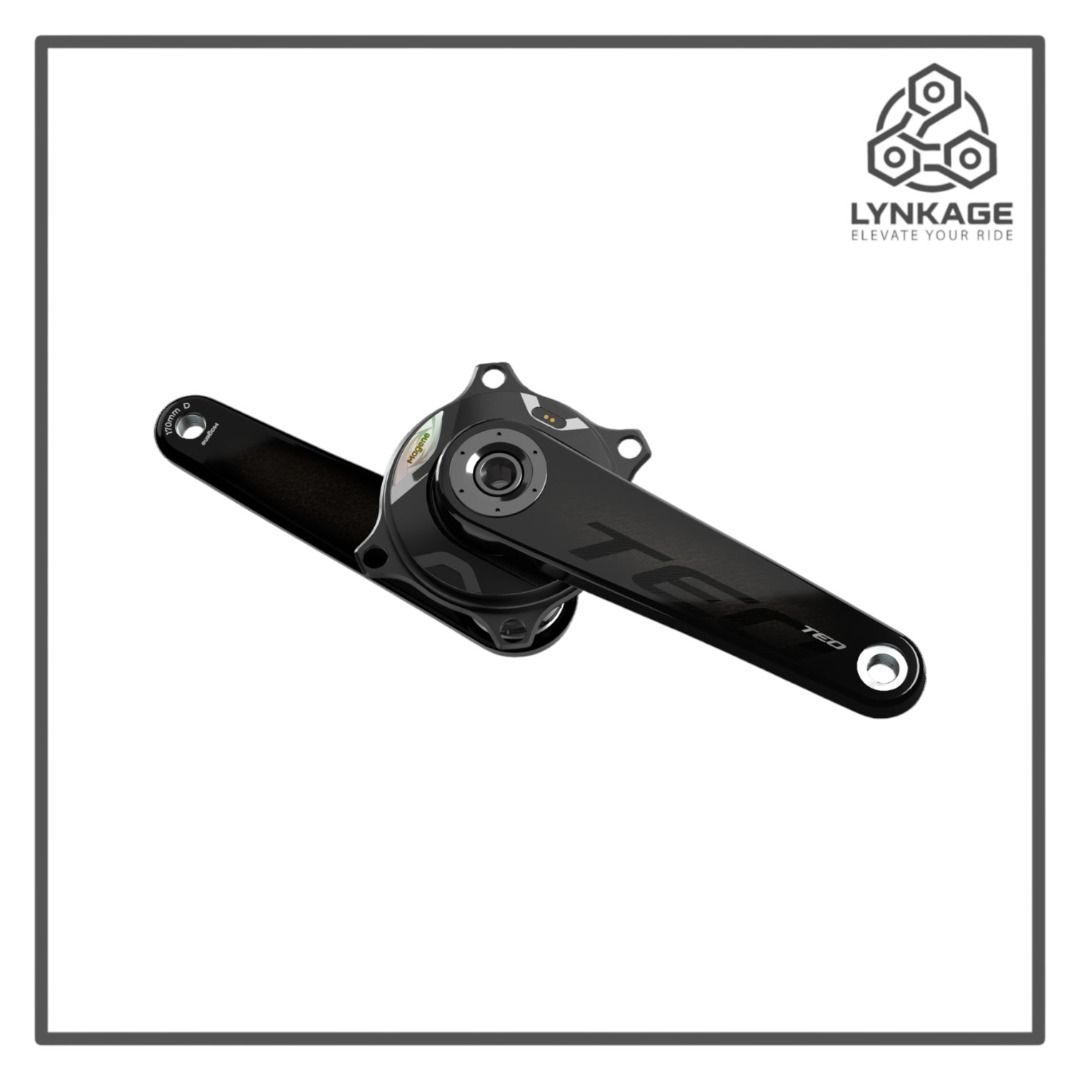
Magene
Magene TEO P515 Carbon Powermeter Crankset
cranksets
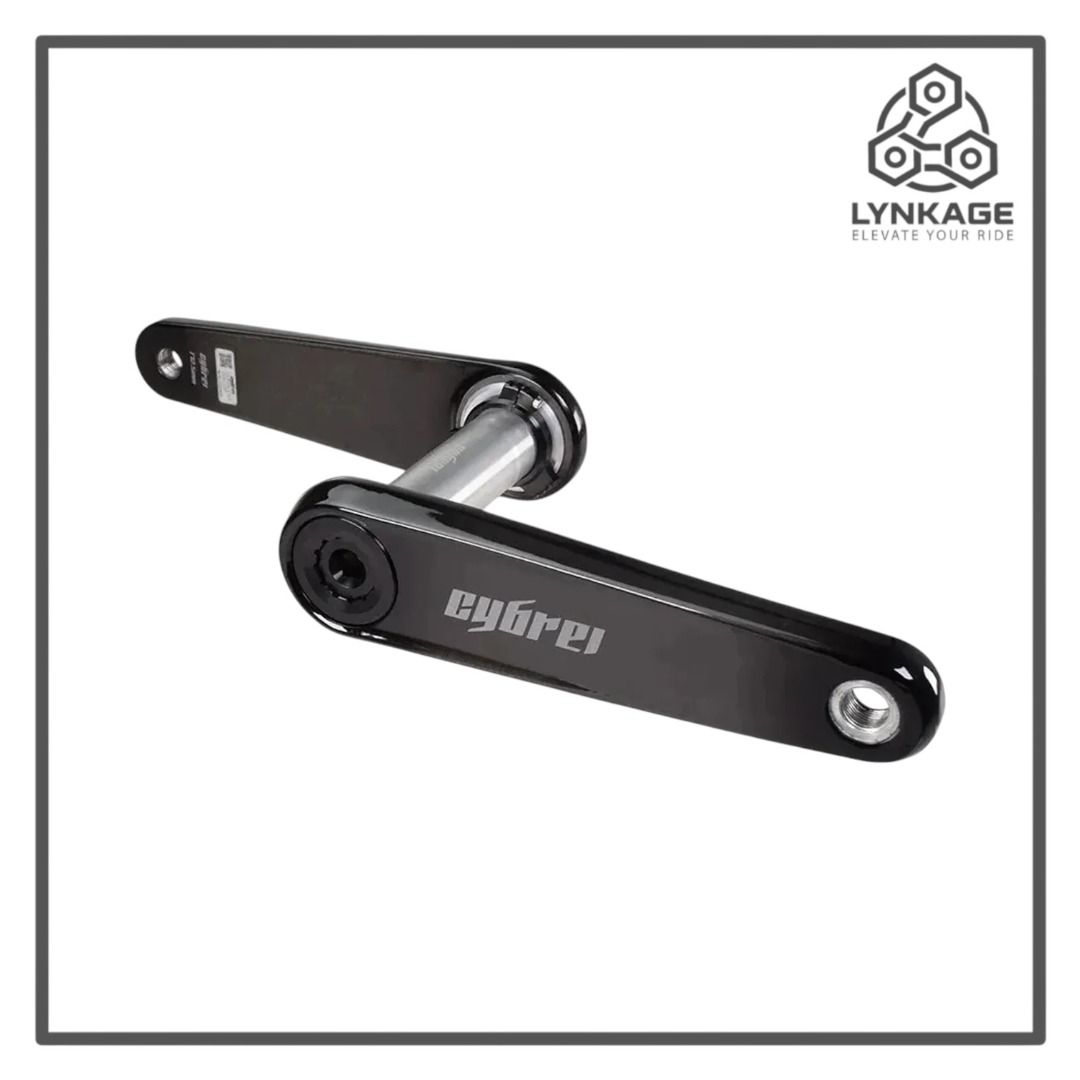
CYBREI
Cybrei GP-3 Carbon Crankarm Assembly
cranksets
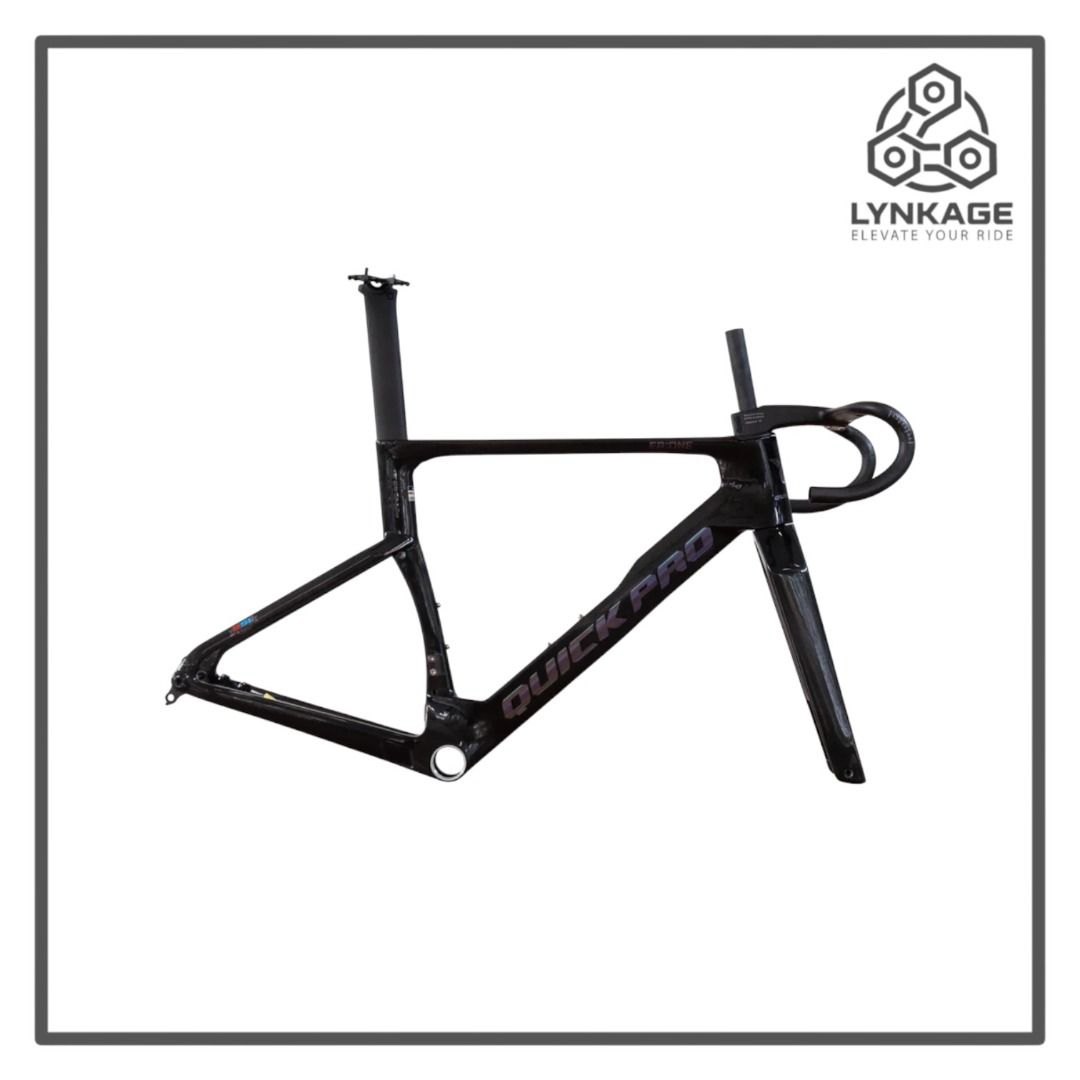
Quickpro
Quickpro ER:One Carbon Aero Road Frameset
road-frames
Related guides
Shimano vs SRAM: which groupset is right for you?
Both make excellent road, gravel, and MTB groupsets. The right choice depends on shifting feel, ecosystem, and budget — not raw performance.
Di2 vs eTap: electronic shifting compared
Shimano Di2 and SRAM eTap (AXS) both shift electronically but take different approaches. Here's what to weigh.
11-speed vs 12-speed drivetrains: is the upgrade worth it?
Going from 11- to 12-speed gives you more gear range or smaller steps, but it means new wheels, cassette, chain, and derailleur. Here's how to weigh it.
Tubeless vs tubed tyres: which is right for you?
Tubeless offers better puncture protection and ride feel, but takes more setup care. Tubed is simpler. Here's when each makes sense.