
Hookless vs hooked rims: what to know before going hookless
Hookless rims pair with specific tyres and pressure ranges. Here's a hedged primer on the difference and what to confirm before buying.
Hookless rims have no hooked bead lip; the tyre's bead seats against a straight rim wall. They allow lighter, simpler rim construction and are common on modern carbon wheels. But they're more particular about tyre compatibility and pressure than traditional hooked rims.
This is a general overview. Always check the rim manufacturer's compatible tyre and pressure list before buying or fitting tyres on hookless rims. This is one of the most safety-critical compatibility checks in modern cycling.
At a glance
| Hookless | Hooked | |
|---|---|---|
| Bead retention | Relies on precise tyre + rim fit | Hook lip mechanically retains bead |
| Tyre compatibility | Restricted to approved tyres | Broad |
| Maximum pressure | Often capped (e.g. 5–7 bar / 70–100 psi) | Higher capacity |
| Setup | Easier seating with compatible tyres | Standard tubeless setup |
| Weight | Lighter rim possible | Slightly heavier |
| Manufacturing tolerance | Tighter required | More forgiving |
Why hookless exists
- Lighter rims for the same strength.
- Easier tubeless setup with compatible tyres.
- Improved aero shaping in some carbon designs.
Why it matters
If a tyre's bead diameter or strength isn't matched to the rim's hookless spec, the tyre can blow off the rim — particularly at higher pressures. This is not a theoretical concern; it has happened.
What to confirm before buying tyres for hookless rims
- The tyre is on the rim manufacturer's approved list.
- The pressure you plan to run is within both the tyre's and the rim's maximum.
- Tyre width matches the rim's recommended internal width range.
- The tyre is tubeless-compatible (hookless is tubeless-only).
Pressure recommendations
Hookless setups generally favour wider tyres at lower pressures (which most modern road and gravel riding has moved toward anyway). If you're a rider who likes to run high pressure on narrow tyres, hookless may not suit you.
Common mistakes
- Fitting a non-approved tyre. Even if it physically mounts.
- Inflating beyond the rim's max pressure. Catastrophic failures can result.
- Assuming all carbon rims are the same. Hookless and hooked carbon rims have different requirements.
Browse wheels and tyres or chat with us — we'll verify your specific combination.
Shop the products mentioned
View all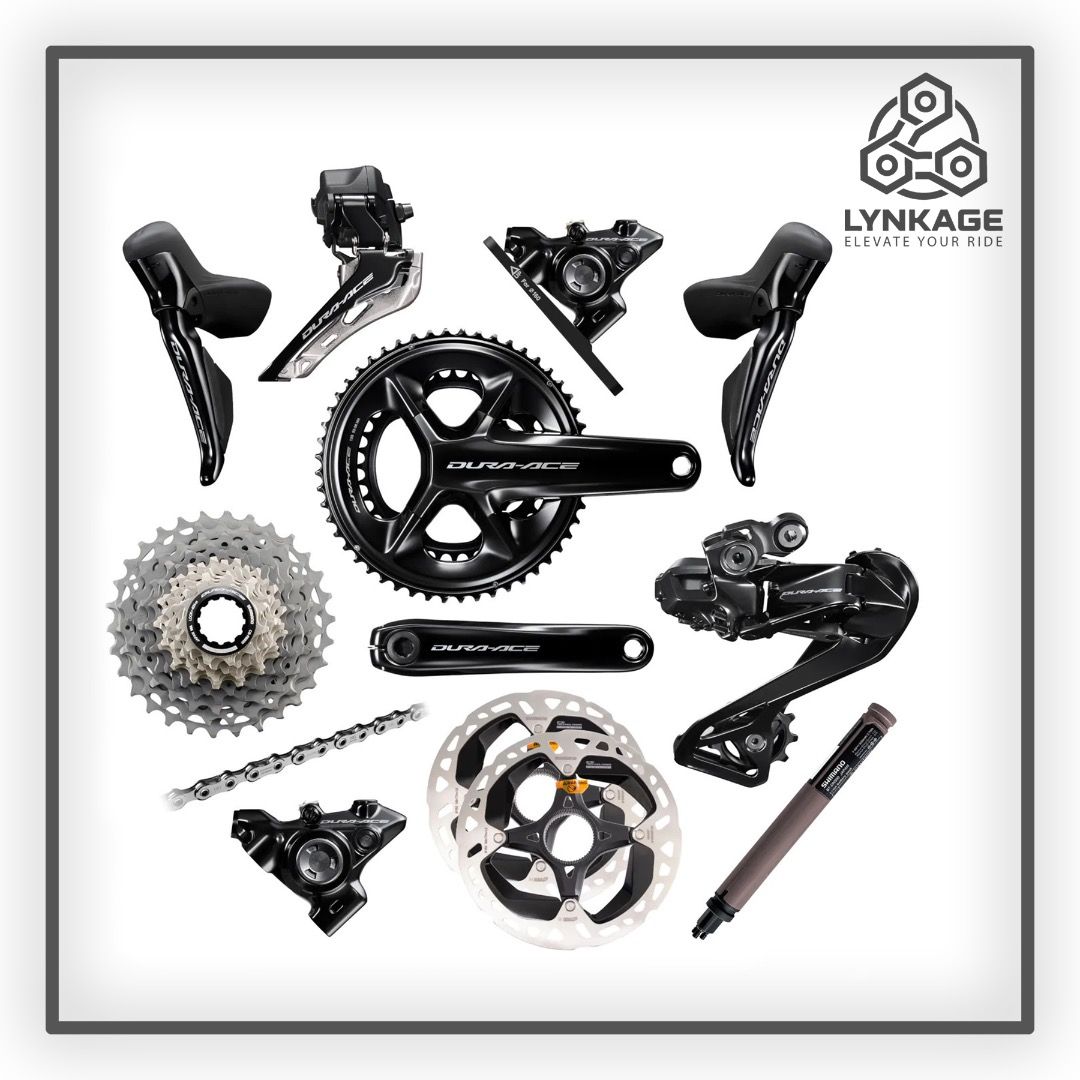
Shimano
Shimano Dura Ace R9270 di2 12 speed groupset
groupsets
Shimano
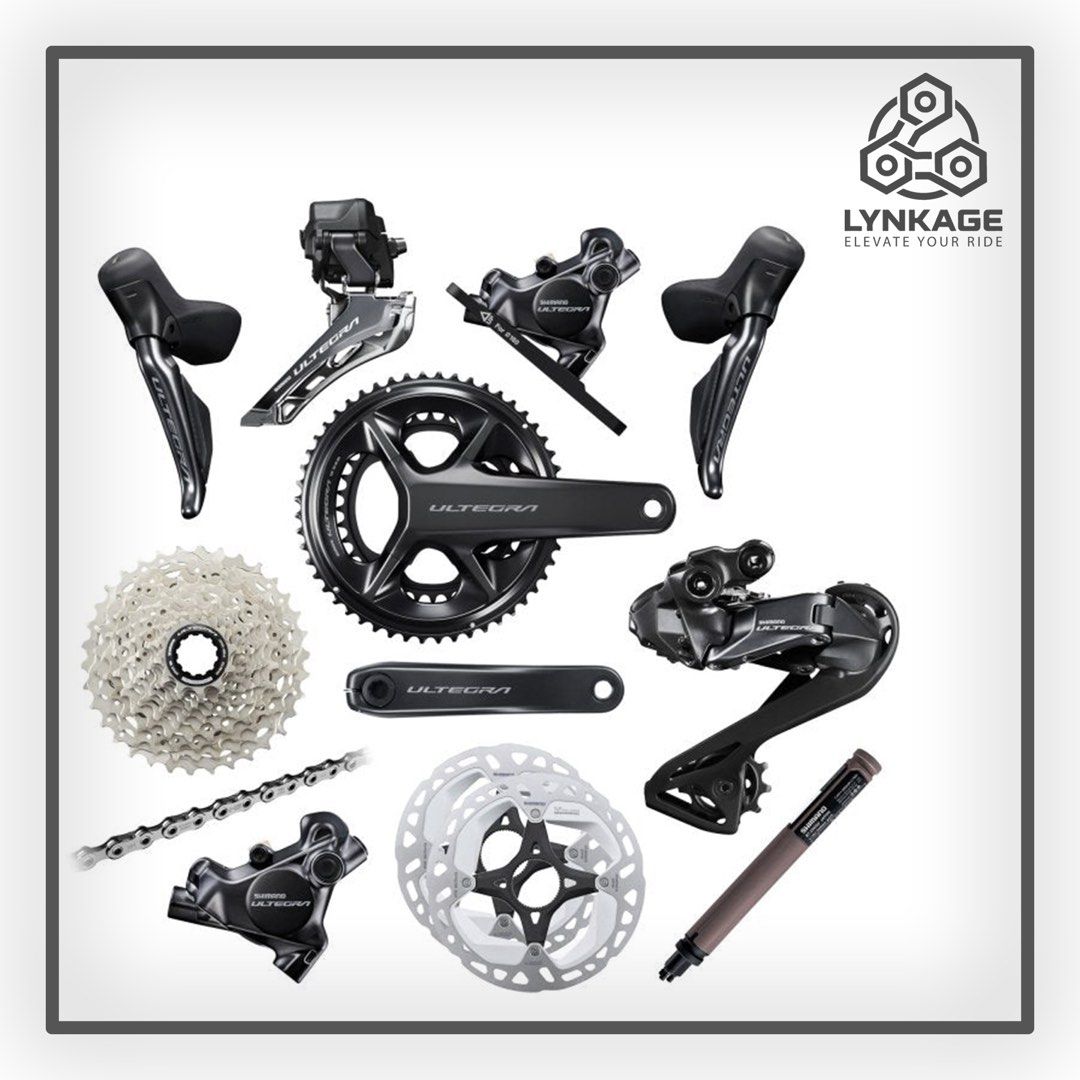
Shimano Ultegra R8170 12 speed di2 groupset
groupsets
Shimano
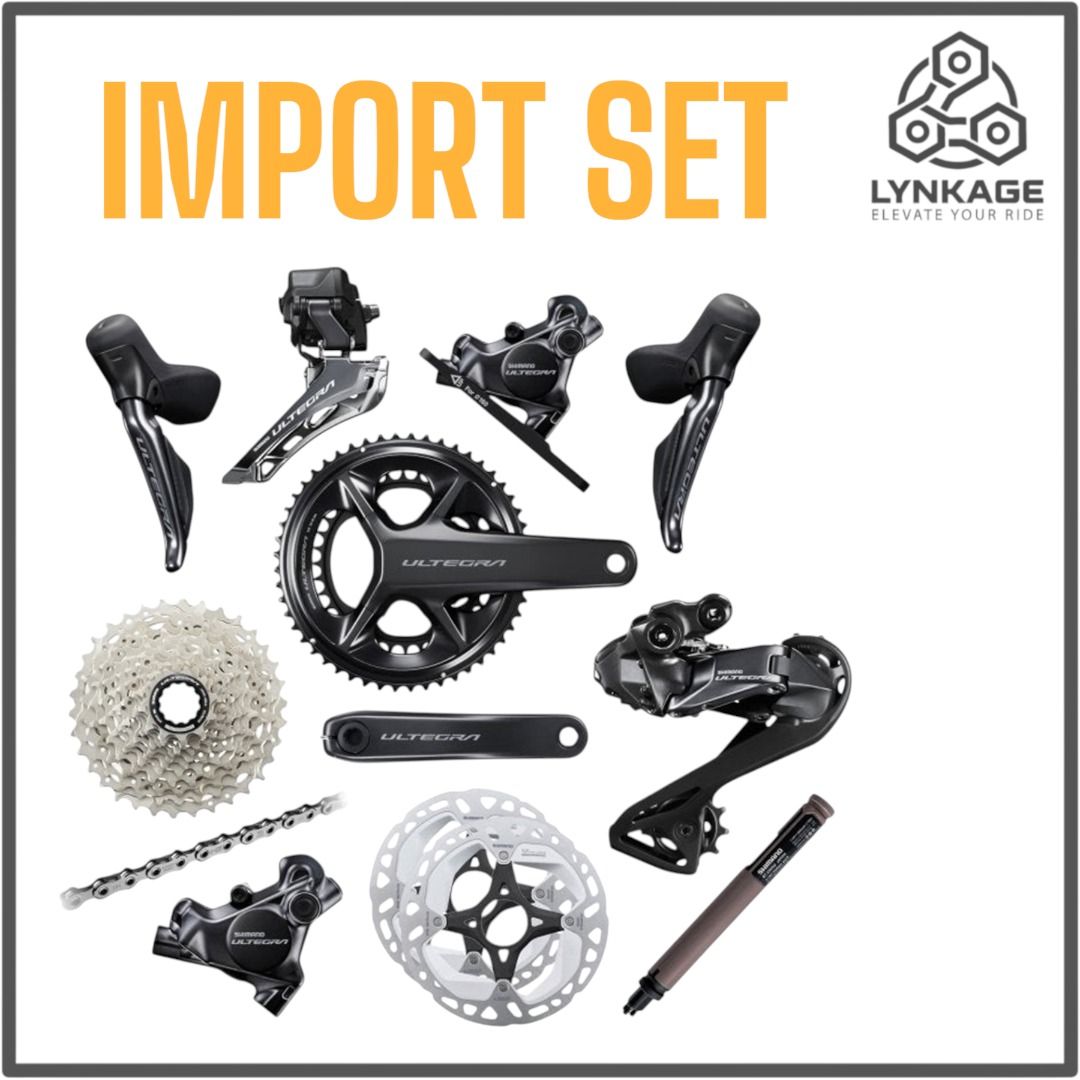
Shimano Ultegra R8170 12 speed di2 groupset
groupsets
Shimano
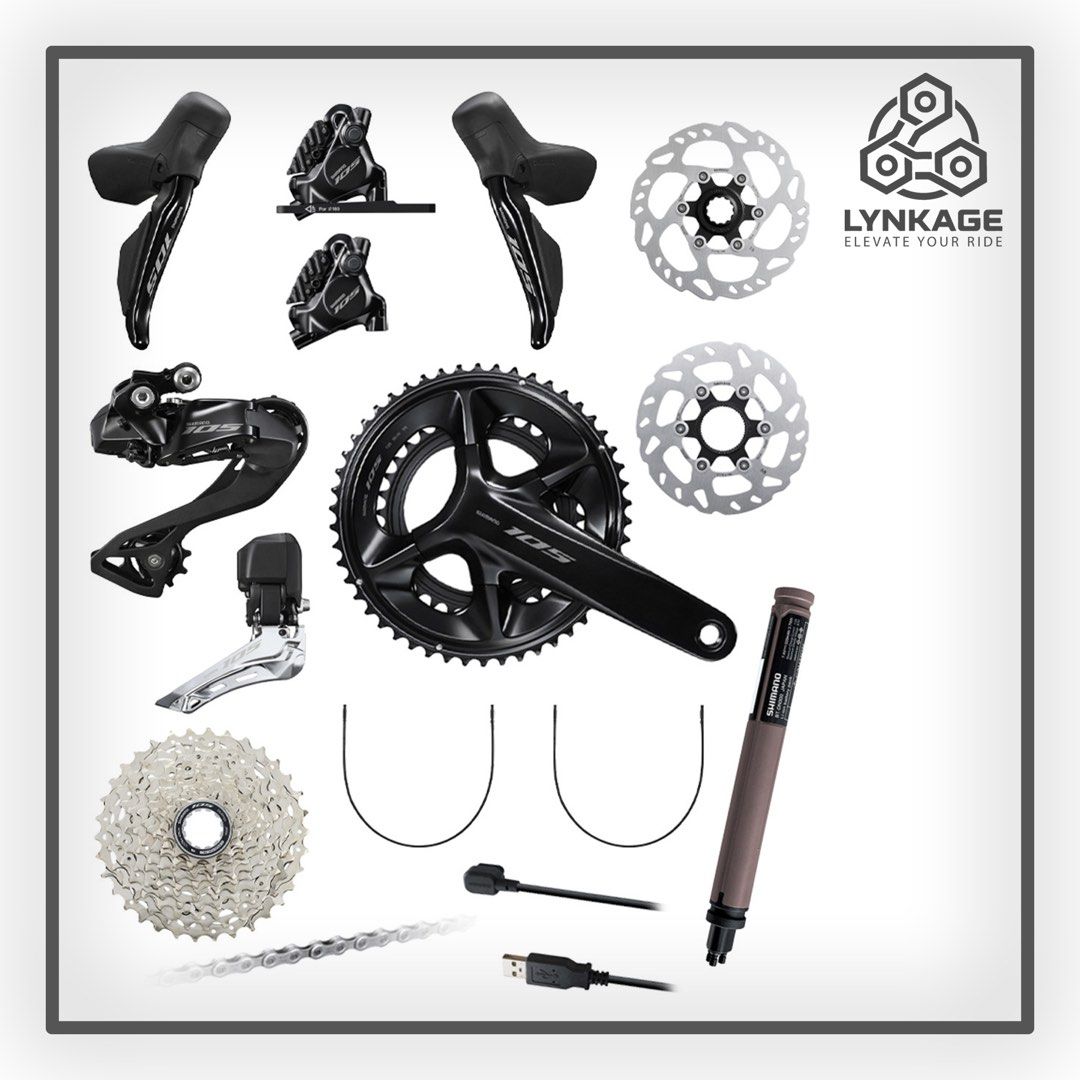
Shimano 105 Di2 R7170 12 speed Groupset
groupsets
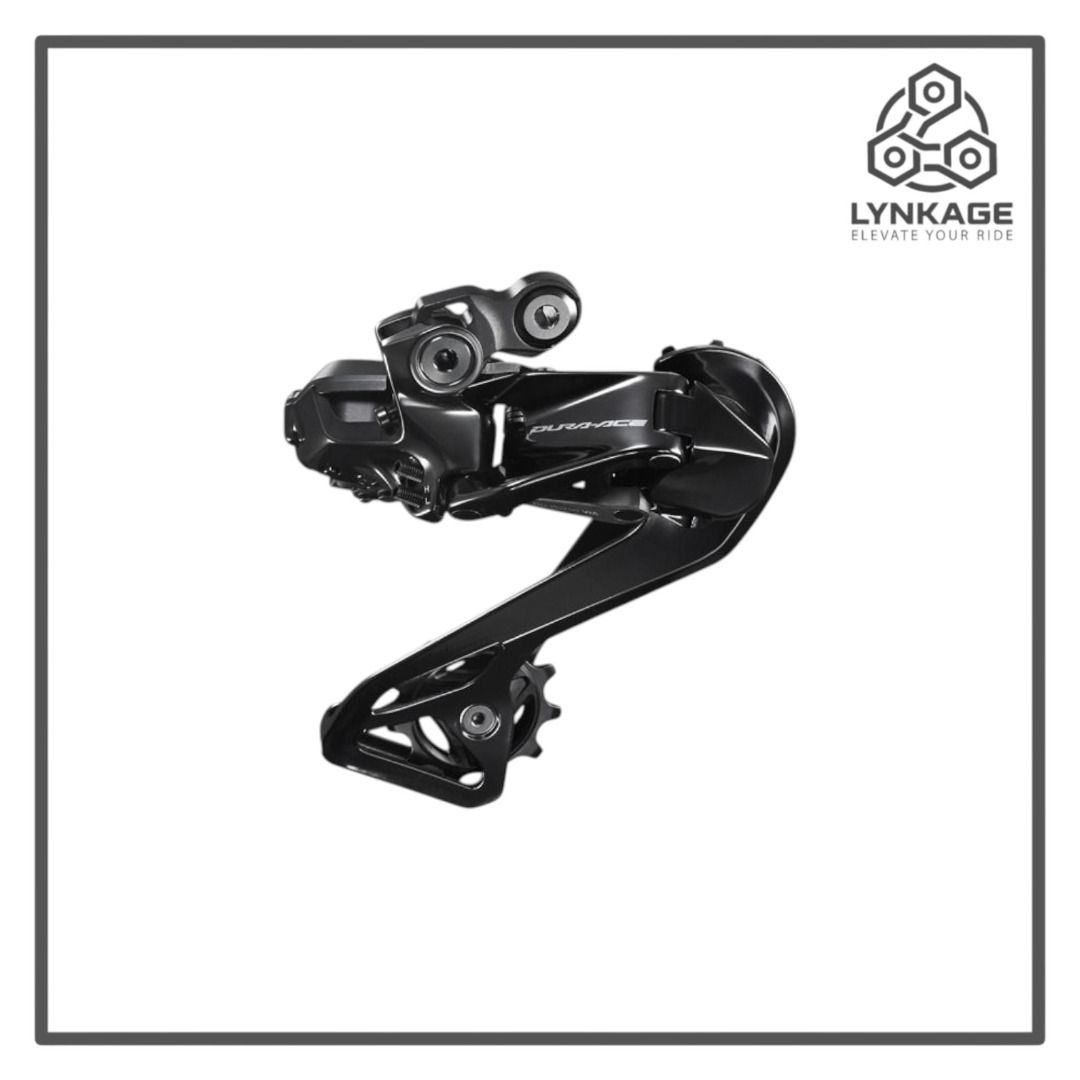
Shimano
Shimano Dura Ace R9270 Rear Derailleur RD
derailleurs
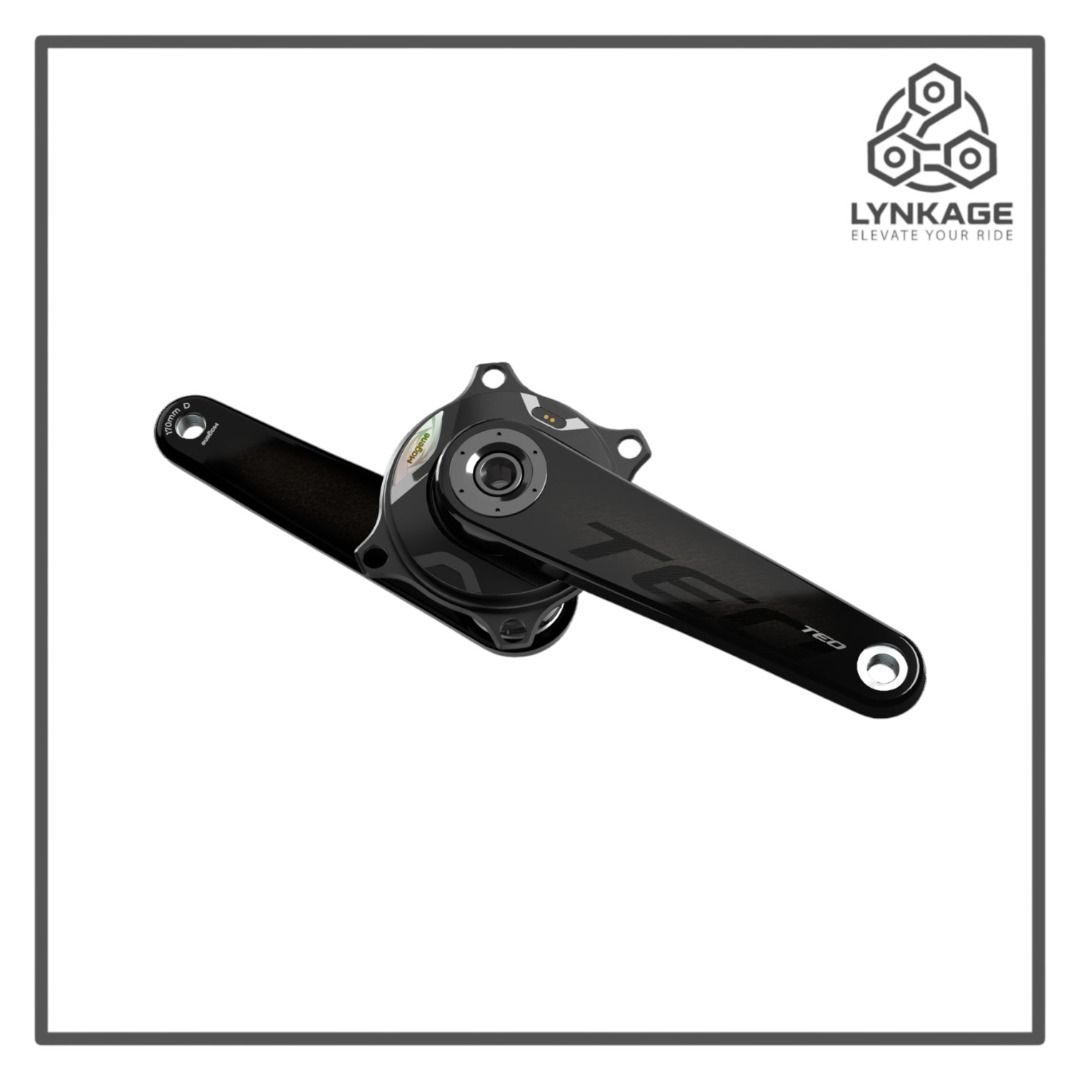
Magene
Magene TEO P515 Carbon Powermeter Crankset
cranksets
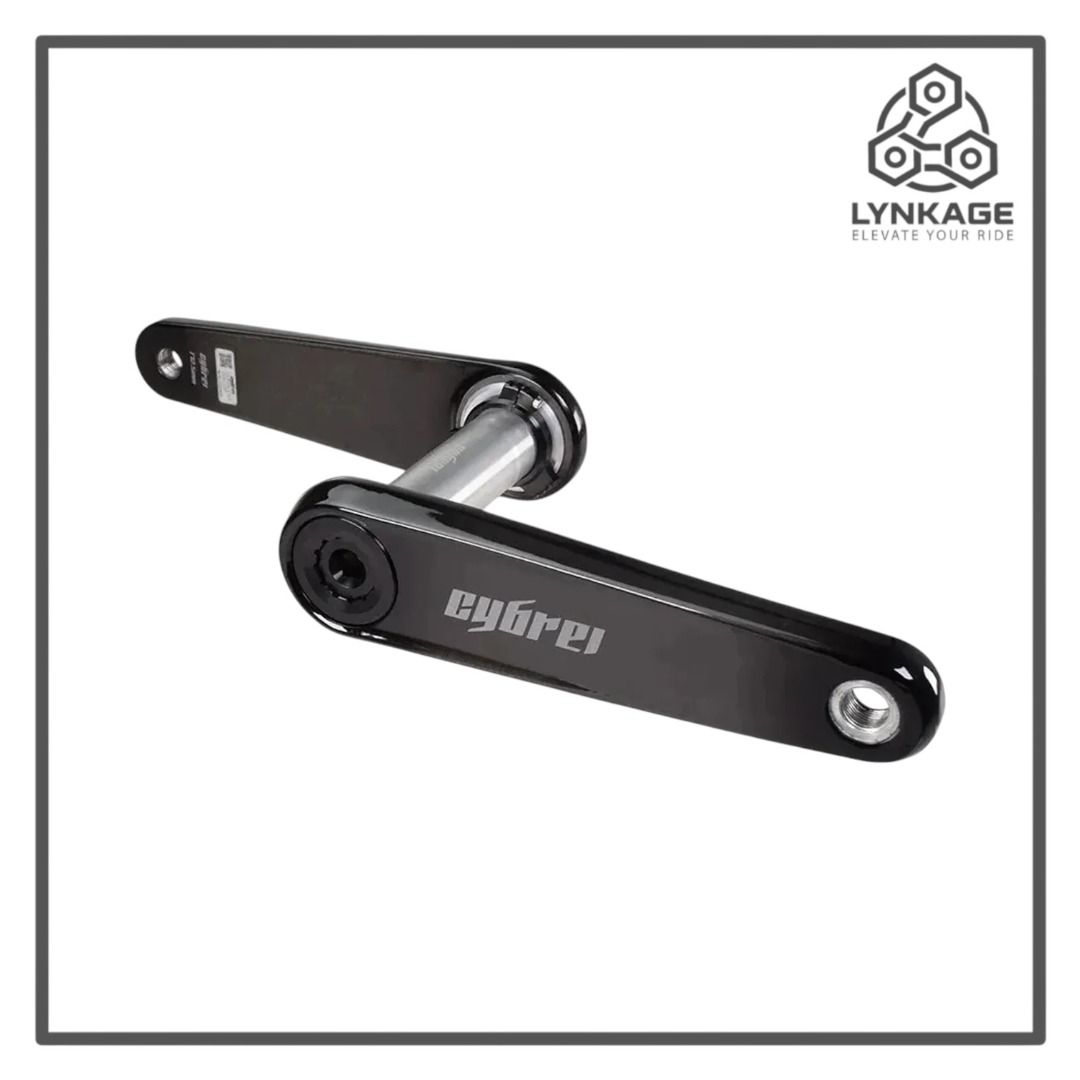
CYBREI
Cybrei GP-3 Carbon Crankarm Assembly
cranksets
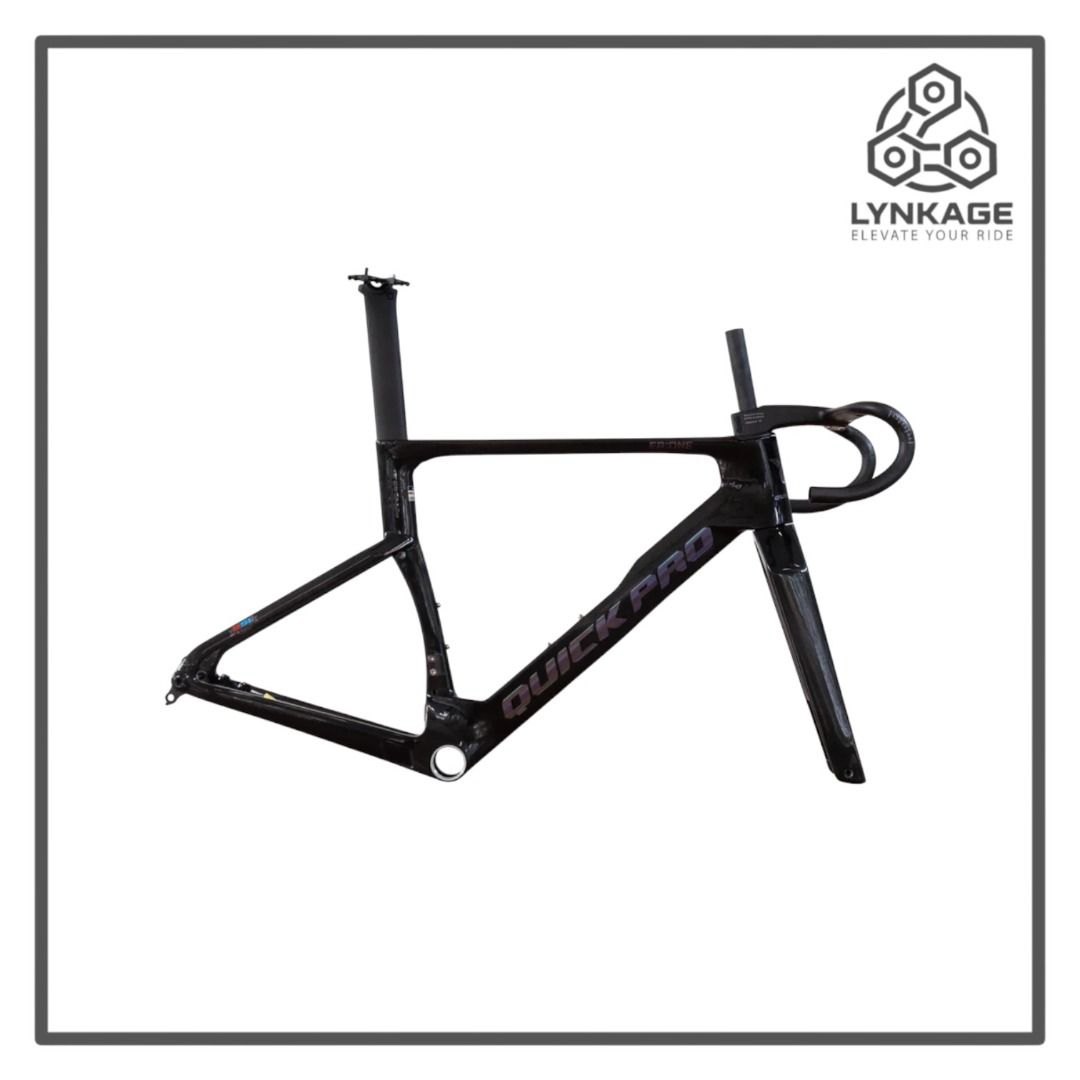
Quickpro
Quickpro ER:One Carbon Aero Road Frameset
road-frames
Related guides
Shimano vs SRAM: which groupset is right for you?
Both make excellent road, gravel, and MTB groupsets. The right choice depends on shifting feel, ecosystem, and budget — not raw performance.
Di2 vs eTap: electronic shifting compared
Shimano Di2 and SRAM eTap (AXS) both shift electronically but take different approaches. Here's what to weigh.
11-speed vs 12-speed drivetrains: is the upgrade worth it?
Going from 11- to 12-speed gives you more gear range or smaller steps, but it means new wheels, cassette, chain, and derailleur. Here's how to weigh it.
Tubeless vs tubed tyres: which is right for you?
Tubeless offers better puncture protection and ride feel, but takes more setup care. Tubed is simpler. Here's when each makes sense.