
Carbon vs alloy wheels: which is right for you?
Carbon wheels are lighter and aero-friendly; alloy is robust and easier to live with. Here's how to decide.
Wheel material choice affects weight, aerodynamics, ride feel, durability, and budget. Both modern carbon and alloy wheels can be excellent — the right choice depends mostly on what you ride and how often.
This is a general overview. Quality varies hugely between brands; cheap carbon is not automatically better than mid-tier alloy.
At a glance
| Carbon | Alloy | |
|---|---|---|
| Weight | Lower for the same depth/strength | Heavier |
| Aero | Better at deeper rim depths | Less aero |
| Ride feel | Stiffer, can feel harsher in some builds | Smoother absorption |
| Durability | Can crack on impact (especially light builds) | Robust; often dent rather than fail catastrophically |
| Brake performance (rim brake) | Different feel — needs carbon-specific pads | More consistent, especially in wet |
| Cost | Higher | Lower |
| Repairability | Limited | Spokes/rims can be replaced or rebuilt |
Where carbon tends to win
- Race day and fast group rides. The aero and weight advantages are measurable.
- Climbing-focused builds where shallow carbon wheels offer real weight savings.
- Long event riding where small efficiencies stack up.
Where alloy tends to win
- Daily training and commuting. Robustness and cost matter.
- Wet, hilly riding with rim brakes. Rim brake performance is more consistent on alloy.
- Bikepacking and adventure. Reliability is more valuable than weight.
- First wheel upgrade. A good mid-tier alloy wheel is a meaningful jump from stock without large risk.
A note on disc brakes
With disc brakes, the rim no longer has to handle braking forces, so rim material matters less for braking. Carbon disc wheels are widely used; alloy disc wheels remain a strong choice for value.
Common mistakes
- Going too deep in windy conditions. Crosswinds matter — Singapore is mostly fine, but exposed routes can be sketchy.
- Buying cheap carbon. Low-tier carbon wheels can underperform mid-tier alloy.
- Ignoring hub and freehub quality. Headline rim weight isn't the whole story.
Browse our wheel range or chat with us about your priorities.
Shop the products mentioned
View all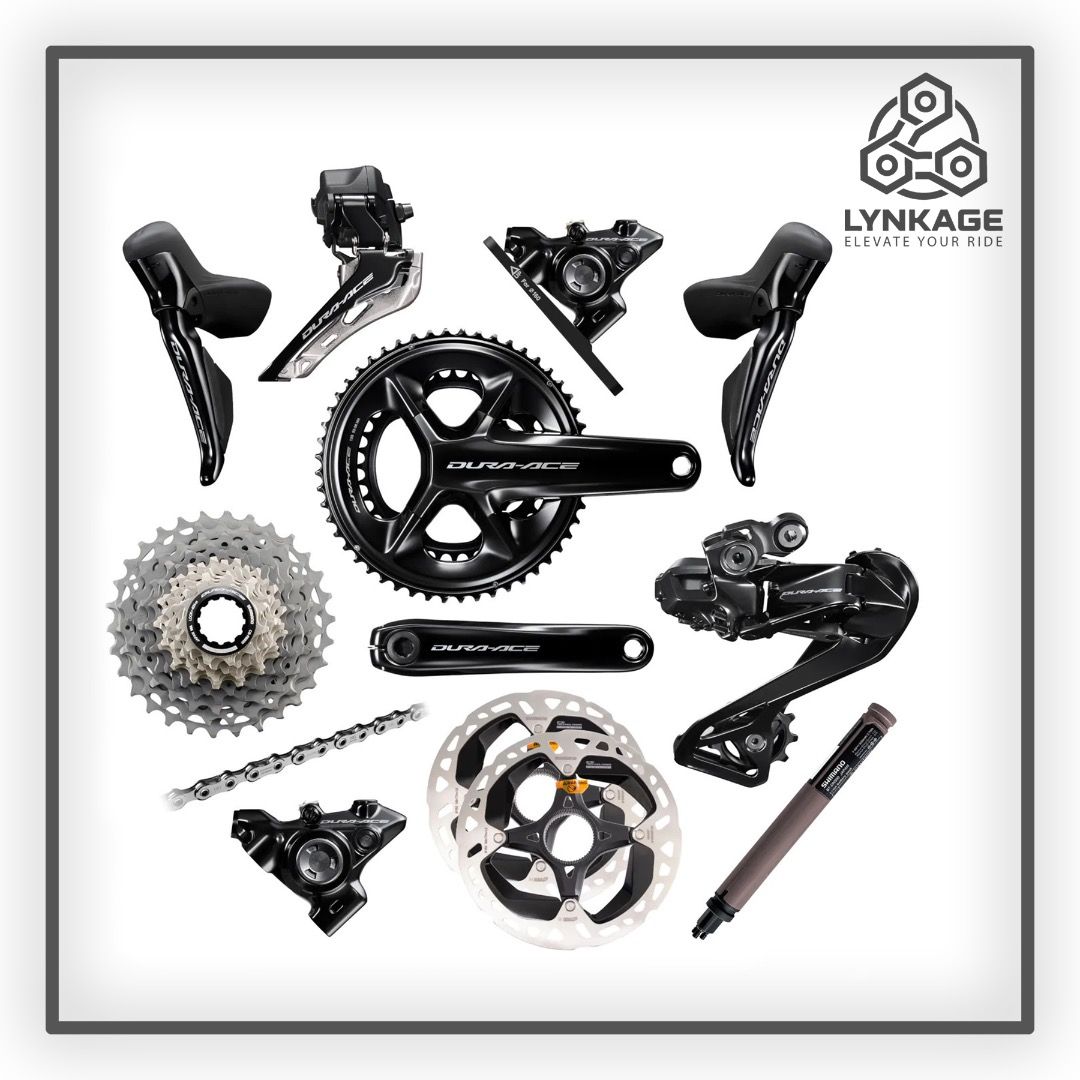
Shimano
Shimano Dura Ace R9270 di2 12 speed groupset
groupsets
Shimano
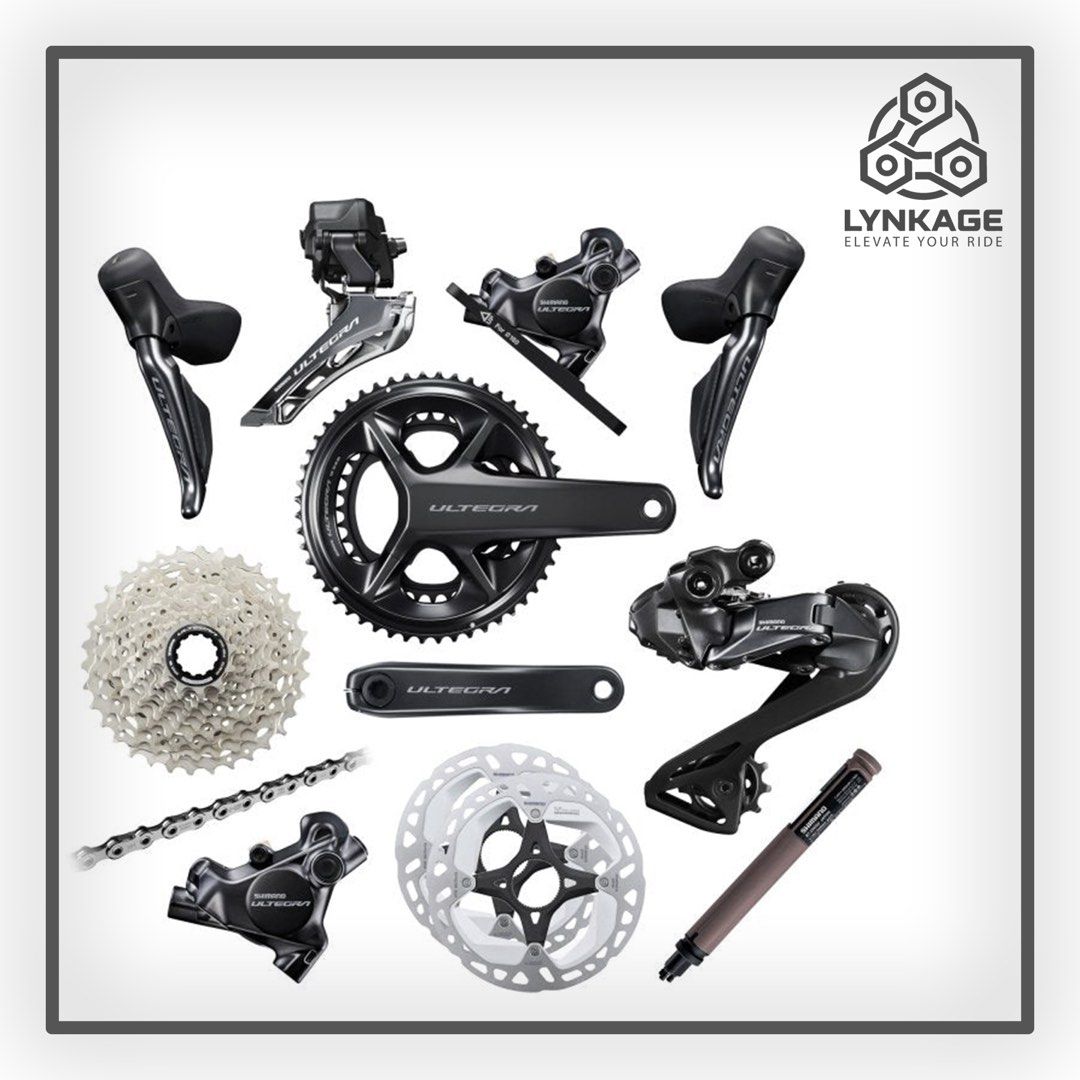
Shimano Ultegra R8170 12 speed di2 groupset
groupsets
Shimano
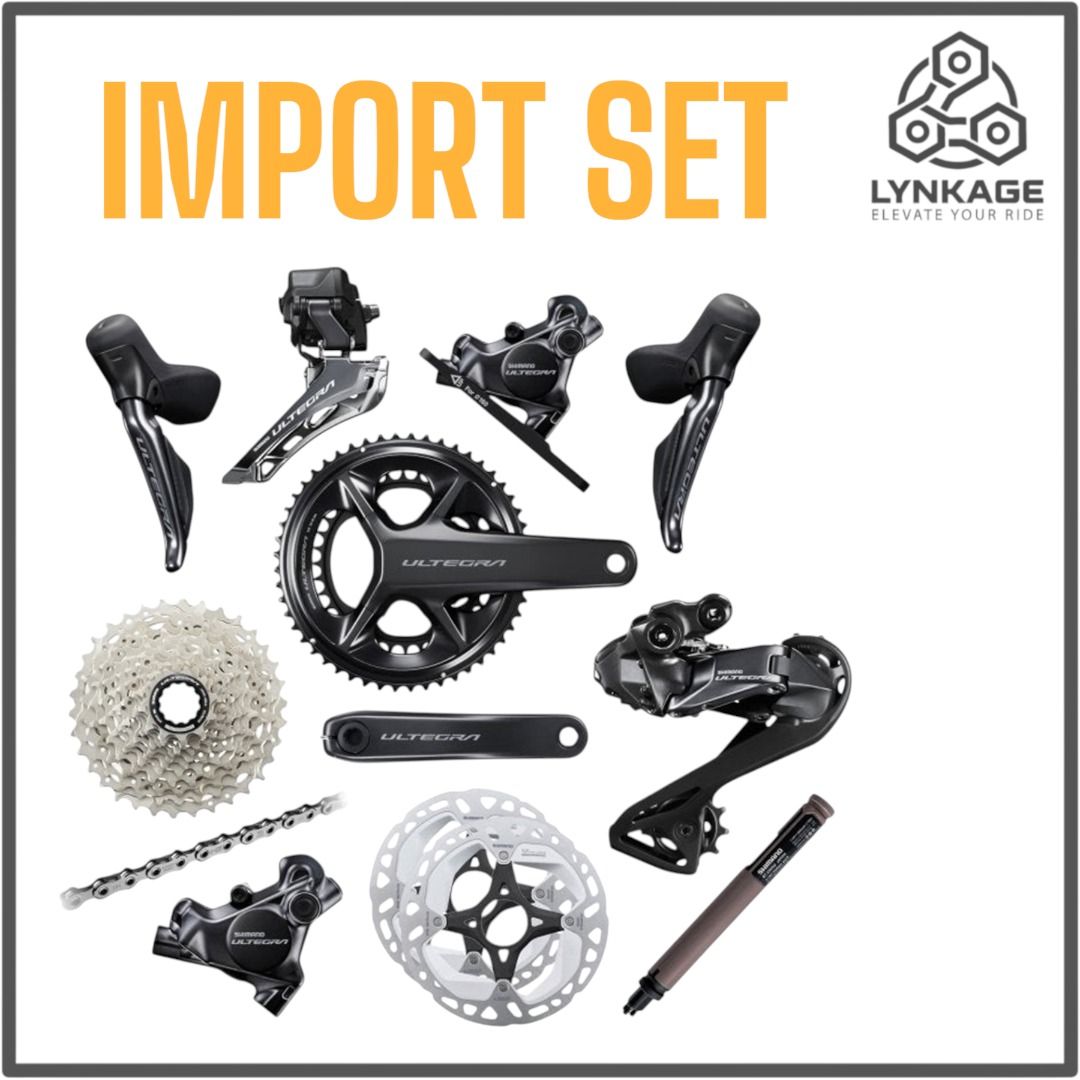
Shimano Ultegra R8170 12 speed di2 groupset
groupsets
Shimano
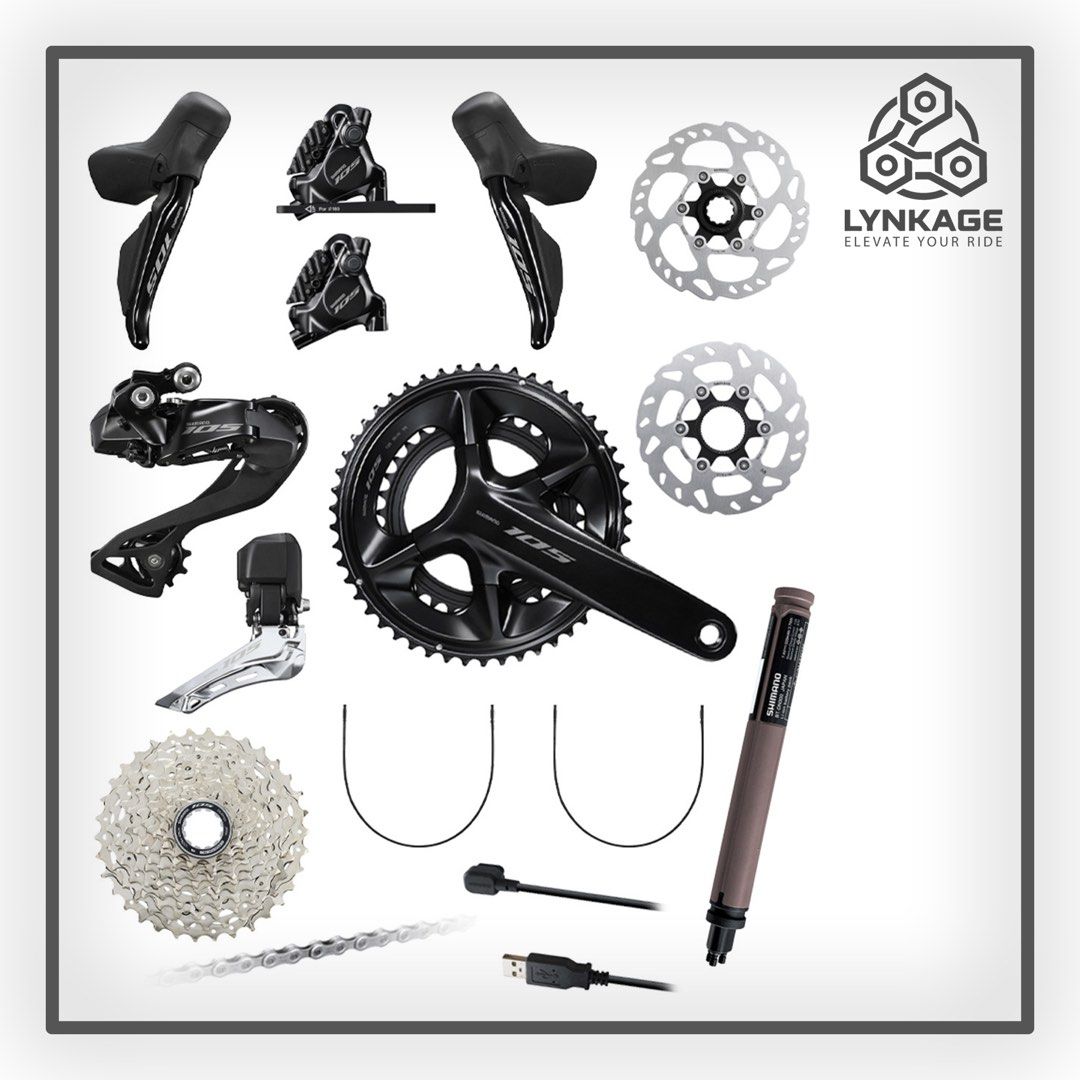
Shimano 105 Di2 R7170 12 speed Groupset
groupsets
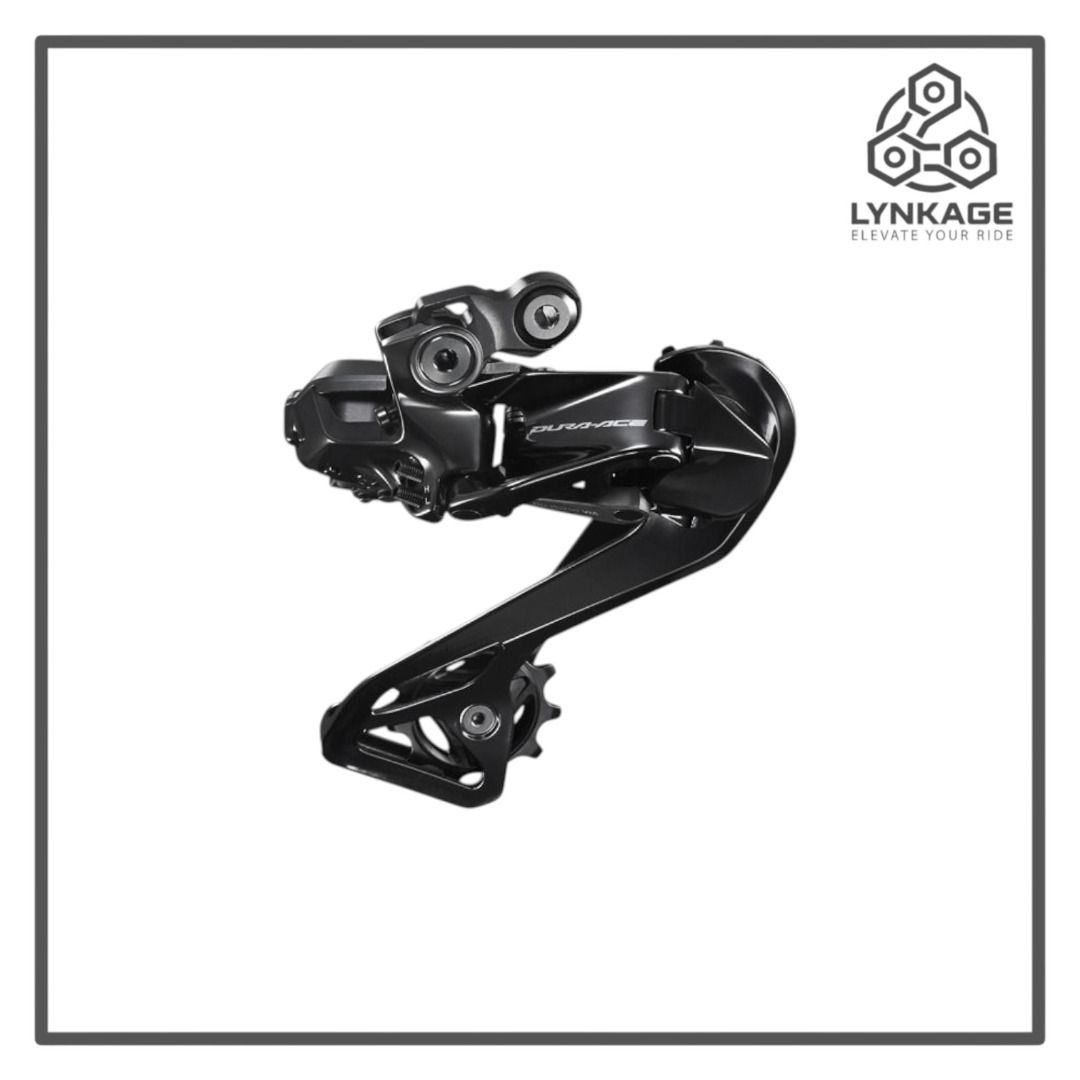
Shimano
Shimano Dura Ace R9270 Rear Derailleur RD
derailleurs
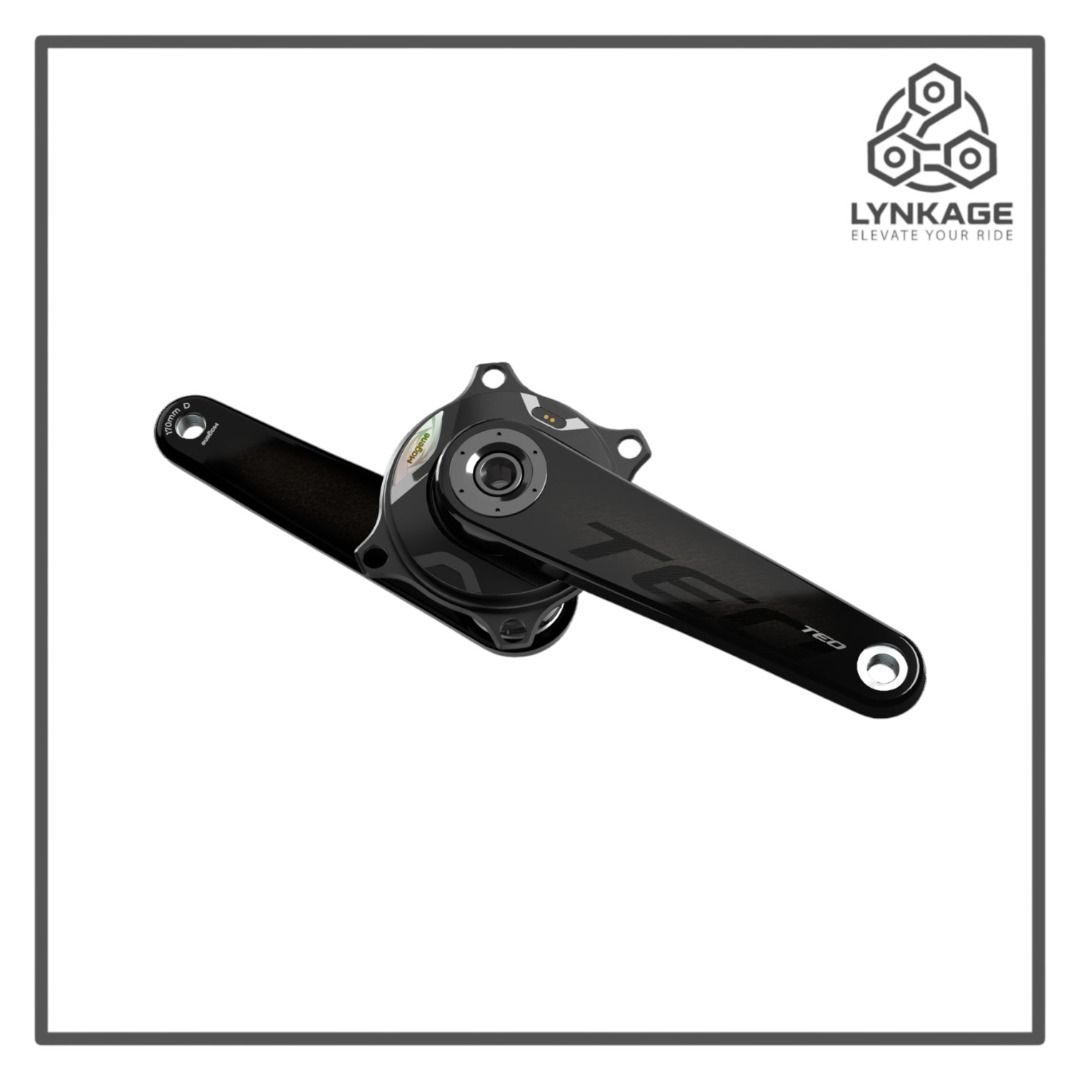
Magene
Magene TEO P515 Carbon Powermeter Crankset
cranksets
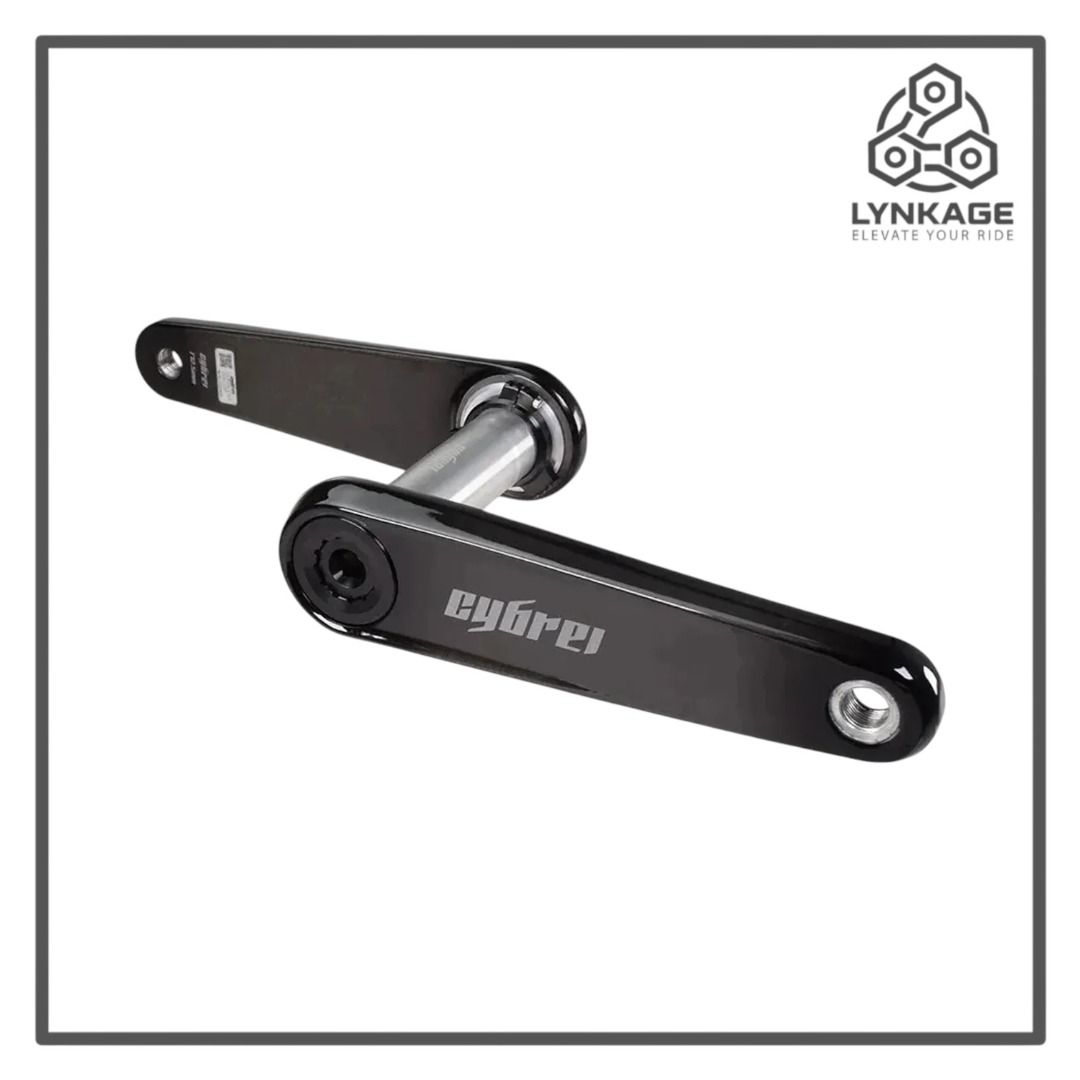
CYBREI
Cybrei GP-3 Carbon Crankarm Assembly
cranksets
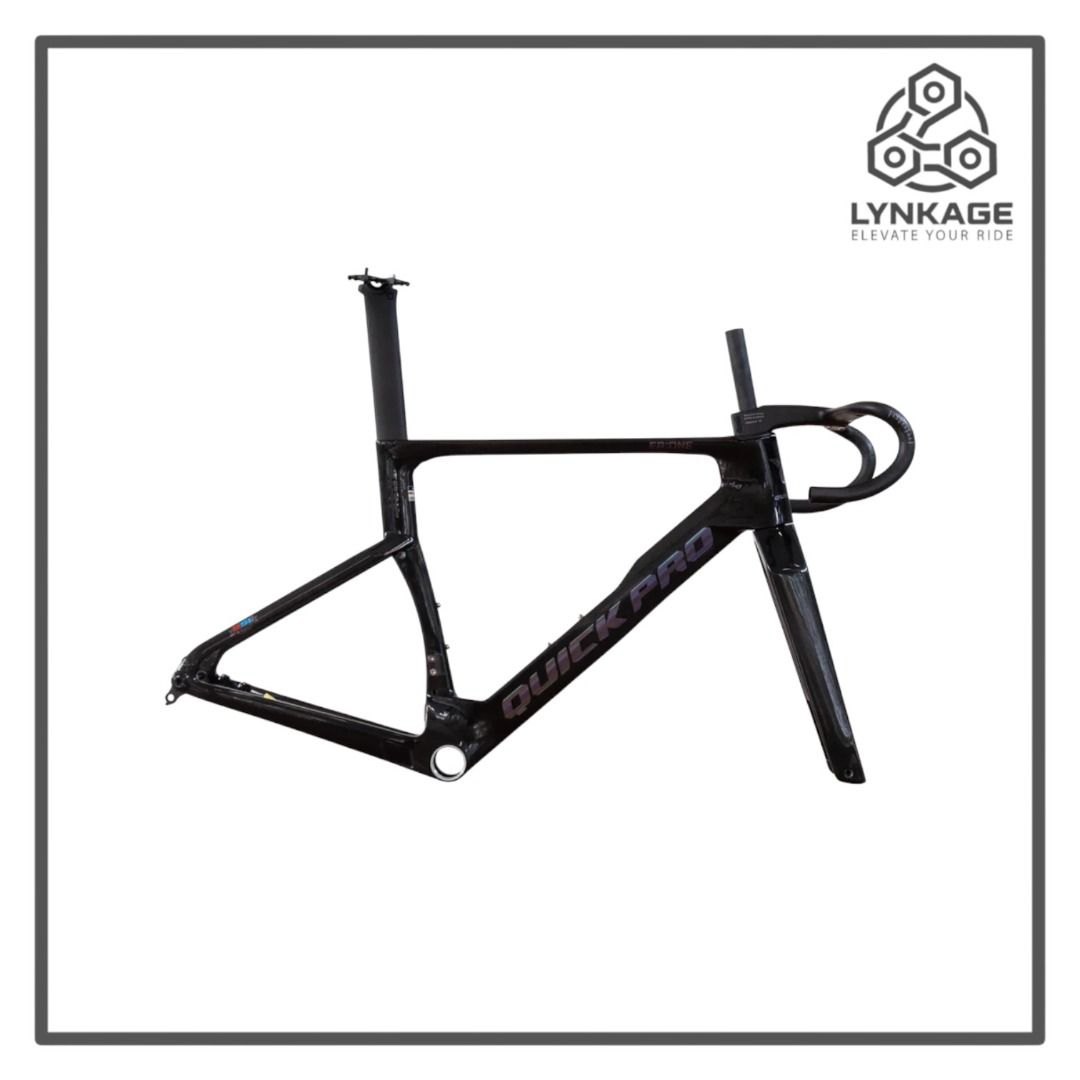
Quickpro
Quickpro ER:One Carbon Aero Road Frameset
road-frames
Related guides
Shimano vs SRAM: which groupset is right for you?
Both make excellent road, gravel, and MTB groupsets. The right choice depends on shifting feel, ecosystem, and budget — not raw performance.
Di2 vs eTap: electronic shifting compared
Shimano Di2 and SRAM eTap (AXS) both shift electronically but take different approaches. Here's what to weigh.
11-speed vs 12-speed drivetrains: is the upgrade worth it?
Going from 11- to 12-speed gives you more gear range or smaller steps, but it means new wheels, cassette, chain, and derailleur. Here's how to weigh it.
Tubeless vs tubed tyres: which is right for you?
Tubeless offers better puncture protection and ride feel, but takes more setup care. Tubed is simpler. Here's when each makes sense.