
1x vs 2x drivetrain: which is right for you?
1x is simpler and quieter; 2x has tighter gear steps and wider total range. Here's how to choose for road, gravel, or commuting.
1x ("one-by") drivetrains use a single chainring up front and a wide-range cassette in the back. 2x uses two chainrings and a narrower cassette range. Both can cover similar total gearing — the difference is in step size, simplicity, and feel.
This is a general overview. Specific gearing depends on the chainring + cassette combination.
At a glance
| 1x | 2x | |
|---|---|---|
| Front shifting | None | Yes (front derailleur) |
| Gear steps | Larger jumps | Tighter steps |
| Total range | Set by cassette | Wider via combined chainring + cassette |
| Mechanical simplicity | Higher (no front derailleur) | More moving parts |
| Chain retention | Better with clutch RD + narrow-wide ring | Standard |
| Noise | Quieter | Slightly more drivetrain noise |
| Q-factor / chainline | Often optimised | Standard |
Where 1x tends to win
- Gravel and MTB. Chain retention on rough terrain matters; front shifting under load can be problematic.
- Commuters / city bikes where simplicity is valuable.
- Riders who don't mind larger gear gaps.
Where 2x tends to win
- Long road rides where you want to fine-tune cadence.
- Steep terrain with high speed sections where total range matters more than tight steps.
- Riders who care about smooth gear transitions.
Real-world considerations
- Gear range gaps with 1x become more noticeable on flat group rides at speed.
- Front shift quality has improved hugely on modern 2x — the historical reasons to avoid it are weaker than they once were.
- Crank choice is constrained by which standard you choose.
Common mistakes
- Switching to 1x without checking your typical cadence range. If you ride at varied speeds, you'll feel the gaps.
- Switching to 2x without addressing chain retention for off-road use.
- Ignoring chainline. Extreme cross-chaining wears the drivetrain faster on either system.
Browse drivetrain components or send us your terrain — we'll help spec the right setup.
Shop the products mentioned
View all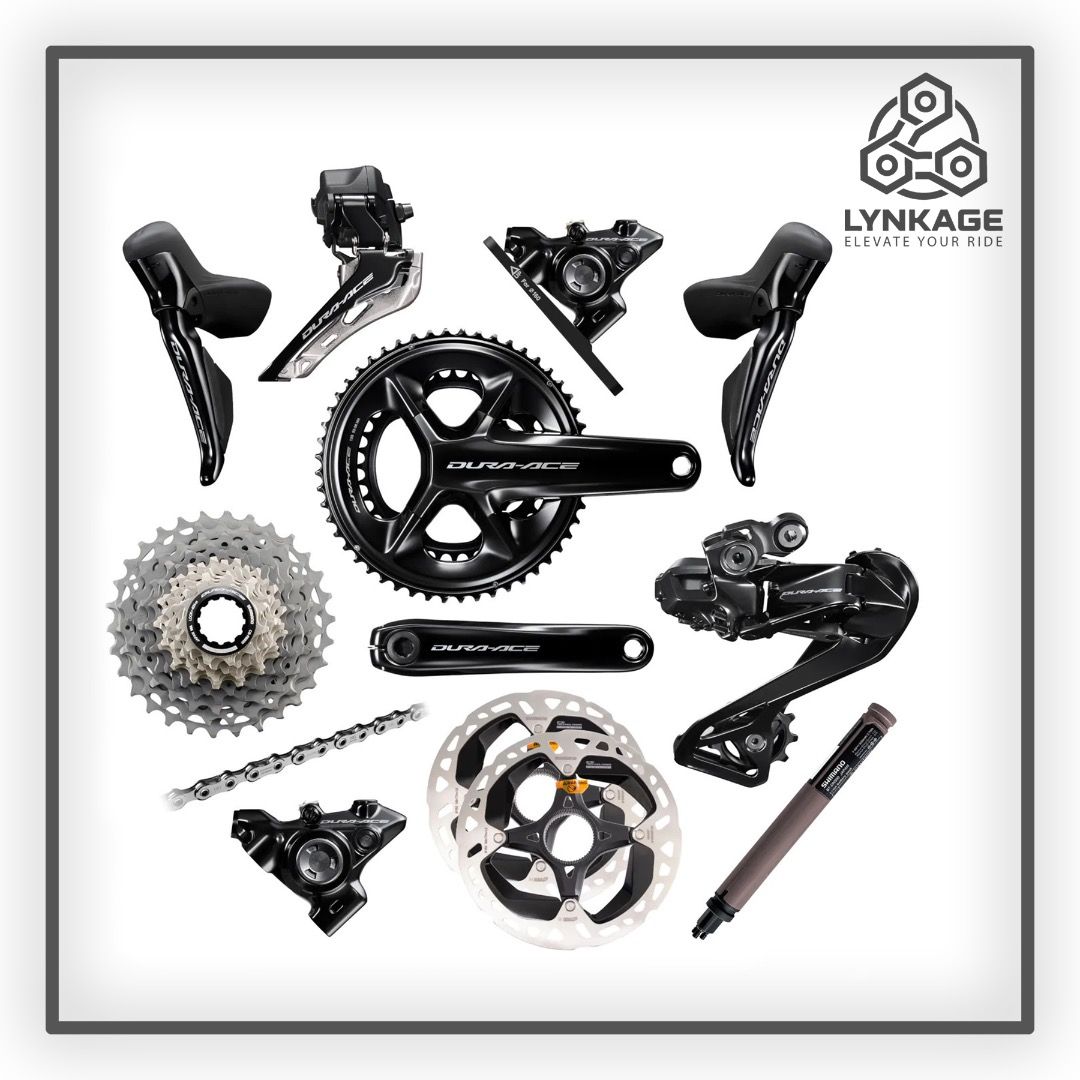
Shimano
Shimano Dura Ace R9270 di2 12 speed groupset
groupsets
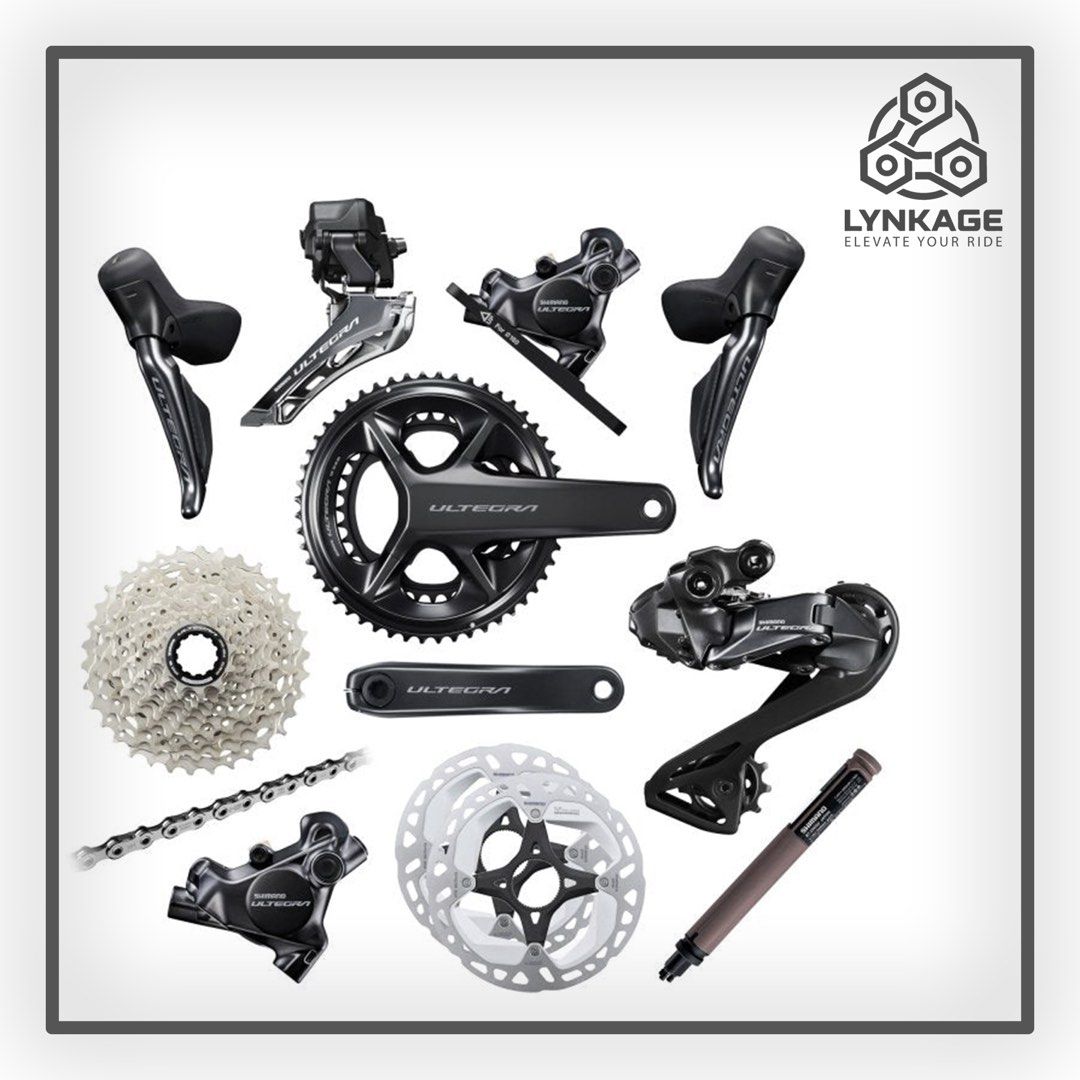
Shimano
Shimano Ultegra R8170 12 speed di2 groupset
groupsets
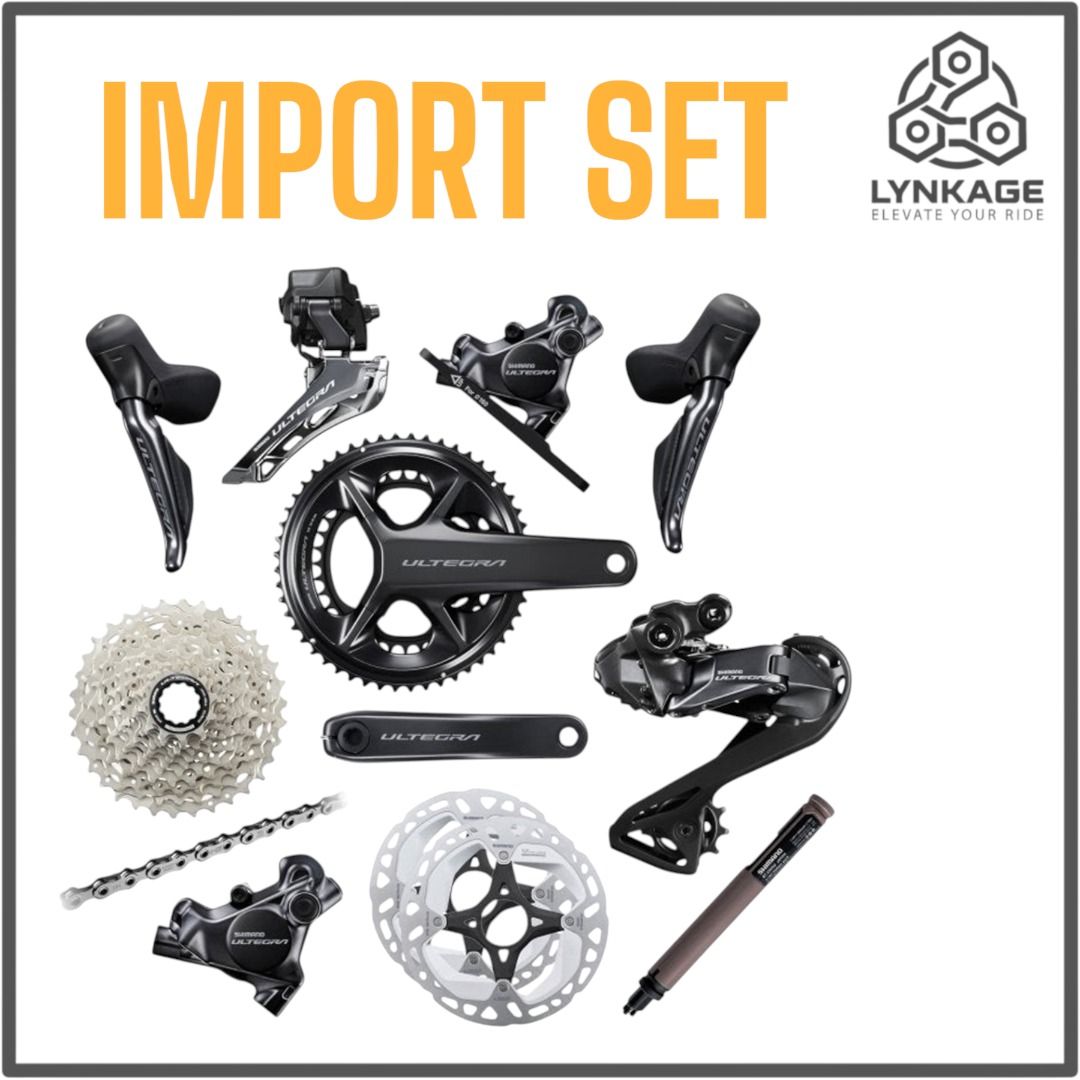
Shimano
Shimano Ultegra R8170 12 speed di2 groupset
groupsets
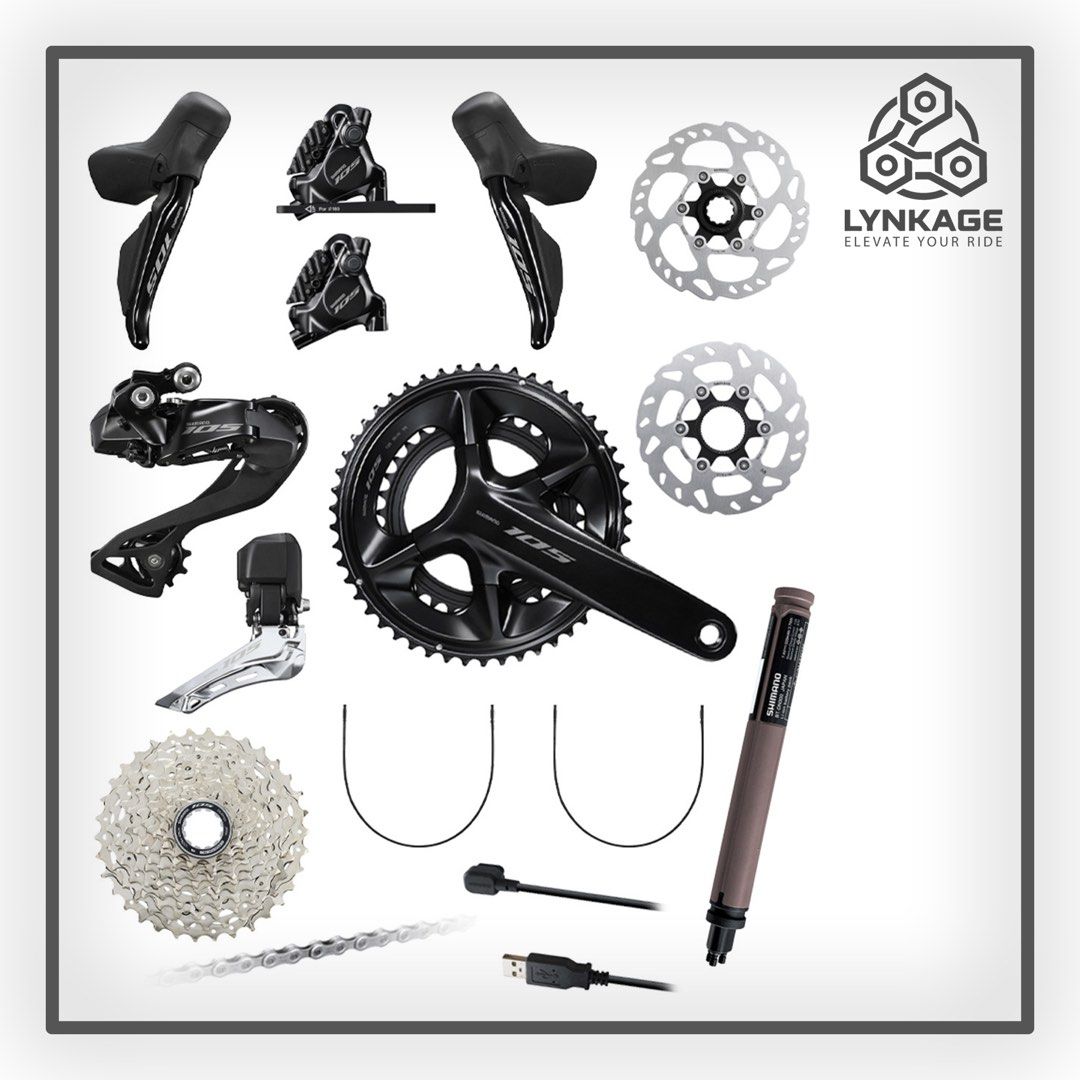
Shimano
Shimano 105 Di2 R7170 12 speed Groupset
groupsets
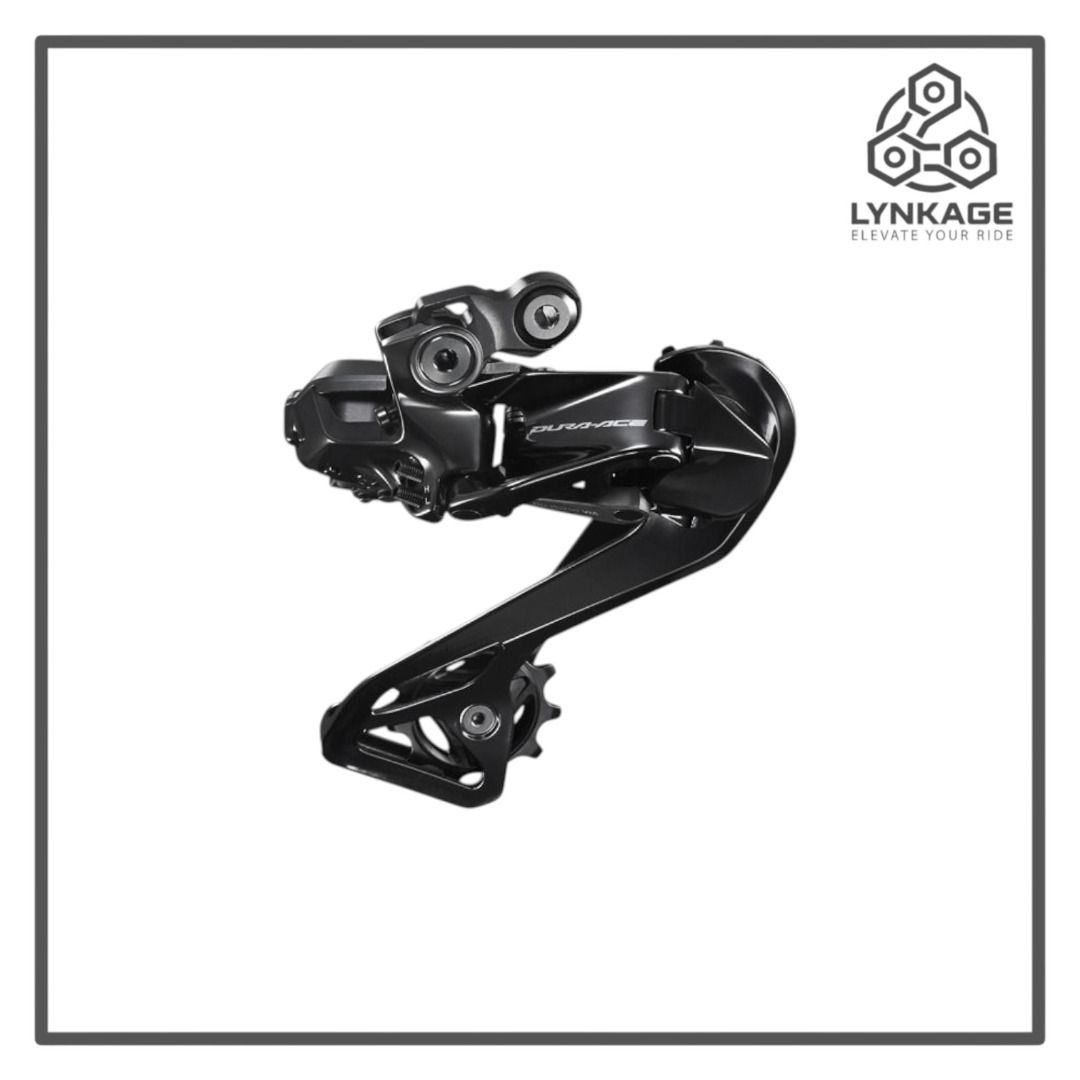
Shimano
Shimano Dura Ace R9270 Rear Derailleur RD
derailleurs
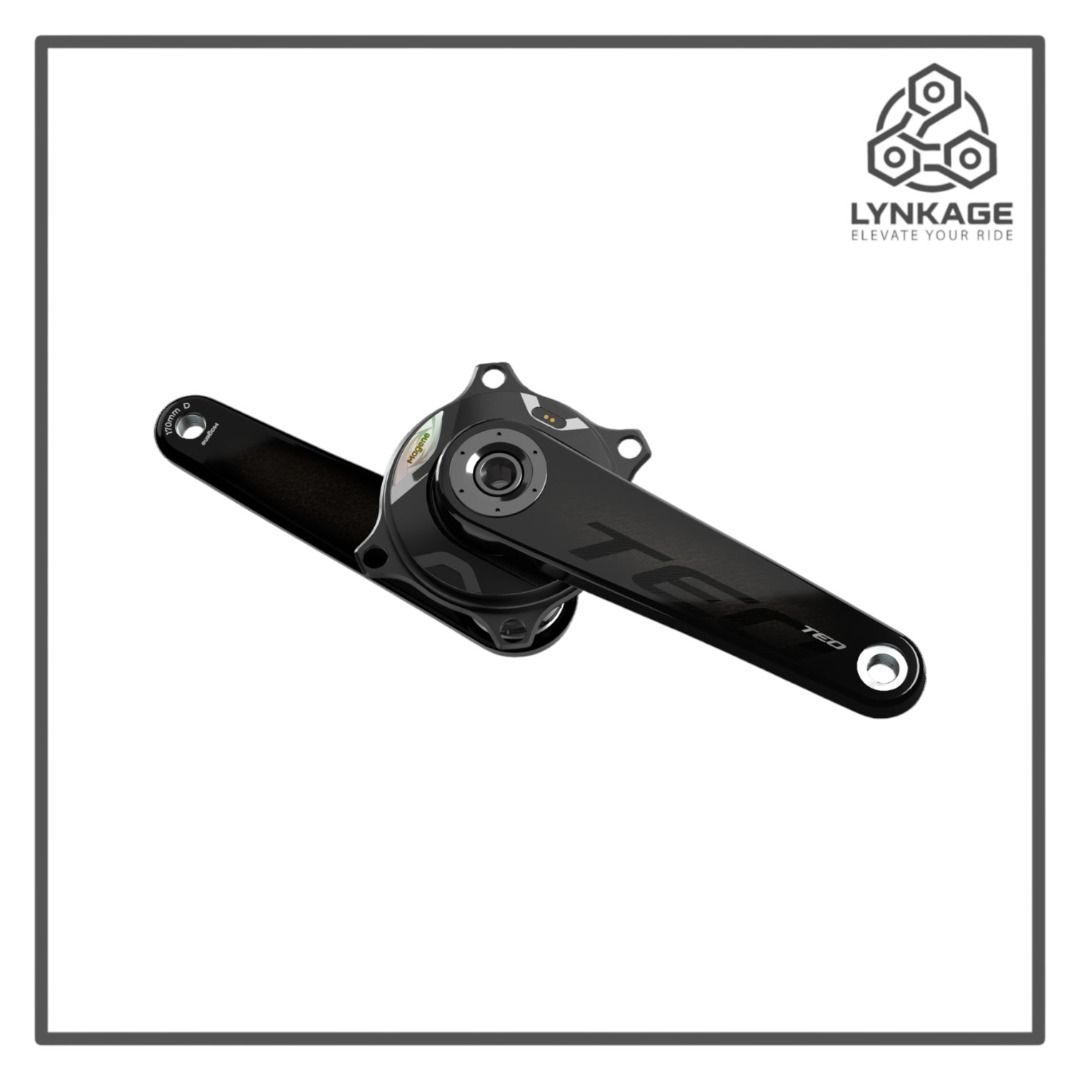
Magene
Magene TEO P515 Carbon Powermeter Crankset
cranksets
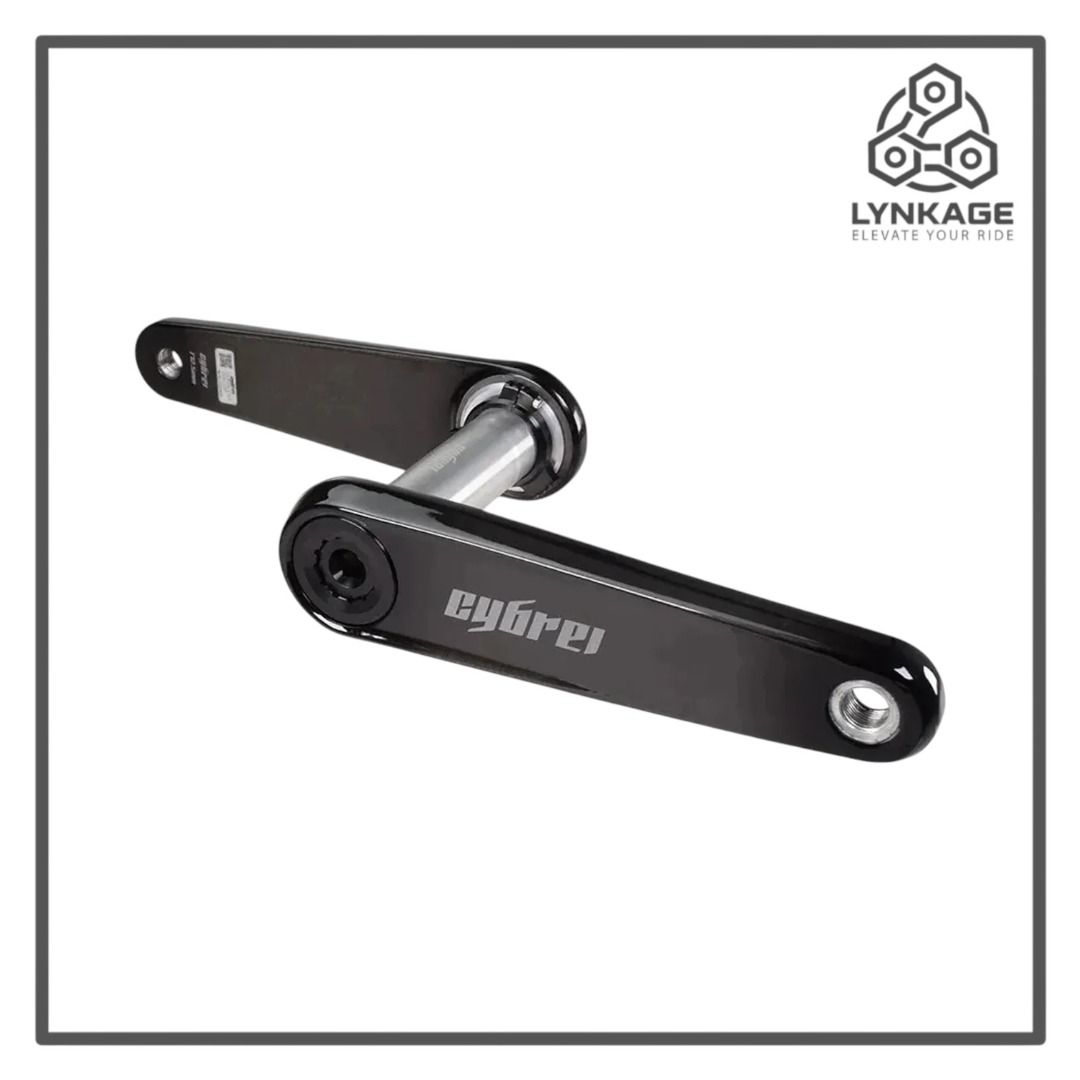
CYBREI
Cybrei GP-3 Carbon Crankarm Assembly
cranksets
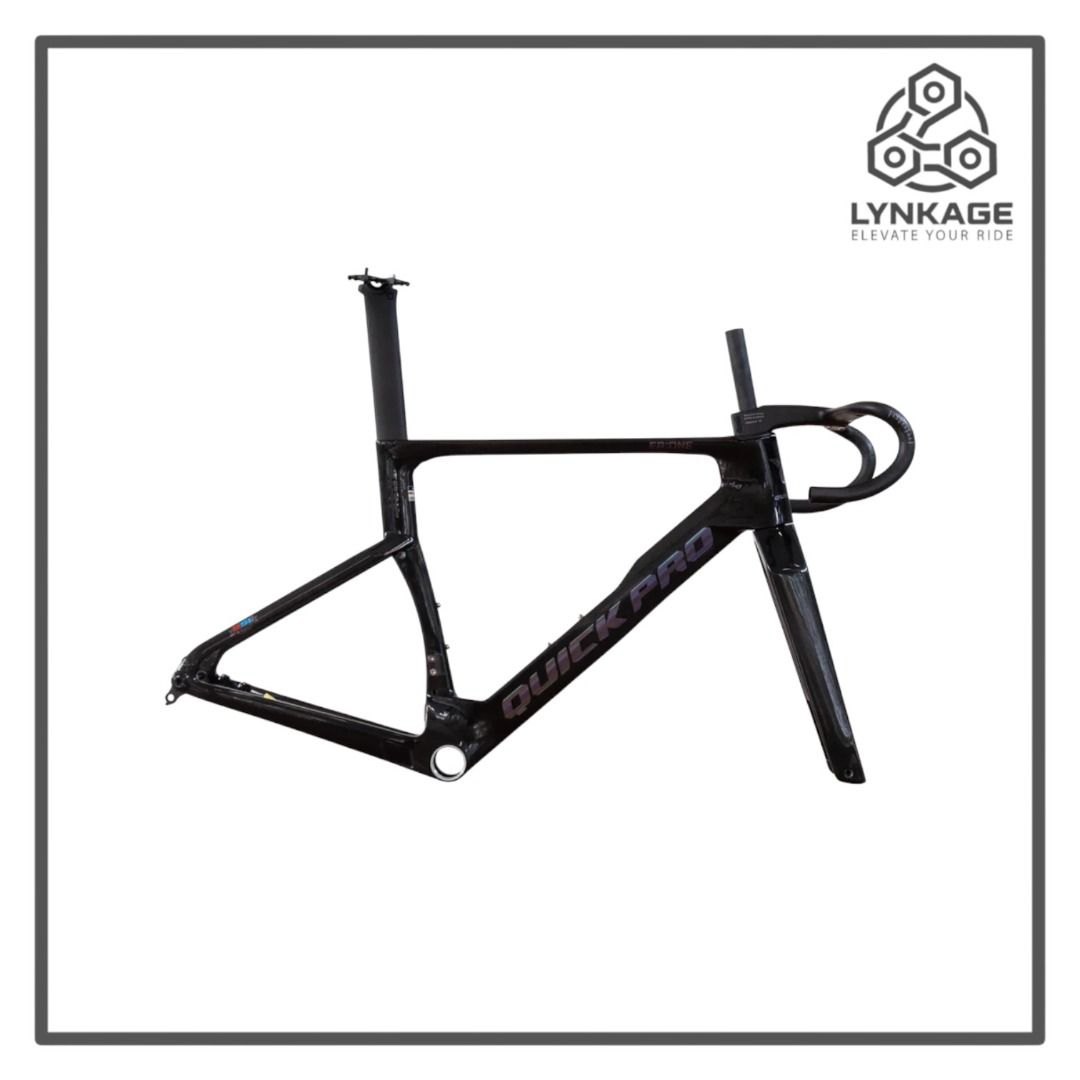
Quickpro
Quickpro ER:One Carbon Aero Road Frameset
road-frames
Related guides
Shimano vs SRAM: which groupset is right for you?
Both make excellent road, gravel, and MTB groupsets. The right choice depends on shifting feel, ecosystem, and budget — not raw performance.
Di2 vs eTap: electronic shifting compared
Shimano Di2 and SRAM eTap (AXS) both shift electronically but take different approaches. Here's what to weigh.
11-speed vs 12-speed drivetrains: is the upgrade worth it?
Going from 11- to 12-speed gives you more gear range or smaller steps, but it means new wheels, cassette, chain, and derailleur. Here's how to weigh it.
Tubeless vs tubed tyres: which is right for you?
Tubeless offers better puncture protection and ride feel, but takes more setup care. Tubed is simpler. Here's when each makes sense.