
How to choose a power meter
Pedals, cranks, spider, or hub — a brief look at the main power meter formats and what each one trades off.
A power meter measures the actual force you put into the pedals. It's the most accurate way to track training load and pace efforts. Picking the right format depends on how many bikes you have, your budget, and what you want to measure.
This is a general overview. Always confirm specific compatibility with your crank, frame, and pedal system.
The main formats
| Format | Where it sits | Pros | Cons |
|---|---|---|---|
| Pedal-based | The pedals | Easy to swap between bikes | Pedal choice fixed; cleat changes |
| Crank-arm | One or both crank arms | Mid-cost, integrates well | Crank-specific |
| Spider-based | The chainring spider | Very accurate, durable | Crank-specific |
| Bottom bracket / axle | Spindle/BB | Hidden, robust | Limited model availability |
| Rear hub | The hub | Total drivetrain power | Wheel-bound |
Single-sided or dual-sided?
- Single-sided measures one leg and doubles. Cheaper but assumes equal balance.
- Dual-sided measures both legs independently. More accurate, more useful for training.
For most riders new to power, single-sided is enough. Riders with significant L/R imbalance or returning from injury benefit more from dual-sided.
What to look for
- Accuracy spec (typically ±1–2%).
- Battery type (rechargeable vs coin cell).
- Connectivity (ANT+, Bluetooth, both).
- Compatibility with your existing crank, BB standard, and pedals.
- Temperature compensation for outdoor use.
How to think about it
- One bike, want to keep current pedals — crank-arm or spider.
- Multiple bikes — pedals, easy to swap.
- Already replacing the crank — spider-based is often the best value-for-accuracy.
Common mistakes
- Calibration neglect. Most power meters need a zero-offset before each ride.
- Comparing absolute numbers across brands without doing a known reference test.
- Assuming "more accurate" matters at training intensity. ±2% is fine for almost all training use.
Popular picks at Lynkage: Magene P515 Powermeter Crankset or Magene TEO P515 Carbon Powermeter Crankset for spider-based accuracy, and OVERFAST Aero Powermeter Crankset or OVERFAST Carbon Powermeter Crankset for value-per-watt. WhatsApp us for stock.
Shop the products mentioned
View all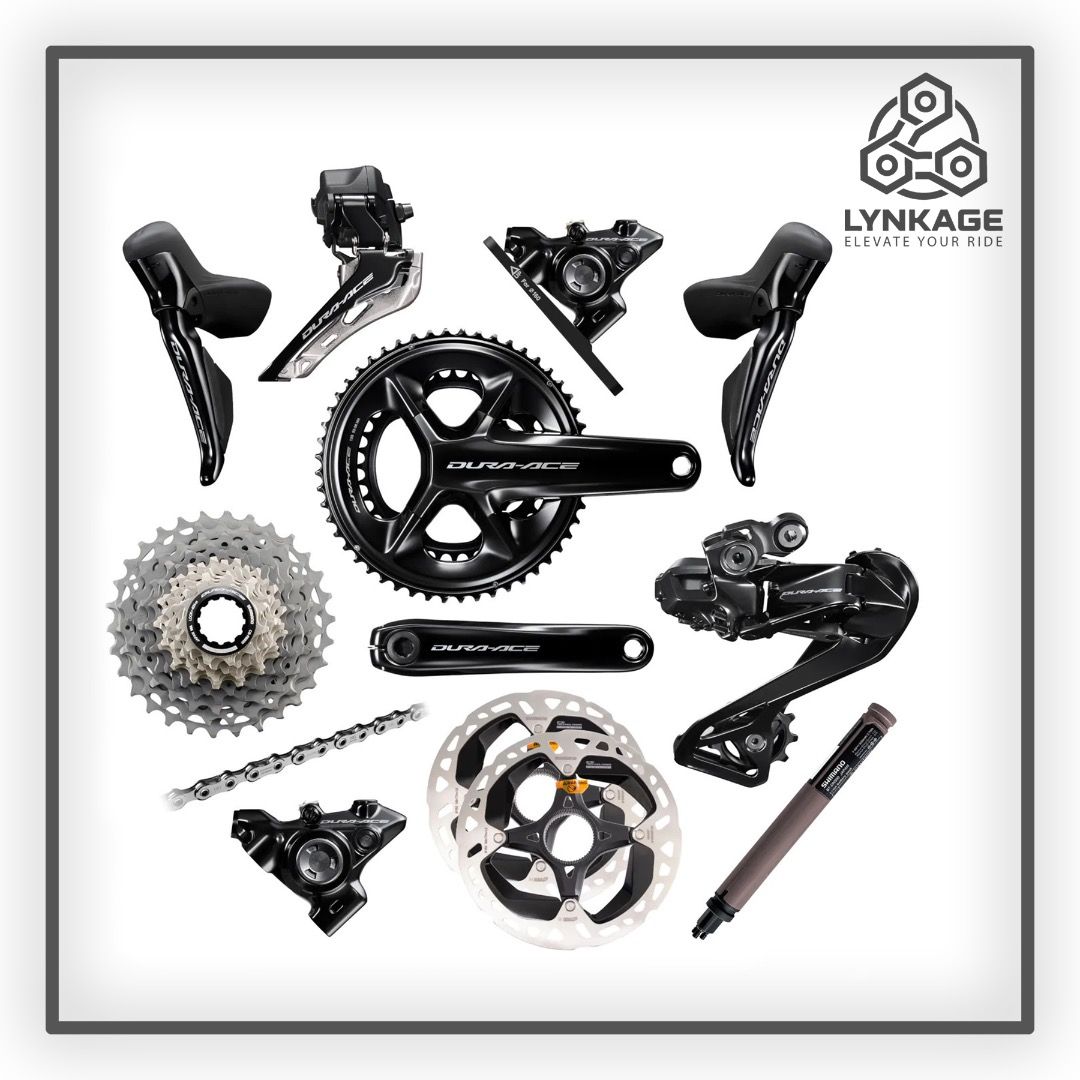
Shimano
Shimano Dura Ace R9270 di2 12 speed groupset
groupsets
Shimano
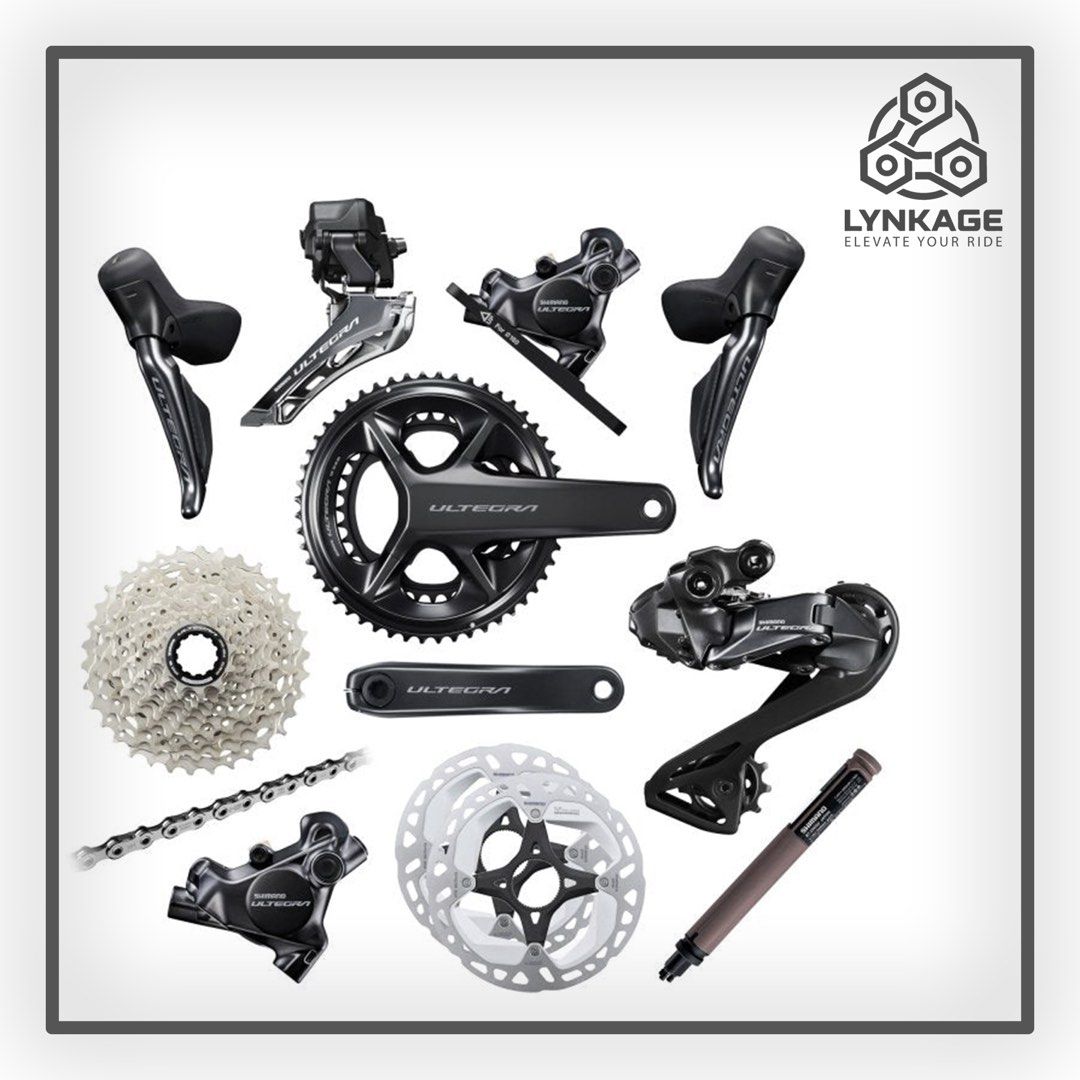
Shimano Ultegra R8170 12 speed di2 groupset
groupsets
Shimano
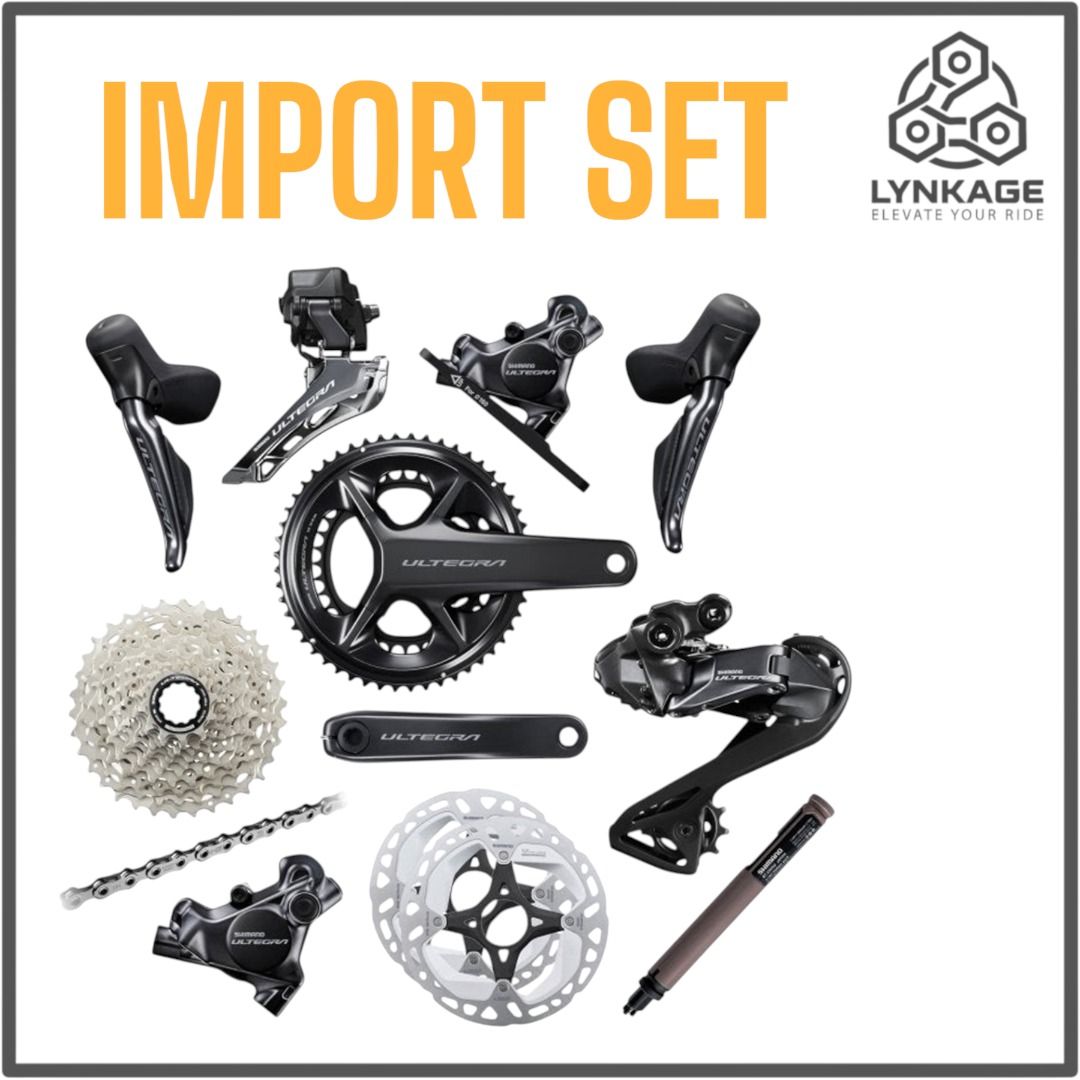
Shimano Ultegra R8170 12 speed di2 groupset
groupsets
Shimano
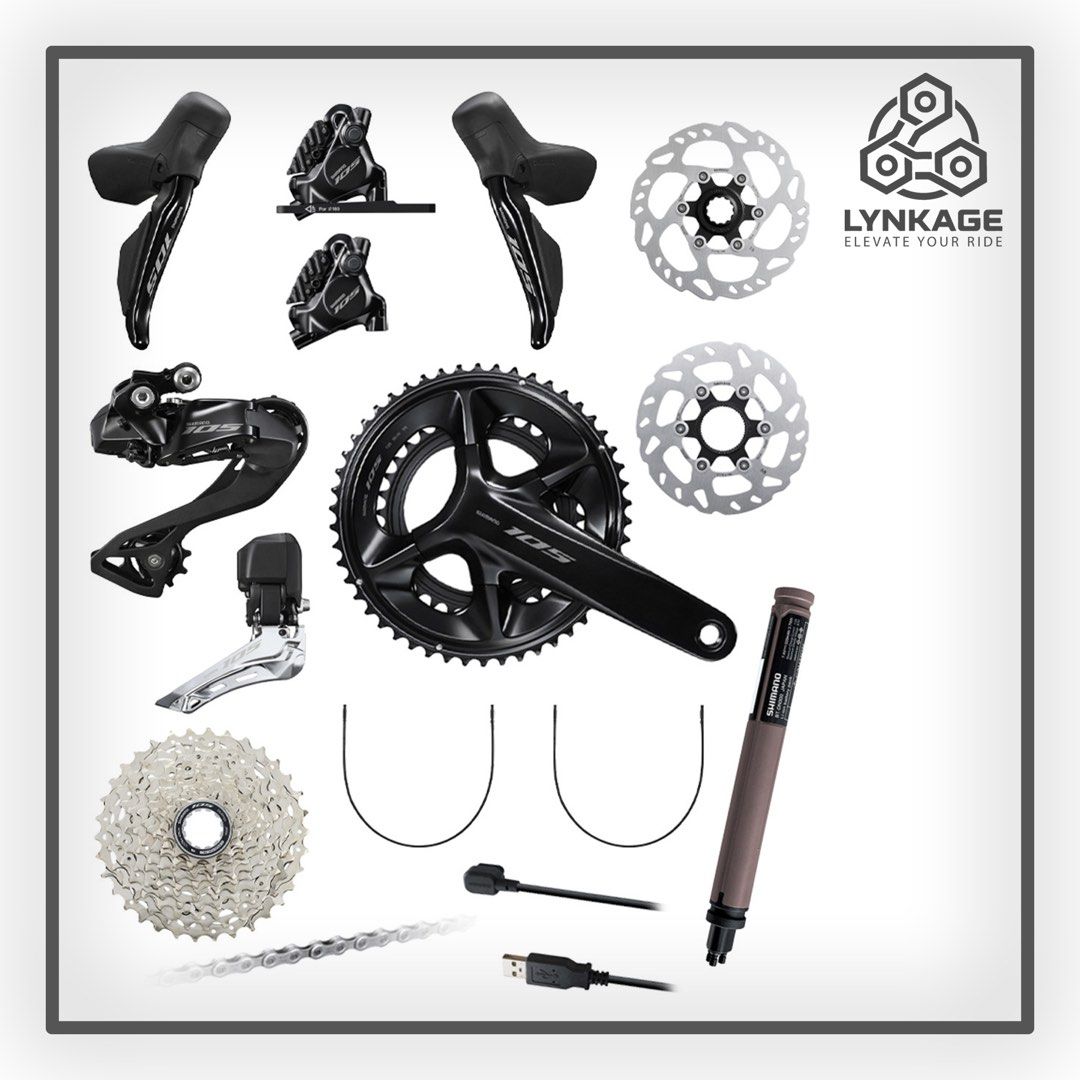
Shimano 105 Di2 R7170 12 speed Groupset
groupsets
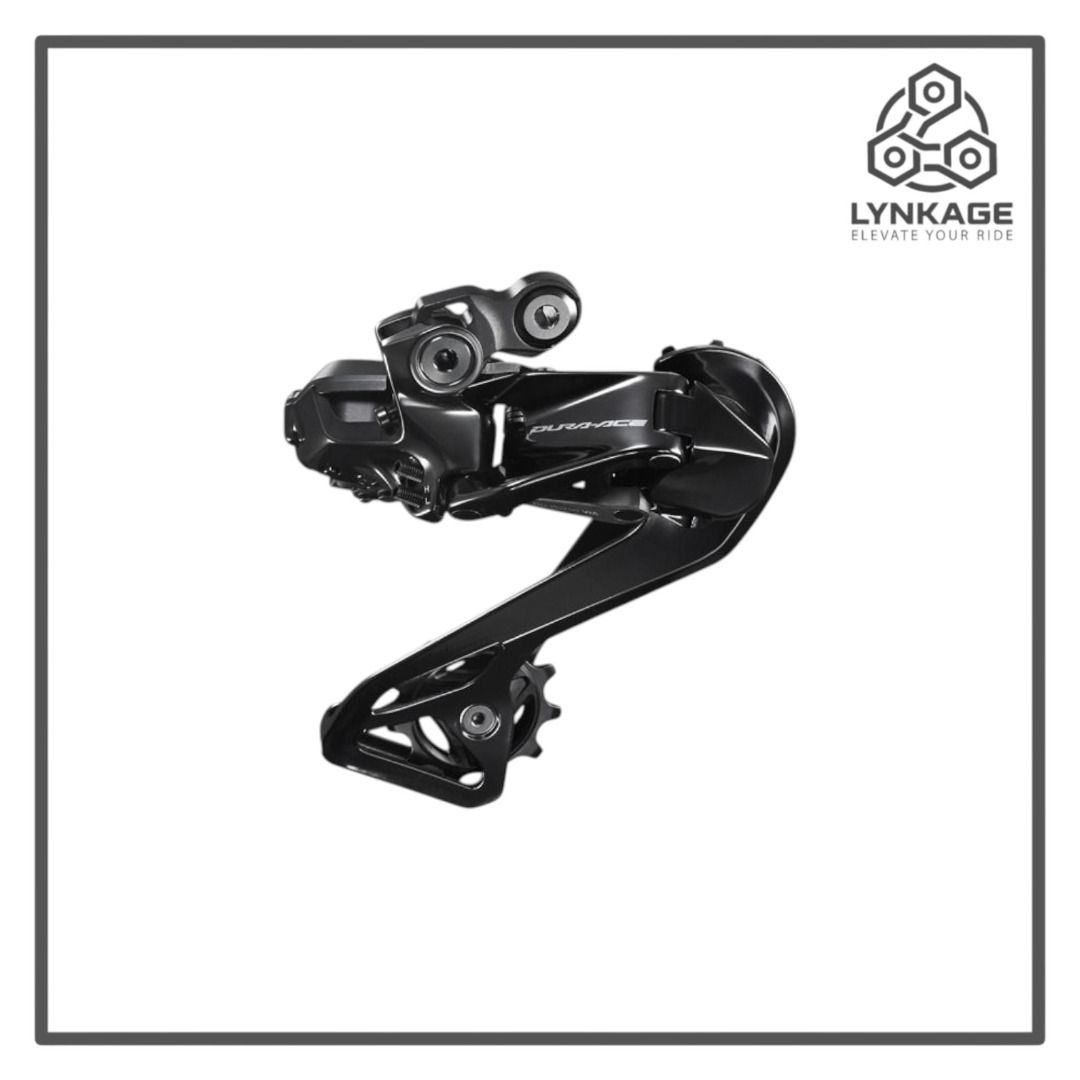
Shimano
Shimano Dura Ace R9270 Rear Derailleur RD
derailleurs
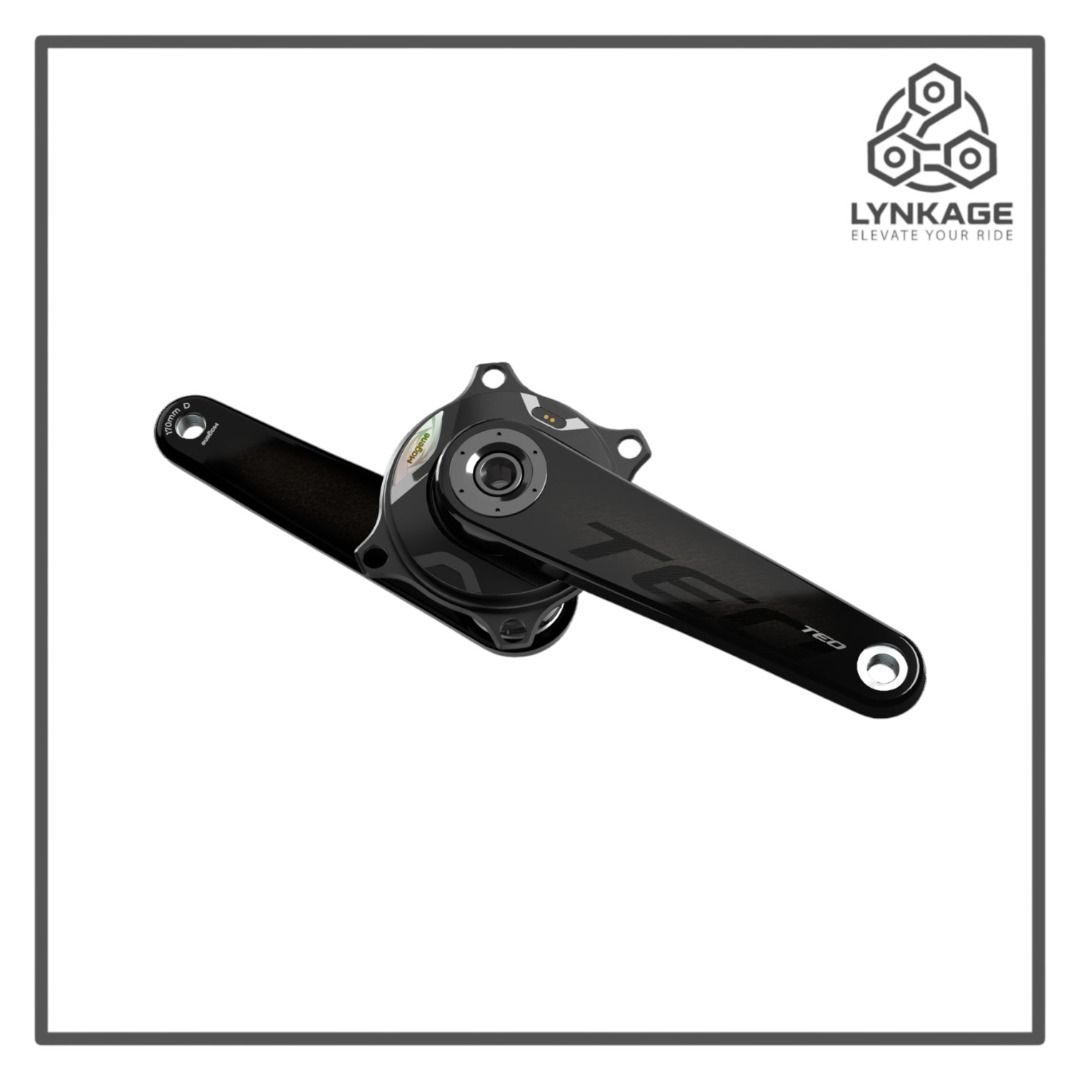
Magene
Magene TEO P515 Carbon Powermeter Crankset
cranksets
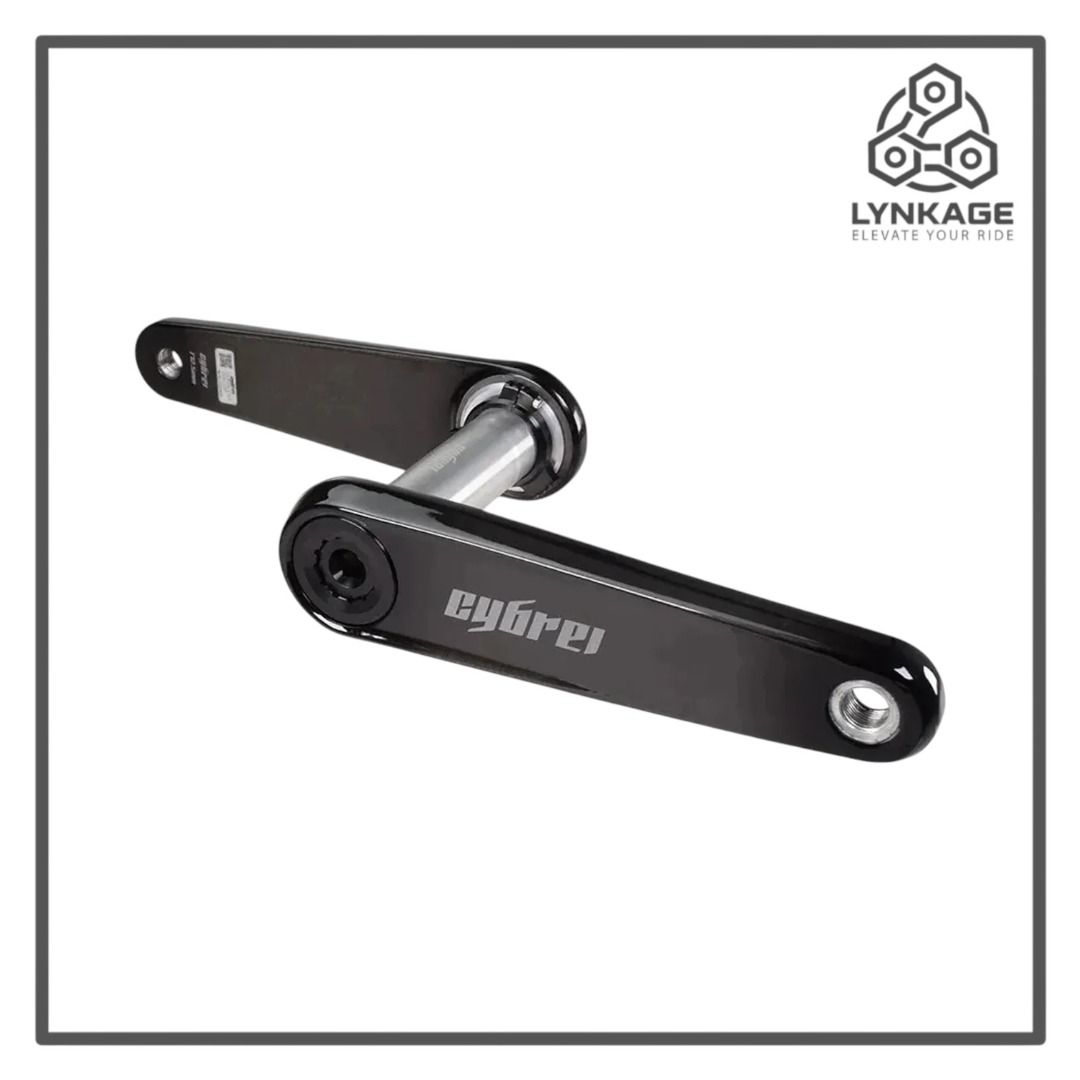
CYBREI
Cybrei GP-3 Carbon Crankarm Assembly
cranksets
Quickpro
Quickpro ER:One Carbon Aero Road Frameset
road-frames