
Cycling in tropical weather: heat, humidity, and rain
How to ride safely and comfortably in Singapore's heat and frequent rain — kit, hydration, and pacing.
Riding in tropical weather is one of the bigger adjustments cyclists from cooler climates have to make in Singapore. Even local riders need to manage heat, humidity, and rain carefully — they affect performance, equipment, and safety more than most riders initially appreciate.
This guide covers general principles. Individual heat tolerance varies; always listen to your body.
Heat and humidity
The combination of high heat and high humidity makes evaporative cooling less effective. You sweat a lot but cool less efficiently than in dry heat.
Practical implications:
- Effort feels harder for the same power output.
- Hydration needs are much higher than temperate-climate guidance suggests.
- Recovery from hard rides is longer.
- Acclimatisation takes 2–3 weeks if you're new to the climate.
Strategies:
- Ride early or late. Pre-7 am rides are dramatically more comfortable than mid-morning.
- Drink before you're thirsty. Add electrolytes for rides over an hour.
- Use lighter, more ventilated kit. White or pale colours help marginally.
- Slow your warmup. Hard efforts at the start of a hot ride hit harder than they would in cool weather.
Rain
Tropical rain is fast and heavy. A clear sky can become a downpour in 20 minutes.
Practical implications:
- Visibility drops sharply. Lights and bright kit matter even in daylight.
- Roads become more slippery, especially in the first 10–15 minutes of rain (oil + water mix).
- Braking distances increase. Especially with rim brakes.
- Mudguards are valuable for utility riders even though many sport riders don't use them.
Strategies:
- Have a Plan B route that gets you home faster from a downpour.
- Light rain jacket that packs small.
- Phone in a waterproof pouch.
- Wait it out if possible — most heavy rains pass within 30–60 minutes.
Dehydration and heat illness
Mild dehydration affects performance; severe dehydration is a medical emergency. Signs to take seriously: dizziness, nausea, stopping sweating, confusion.
If you feel any of these, stop, get to shade, drink, and ask for help if symptoms persist.
Equipment care in tropical climate
- Rinse your bike after wet rides — salt and grit accelerate wear.
- Keep the chain well-lubed but not over-lubed (attracts grit).
- Wipe down electronics (head unit, Di2/AXS components) after rain.
- Watch bearings — humidity is hard on cup-and-cone hubs and bottom brackets.
- See our tropical maintenance guide for more detail.
Common mistakes
- Underestimating how much water you need. First-time tropical riders routinely under-drink.
- Overdressing. Less kit, more sun protection.
- Pushing through symptoms. Heat illness is a real risk.
Browse our hydration and kit or come in for advice on tropical-climate setups.
Shop the products mentioned
View all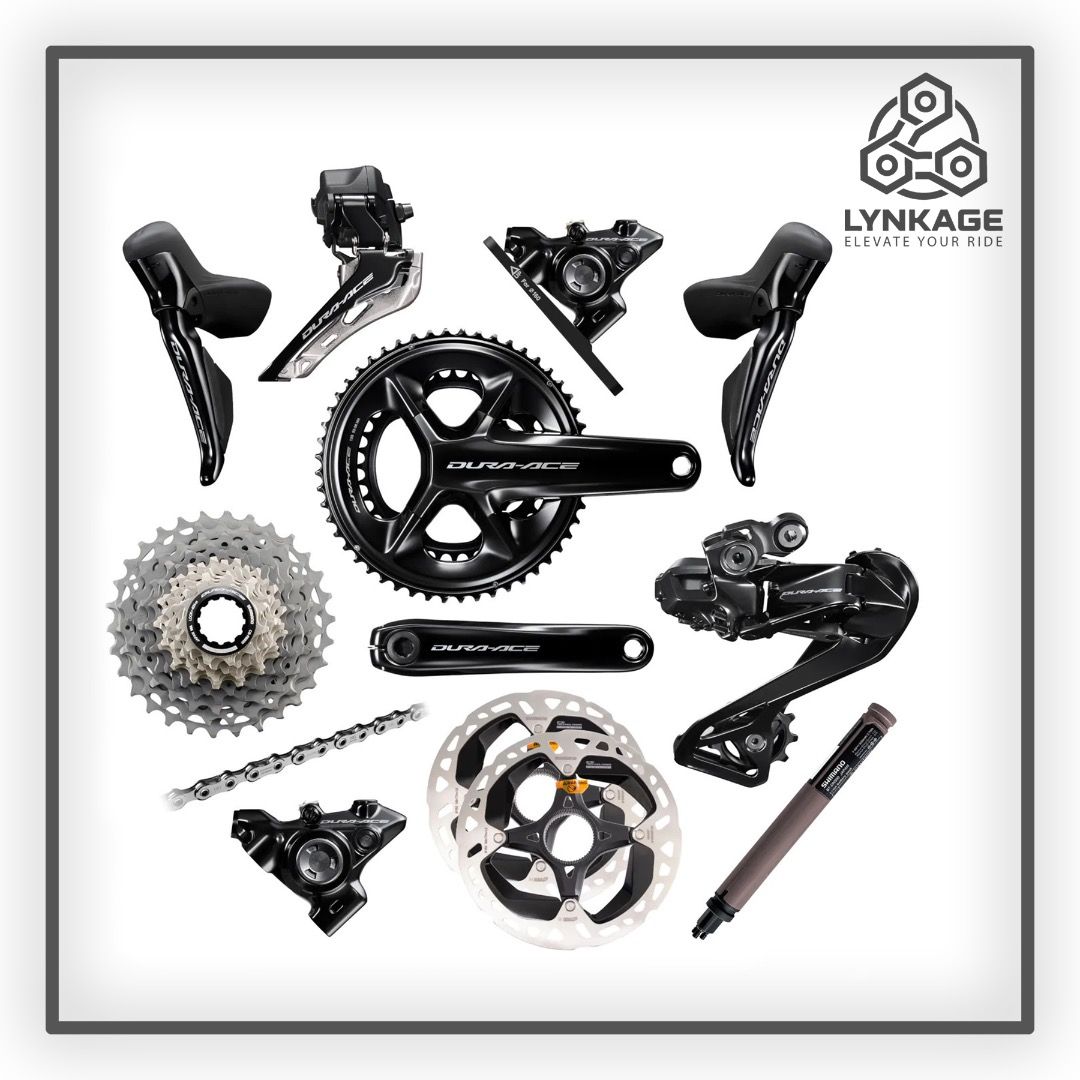
Shimano
Shimano Dura Ace R9270 di2 12 speed groupset
groupsets
Shimano
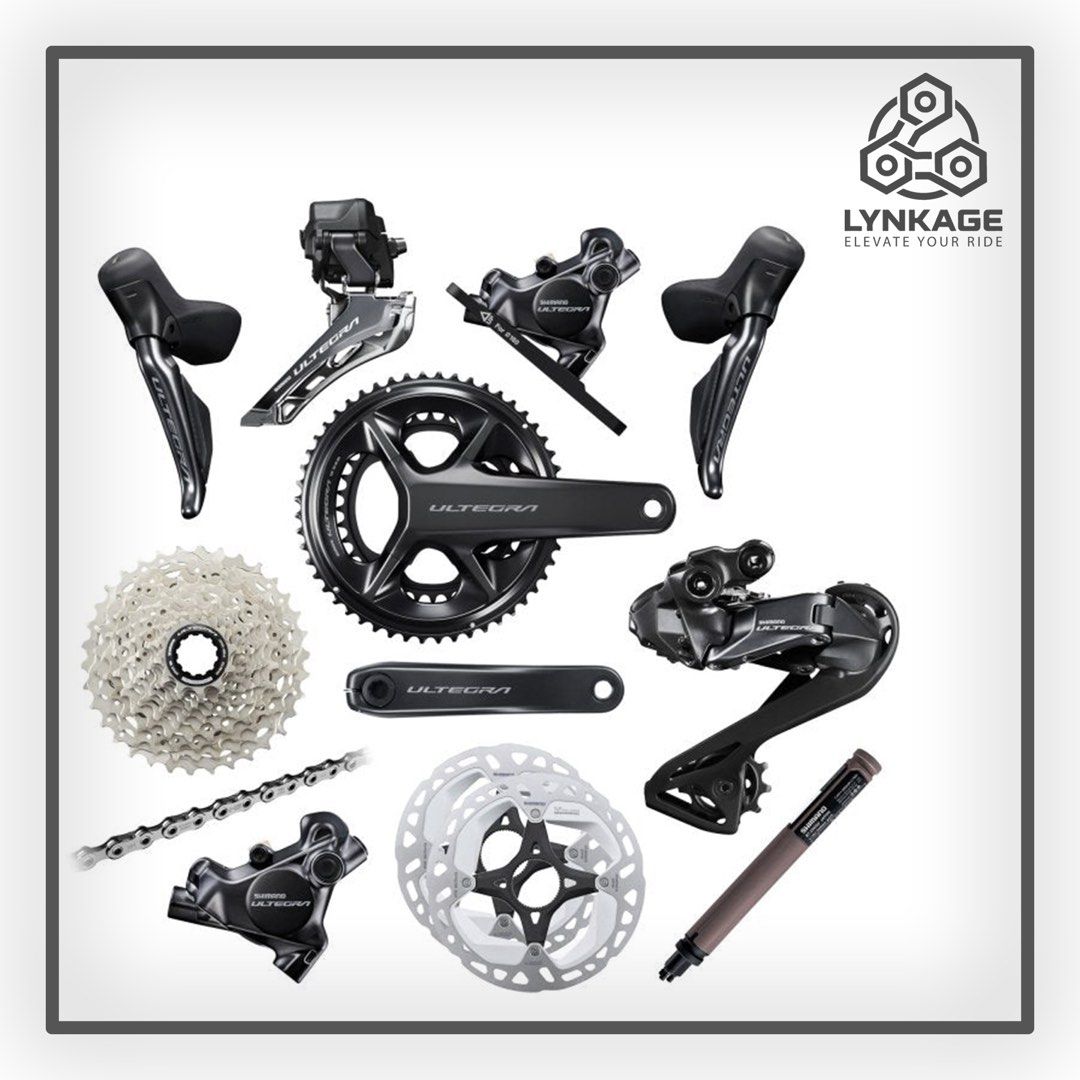
Shimano Ultegra R8170 12 speed di2 groupset
groupsets
Shimano
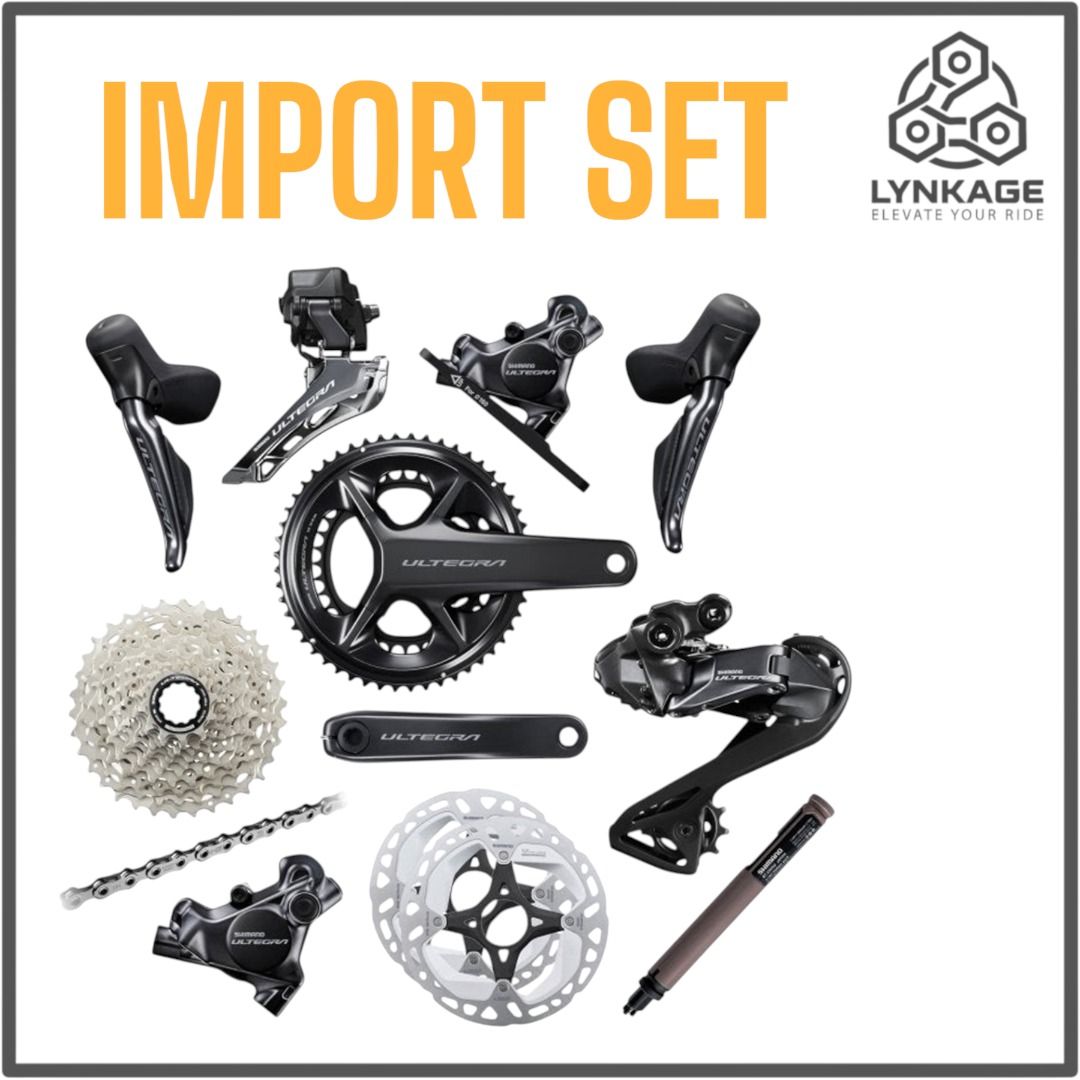
Shimano Ultegra R8170 12 speed di2 groupset
groupsets
Shimano
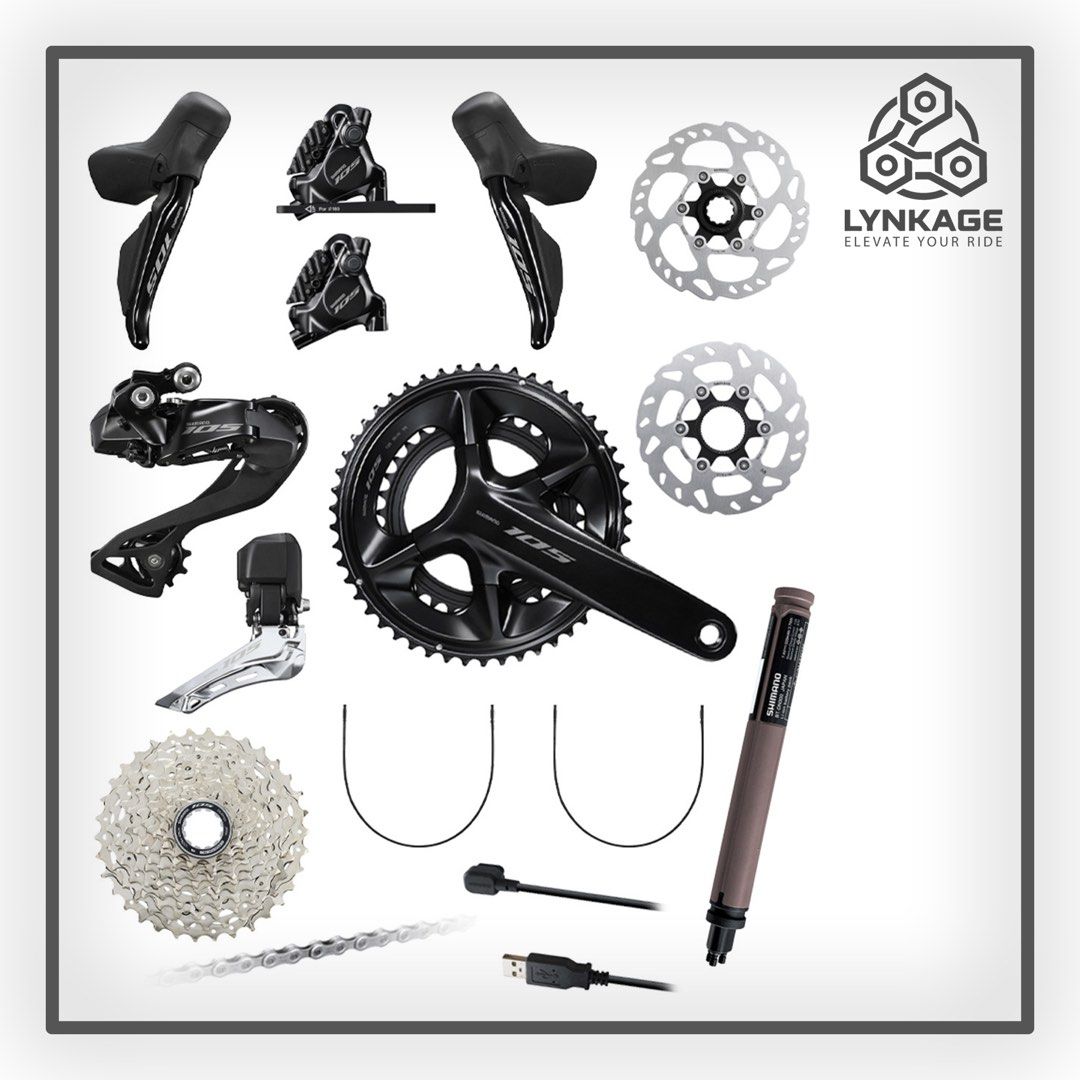
Shimano 105 Di2 R7170 12 speed Groupset
groupsets
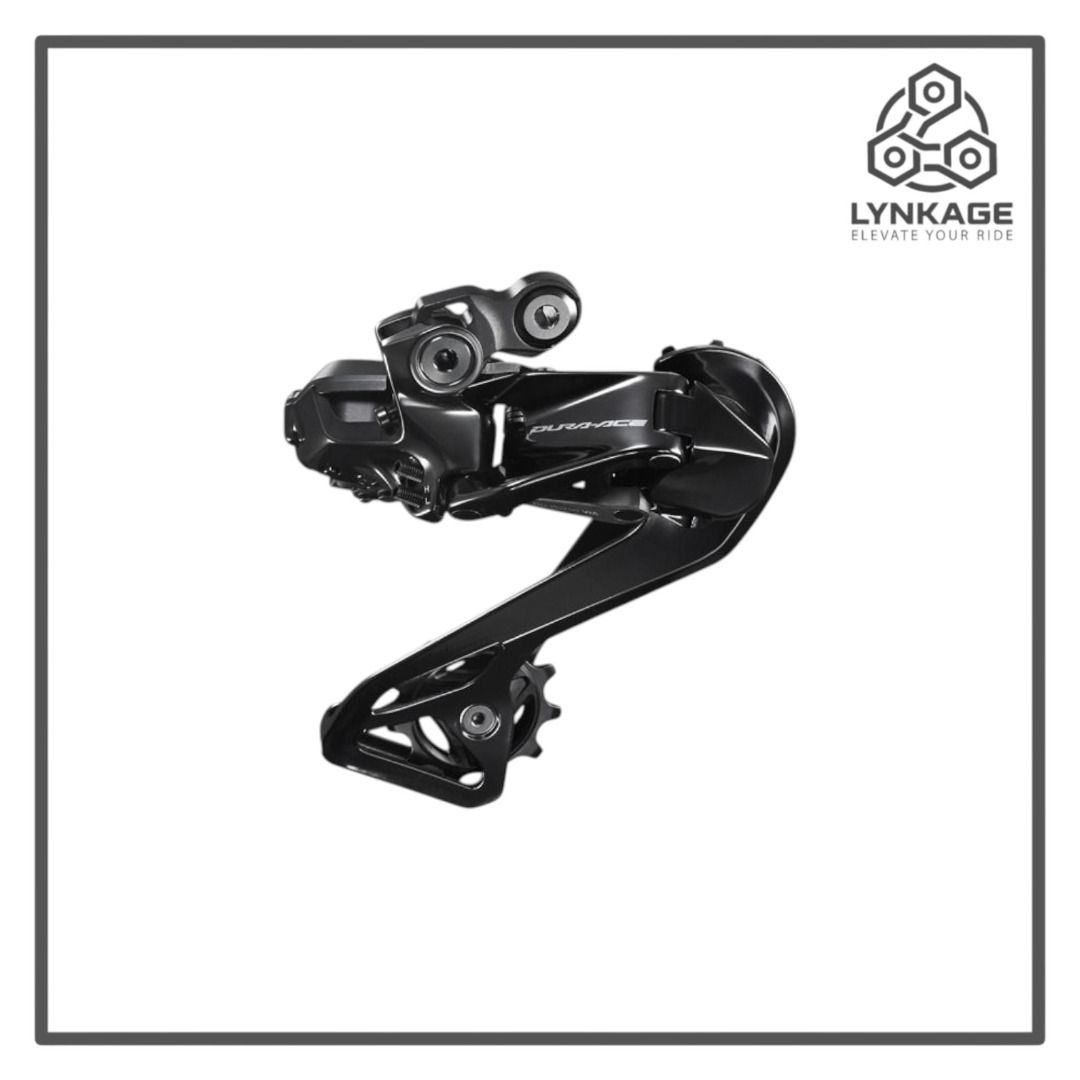
Shimano
Shimano Dura Ace R9270 Rear Derailleur RD
derailleurs
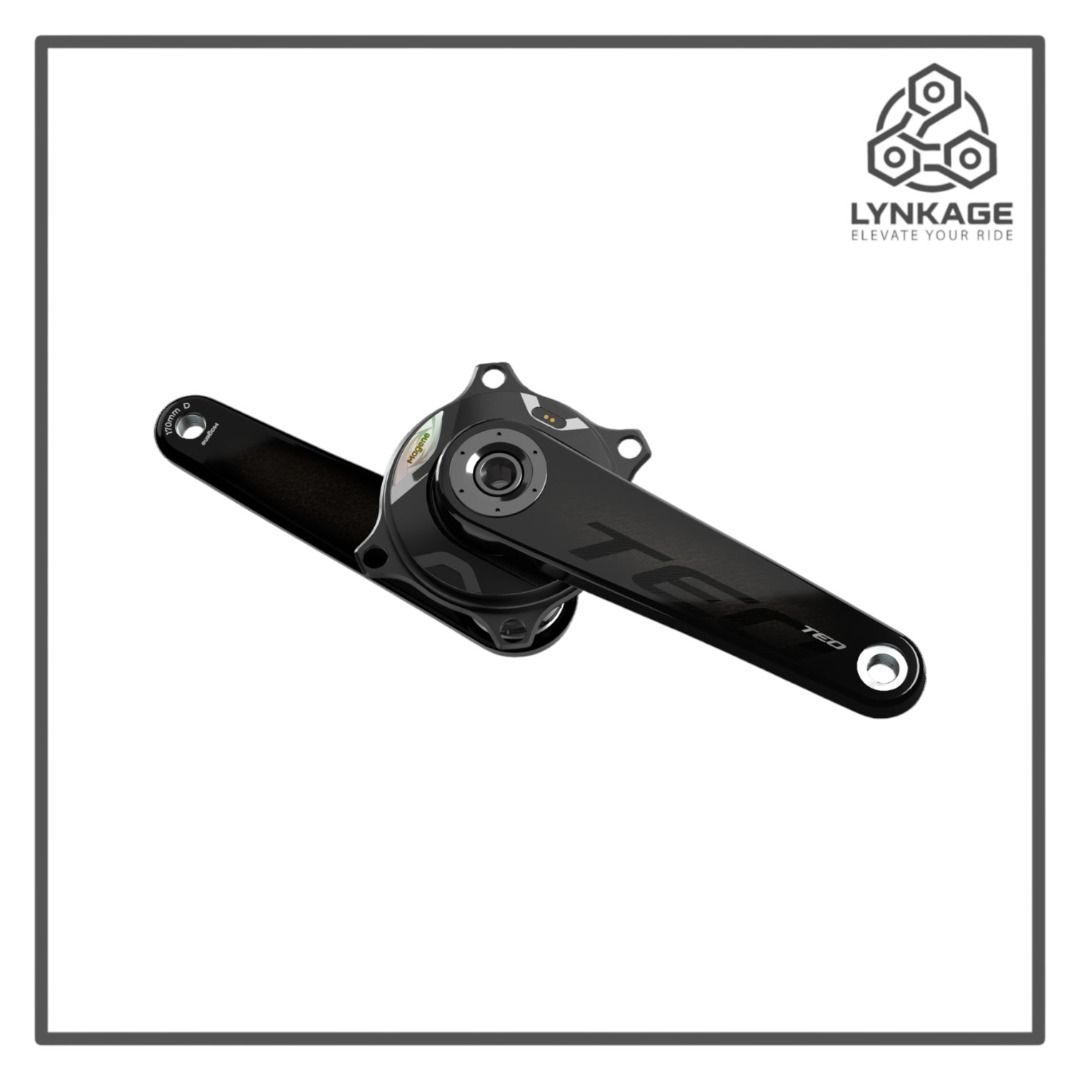
Magene
Magene TEO P515 Carbon Powermeter Crankset
cranksets
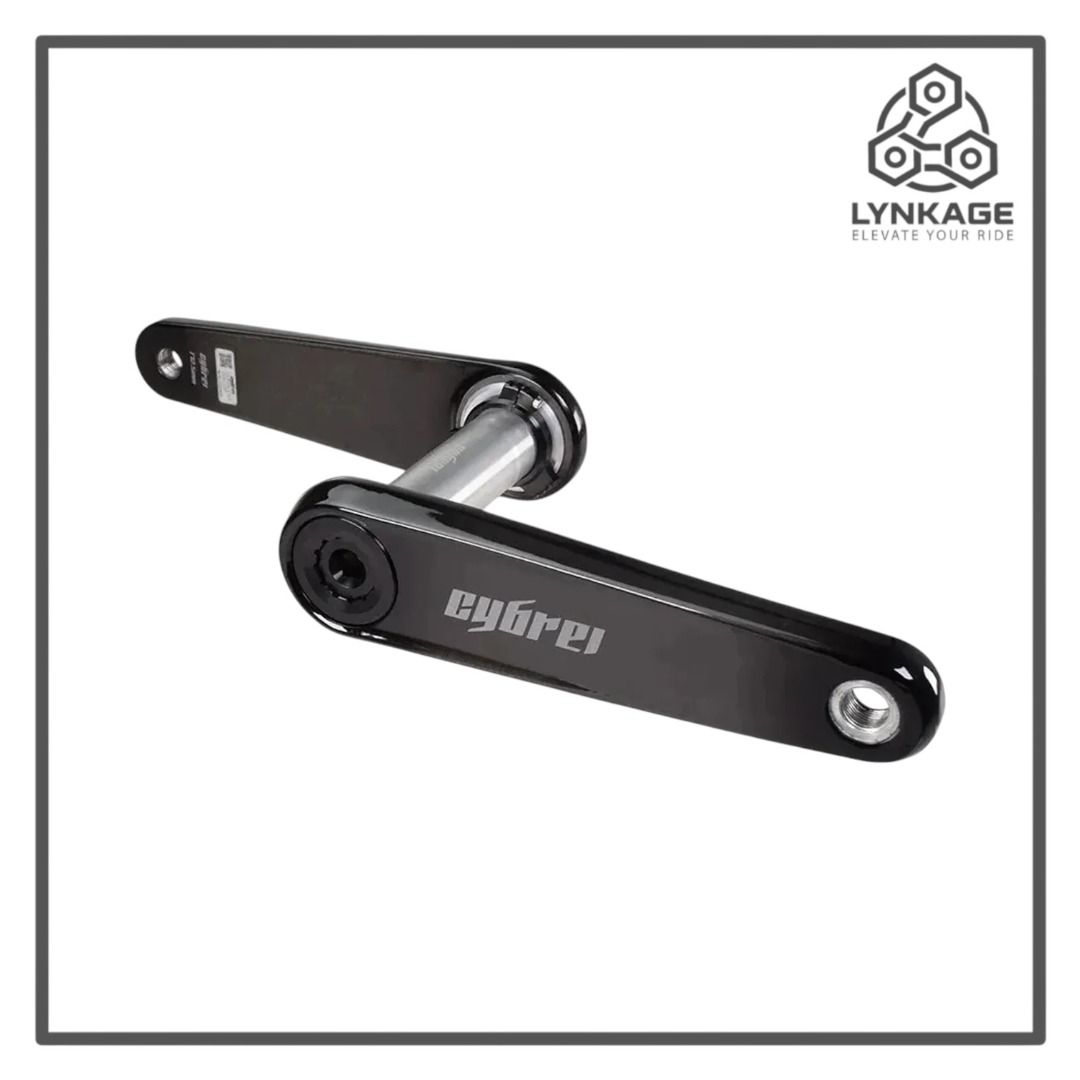
CYBREI
Cybrei GP-3 Carbon Crankarm Assembly
cranksets
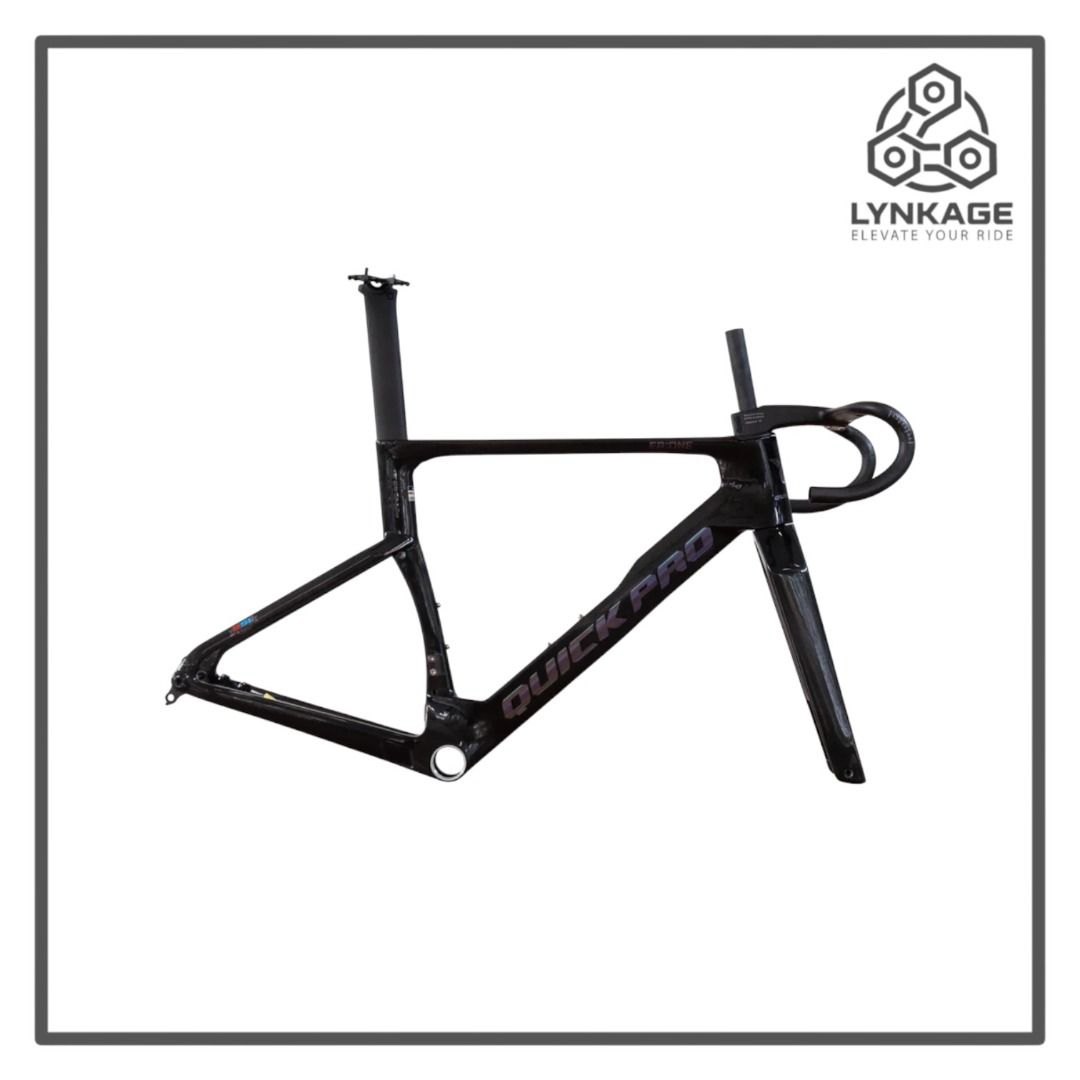
Quickpro
Quickpro ER:One Carbon Aero Road Frameset
road-frames
Related guides
Cycling in Singapore: a getting-started overview
A general overview of riding in Singapore — terrain, climate, common bike types, and how to begin.
Road cycling routes in Singapore: a general overview
A high-level look at the main road cycling areas in Singapore — Mandai, Coastal, Western, and Eastern loops.
Bike commuting in Singapore: what to know
A practical overview of cycling to work in Singapore — bike type, route planning, weather, and end-of-trip facilities.
Choosing a bike for Singapore
Singapore's flat terrain, shared paths, hot climate, and HDB storage shape what bikes work well here. A general overview.